
Exploring Caregiver Certification and Licensing Standards
Ensuring that you or a loved one receives reliable, compassionate, and skillful in-home assistance is paramount. One of the most common questions people ask is whether caregivers must meet certification and licensing standards. In many jurisdictions, the laws and regulations vary depending on the scope of care provided, and it can feel overwhelming trying to understand these requirements. Yet, knowing how caregiver certification works can help bring peace of mind during what can be an emotional and complex decision-making process.
Why Certification and Licensing Matter
Certification and licensing standards exist to ensure client safety, uphold dignity, and maintain consistent quality across the home care industry. Many families seek in-home caregivers for support with tasks such as personal care, medication reminders, transferring or mobility assistance, and housekeeping. Because these services are often integral to well-being and day-to-day functioning, caregivers are sometimes expected to demonstrate foundational knowledge and hands-on skills through recognized trainings.
While some positions may not require a formal license—for instance, certain roles offering companionship or light housekeeping—other roles do. For example, Licensed Practical Nurses (LPNs), Registered Nurses (RNs), and certain Allied Health professionals obviously must hold current, valid credentials. In contrast, uncertified caregivers, sometimes referred to as personal support aides or home support staff, can still be required by their agency or province to pursue training programs and meet other professional guidelines. Understanding that there is a system of checks and balances to protect before, during, and after someone begins working in a client’s home can help families select a reliable provider.
Types of Caregiver Credentials
Because caregiver roles differ, there are multiple potential credentials to look out for. Here are a few examples:
- Personal Support Worker (PSW) or Health Care Aide (HCA): Some provinces require completion of a standardized training program and set a requirement to meet continuing education guidelines. These roles often cover hands-on daily living support, such as bathing, dressing, and mobility assistance.
- Licensed Practical Nurse (LPN): LPNs complete specialized post-secondary training and must pass a licensing exam. Continuing education is mandatory to keep their license in good standing. LPNs can handle more complex duties than unlicensed caregivers, such as administering certain medications under guidelines, performing wound care, and monitoring vital signs.
- Registered Nurse (RN): If a client needs advanced medical assistance or more detailed oversight, an RN can provide comprehensive nursing support, including care planning, complex medication administration, and overall clinical supervision. RNs are required to complete an approved nursing program and pass rigorous licensure exams.
- Certified Nursing Assistant (CNA): Titles vary across regions—for example, the role might be referred to as a Nursing Aide. Generally, CNAs must complete a program that covers nursing basics and pass an exam. Their duties often include personal hygiene assistance, monitoring health indicators, and providing companionship.
Although caretakers with these credentials typically have standardized training in areas such as infection control, client safety, and handling emergencies, additional or ongoing training may be required depending on the employer or regulatory board.
The Role of Accreditation and Agency Policies
Beyond the credentialing of individual caregivers, the standards and accreditation of a home care agency can also speak volumes about the quality of service. In many cases, accredited agencies voluntarily comply with best practices and meet certain levels of excellence to maintain their accredited status. This often involves performing background checks on new hires, verifying their references, confirming any required certifications, and conducting regular performance evaluations once caregivers are on the team.
Infinity Healthcare, for example, maintains a thorough onboarding process that includes criminal record checks, personality and compassion assessments, and reference verifications. This helps ensure care is delivered by people who are not only trained in safe care practices but also demonstrate empathy, patience, and genuine respect for each person they serve. Because each client has unique needs—even those that appear similar at first—the agency invests in continuous education for every caregiver. Topics often include fall prevention, safe medication management, and effective communication skills. When seeking an organization to provide consistent, reliable in-home support, it’s wise to ask about these policies and how the agency enforces them over time.
Required vs. Voluntary Certifications
The rules around certifications can differ from one region or agency to another. In certain jurisdictions, a caregiver who assists with bathing, feeding, or dressing may need home support worker training, while in others, a general orientation might suffice for simpler services like housekeeping and companionship. Voluntary certifications, such as specialized dementia care training, often reflect a caregiver’s added experience and dedication. While these specialized courses go beyond the minimum needed to become a caregiver, they can be valuable for families seeking support for individuals living with Alzheimer’s, dementia, or other cognitive conditions.
It is important to note that many agencies have internal requirements exceeding local regulations. This is often done to preserve a strong reputation and deliver consistently high-quality care. Providers committed to professional development might encourage caregivers to pursue further learning and remain informed about evolving best practices in the industry.
Fundamentals of Comprehensive Training
Even if a caregiver isn’t a licensed medical professional, certain core skills and knowledge areas are important for home support:
- Basic First Aid: Having the ability to handle minor injuries and identify more serious emergencies can make a big difference in a home setting. Recognizing symptoms of conditions like low blood sugar or signs of a stroke can help protect a client’s well-being.
- Infection Control: Correctly using hand hygiene and identifying when to use protective equipment, like gloves, is essential in preventing illness—especially in households with older adults and immunocompromised persons.
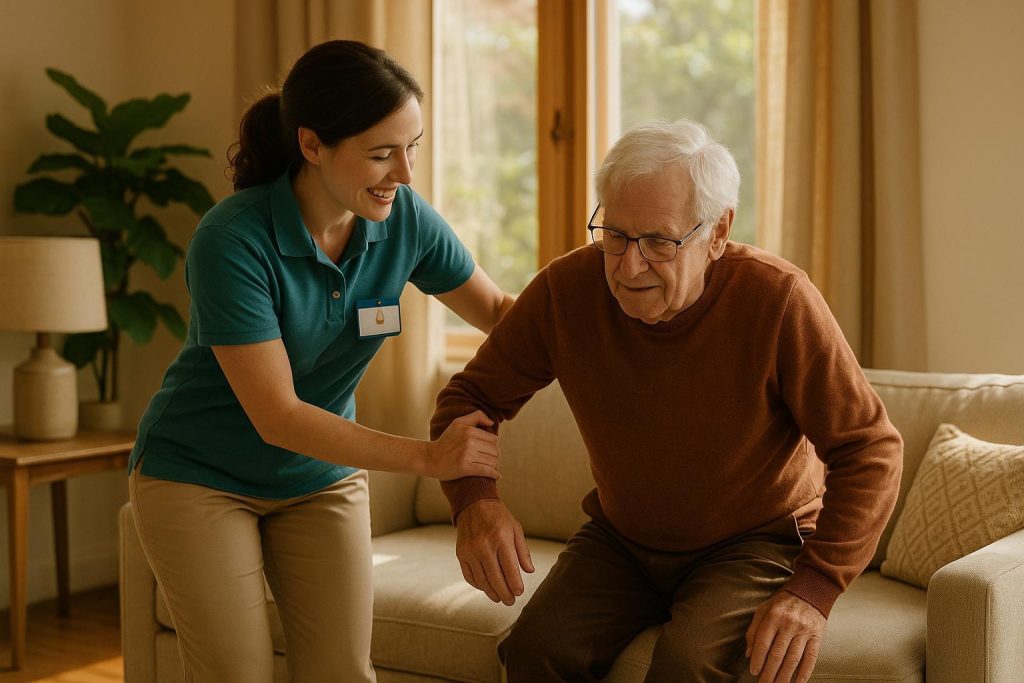
- Mobility and Transfer Techniques: Ensuring safe movement and reducing fall risks through proper body mechanics. Caregivers equipped with these techniques can minimize strain not only on themselves but also on the client, promoting a safer environment overall.
- Nutrition and Meal Preparation: A trained caregiver understands how to prepare balanced meals that align with medical guidelines or dietary preferences.
- Communication and Compassion: Some might consider these “soft skills,” but respectfully listening to clients and their families is central to delivering dignified care. Empathy can greatly impact an individual’s emotional comfort when receiving assistance in personal activities of daily living.
When exploring your options for in-home support, ask any potential provider how they handle training in each of these areas. Doing so not only helps you gauge their overall quality but also ensures your comfort as you entrust someone to provide essential services for you or your loved one.
Upholding Dignity and Independence Through Quality Standards
Feeling confident in the caliber of care provided goes beyond checking off credentials. It’s about ensuring caregivers deliver support in ways that preserve the client’s dignity and independence. By partnering with an organization that invests time and attention in verifying each caregiver’s skill set and character, individuals can feel more at ease continuing their lifestyle at home. This peace of mind is essential, particularly for older adults who wish to “Age Out Loud”—living on their own terms while receiving respectful assistance with daily tasks.
Accredited agencies often develop teams to mentor new caregivers. By pairing an experienced staff member with someone newly trained, or newly hired, these organizations can nurture consistency and confidence. This approach sets a tone of continuous professional development and underscores the importance of upholding the highest possible standards. Quality standards, therefore, act as a protective net for everyone involved—families, the individuals receiving care, and the caregivers themselves—by ensuring guidelines governing safety, ethics, and procedural best practices remain firm and up-to-date.
How Agencies Support Specialized Care Needs
If you have a family member who needs advanced support—such as nursing care for ongoing medical conditions—finding an agency that can provide skilled nurses or link you to those services is crucial. Registered Nurses or Licensed Practical Nurses are typically responsible for tasks that go beyond the usual scope of a personal support aide, such as wound management or complex medication oversight. Infinity Healthcare, for instance, offers Nursing Care services for clients across different health circumstances, ensuring that each individual can remain at home with the right balance of skilled and personal assistance.
Additionally, certain client populations may require more specific caregiver training. Families receiving Family Support for Children with Disabilities (FSCD) often look for caregivers who can understand and comply with unique routines, therapies, or behavioral guidelines. In these cases, caregivers might pursue extra certifications or orientation modules to gain the relevant expertise. For example, agencies like Infinity Healthcare also provide FSCD Care to meet the diverse needs of families in the community, indicating a commitment to specialized credentialing when necessary.
Questions to Ask When Choosing an Agency
Researching various service providers can be a bit daunting, especially if you’re new to home care options. To help simplify the process, consider asking these questions:
- What credentials must your caregivers hold? Understanding baseline qualifications helps set expectations. Do they hire HCAs, LPNs, or RNs? This can affect the level of support the agency is equipped to provide.
- Are you an accredited organization? Reputable agencies often take part in accreditation processes, ensuring high service quality and adherence to recognized standards.
- Do you run background checks and reference verifications? Confidence in a caregiver begins with trust, so it is essential to confirm the agency’s due diligence processes.
- What ongoing training do you provide for caregivers? Because best practices evolve, an organization committed to continuing education signifies that they keep pace with developments in senior care, personal care, and home support.
- How do you handle specialized requirements? If your loved one has specific conditions, ask if the caregiver receives thorough training to accommodate those needs, such as for dementia, mobility limitations, or children’s care.
Asking these questions can give you a clearer view of how an agency invests in its people and its clients, helping you gain peace of mind when inviting someone into your home.
Ensuring Longevity and Reliability of Care
Beyond initial hiring standards, it’s also important to explore how an agency supervises its caregivers over time. Some home care providers implement regular performance reviews and check-ins with clients to measure satisfaction and identify any needed improvements. This ongoing oversight is especially vital for families seeking consistent, reliable in-home support over the long term. Methods can include unannounced home visit evaluations, client surveys, and caregiver mentorship programs. Agencies that prioritize accountability, strong communication, and continuous professional development are more likely to offer a positive experience that stands the test of time.
Additionally, caregivers may face burnout if they are not thoroughly supported, particularly if they serve in high-demand settings or care for individuals with complex needs. When agencies invest in manageable schedules, debriefing sessions, and mental health resources, they help keep caregivers engaged and motivated. This not only encourages longevity in employment but often translates to improved client satisfaction as well. When you speak with a provider, it is worthwhile to ask how they support their caregivers’ well-being. In the long run, a well-supported caregiver is more likely to provide consistent, compassionate care.
Empowering Families to Make Confident Choices
Partnering with the right home care provider can transform stress and uncertainty into a sense of security. One of the greatest sources of anxiety when seeking care is the fear of inadequate support or the potential for negative outcomes. By asking informed questions about caregiver certifications, agency accreditation, and ongoing training, you can feel considerably more confident in your decision. Moreover, a trustworthy organization will acknowledge your concerns and be transparent about their policies and processes.
At times, individuals might feel hesitant to ask too many questions, worried about sounding critical. However, reputable providers encourage active curiosity; they know that family members who understand the ins and outs of care are better equipped to partner with caregivers for a successful outcome. If you or a loved one is exploring options, don’t shy away from discussing each potential caregiver’s experience, background, and approach to delivering assistance with dignity and respect.
Moving Forward with the Right Fit
Identifying clear caregiver certification and licensing requirements can help you select an agency that supports your well-being, independence, and comfort at home. This is often more than simply verifying a list of qualifications; it’s about establishing a relationship built on trust and partnership. As you compare different providers, look for those that emphasize caregiver integrity, thorough screenings, and a dedication to ongoing improvement. These qualities lay the foundation for a strong, supportive connection that brings genuine peace of mind.
Should you wish to learn more or speak to a professional care provider about your unique in-home needs, consider exploring Infinity Healthcare’s services or reaching out directly. Whether you need assistance with Personal Care, Respite Care, or comprehensive in-home Home Care, working with a trusted and accredited team can make all the difference in ensuring a safe, dignified, and fulfilling life at home.
Ultimately, by focusing on both formal credentials and personal qualities such as empathy and dependability, caregivers can deliver support that truly honors every individual’s personal choice and autonomy. Knowing that standards and certifications exist to protect you and your loved ones can reduce the stress associated with inviting someone into your life. Quality home care means more than just meeting minimum requirements—it means fostering an environment where people can flourish, remain connected, and age on their own terms.

