
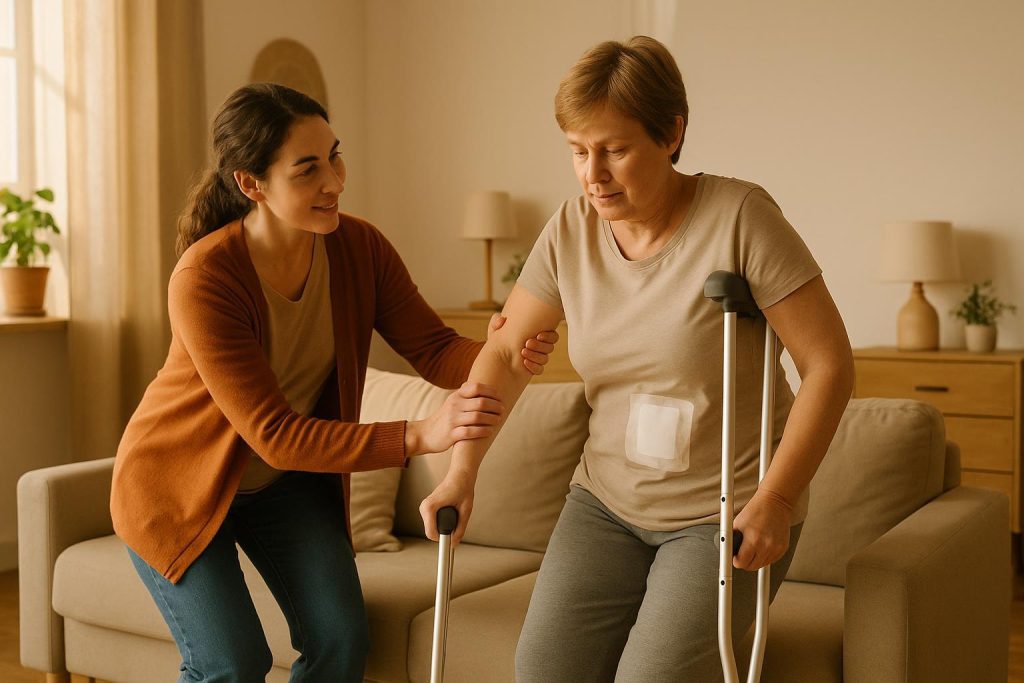
Embracing Support for a Smoother Surgery Recovery
Recovering from surgery can feel overwhelming, especially when you realize how much help you may need in the days and weeks that follow. While many people look forward to getting back on their feet as soon as possible, the reality is that certain post-operative tasks—from changing bandages to cooking meals—can prove challenging when you are dealing with soreness, restricted mobility, or lingering fatigue. In many cases, having someone there to take care of you after surgery is not just a convenience; it can be a crucial step toward a faster, safer, and more comfortable recovery.
Understanding the Importance of Post-Surgical Care
Surgery often puts considerable stress on the body. Even if the procedure was relatively minor, your energy levels and mobility may be limited for several days. Lengthier or more invasive procedures—even outpatient ones—can require many weeks of thoughtful recovery strategies at home. During this period, daily tasks that once felt simple, such as showering or preparing a snack, might become strenuous. Taking time to plan for proper support and personalized care following surgery helps you avoid overexertion and reduces the risk of complications like infections or accidental falls.
For individuals who live alone, post-surgery challenges may be even more pronounced. You may find it difficult to manage transportation to follow-up appointments. Family members, though caring, can sometimes be stretched thin by work responsibilities or their own obligations as caregivers for another loved one. Bringing a trusted, trained caregiver into the home ensures that you have consistent, reliable support, promoting peace of mind for you and your family.
Daily Activities That May Require Assistance
When you think about recovering from surgery, you might focus solely on rest and medication. However, as you work on getting better, there are many everyday responsibilities that can suddenly become more difficult than you anticipated. Here are some common ways that a caregiver or supportive friend can help:
- Personal Hygiene and Dressing: Bathing, grooming, and putting on clothes can become labor-intensive if you have stitches, bandages, or restricted mobility. Having someone to assist you ensures safety, maintains dignity, and frees energy to put toward healing.
- Meal Preparation: Proper nutrition is vital to a healthy recovery, so you will need balanced meals and snacks. If cooking feels exhausting or risky after surgery—especially when it comes to standing for long periods or lifting heavy cookware—a caregiver can handle meal prep and clean-up.
- Medication Management: Post-operative instructions might involve multiple types of medication on different schedules. Keeping track of dosages on your own can be overwhelming, especially if you are feeling groggy or dealing with pain. A caregiver can offer gentle reminders and help ensure no doses are missed.
- Light Housekeeping: Basic chores like sweeping floors, washing dishes, and doing laundry can be surprisingly tiring when you are on the mend. A short-term in-home care extension, like Home Support, may remove that worry by handling basic household upkeeps.
- Transportation: Driving yourself to the hospital or clinic can be unsafe if you are experiencing pain or are on certain medications. Relying on a caregiver or professional service means you do not miss important follow-up appointments type, lab tests, or therapy sessions.
Physical and Emotional Benefits of Having a Caregiver
Support after surgery goes beyond house chores and meal prep: it also helps address the emotional aspect of recovery. Healing can be a stressful time, especially if you are nervous about your progress or feeling isolated. Having a caring presence at home can alleviate loneliness, provide companionship, and encourage positive thinking. Rather than waiting alone for your incision site to heal, you have someone to talk with about concerns or share moments of encouragement. Such social engagement is linked to faster recuperation and higher overall well-being.
On the physical side, in-home caregivers or professional care aides often have specific knowledge about safe mobility practices. They may remind you to use your walker, brace, or other assistive devices, reducing the likelihood of re-injury. They can also help guide gentle range-of-motion exercises if recommended by your healthcare provider. This combination of emotional support and physical assistance contributes to a holistic recovery experience that addresses both your mental and bodily needs.
Reducing Risks and Complications
One of the biggest advantages of post-surgery help is lowering the chances of complications. Recovering alone might tempt you to skip important tasks—like keeping an eye on your incision site or consistently adjusting your posture—to manage swelling or fluid buildup. Alternatively, you may try to do too much too soon. When you have someone to take care of you after surgery, consistent observation of symptoms becomes feasible. A trusted caregiver may catch signs of infection early (such as redness, swelling, or an unexpected fever) and alert a healthcare professional promptly.
Additionally, caregivers who are knowledgeable in Personal Care can handle specialized needs such as wound care, mobility assistance, and customized exercise regimens that are part of your doctor’s recovery plan. Even if you need only mild support, a watchful presence can be the difference between a minor issue and a major setback. Even short-term help for a few weeks can speed overall recovery and help you return to normal routines safely.
Coordination with Healthcare Providers
After surgery, you may be seeing multiple healthcare professionals, including surgeons, physical therapists, and possibly a registered nurse for follow-up visits or checkups in your home. Trying to juggle medication regimens, follow-up appointments, and therapy sessions can be daunting. A caregiver or home health aide can help you make sense of all these different instructions and build them into a realistic daily schedule.
Professional in-home caregivers often act as a bridge to your wider medical team. They can report changes in symptoms and progress, ensuring any emerging issues receive timely attention. This open communication not only streamlines your care but also makes it less overwhelming, giving you time and space to focus on healing big-picture concerns rather than agonizing over daily logistics. By assisting with these connections, your caregiver helps ensure you are fully supported during this vulnerable period of recovery.
Support for Family and Friends
Though you may have an extensive network of loving family members and friends, your post-surgery needs can be more extensive than you or they anticipate. Loved ones may feel ill-equipped to provide certain types of personal support—like help with bathing—or they simply may not have the time to be fully present around their own jobs and families. Bringing in Respite Care services or a dedicated personal care professional can ease the burden on everyone else. This approach fosters a better balance, allowing friends and family to offer companionship and emotional support without becoming overwhelmed by healthcare tasks.
Instead of placing all responsibilities on close relatives, you can preserve positive social connections by letting a professional caretaker handle more delicate or laborious tasks. Your loved ones can visit to chat, share a meal, or accompany you to medical follow-ups, but they are relieved of the pressure to also function as a full-time nurse, housekeeper, or chauffeur. For healing individuals, a more structured home environment can reduce conflicts, sustain your dignity, and ensure consistent quality care.
What to Look for in Post-Surgery Care
Finding the right caregiver or service to support your recovery means identifying the specific qualities that make you feel comfortable and confident. Here are a few characteristics to consider:
- Experience and Training: Look for a provider with staff members who have proven expertise in assisting individuals post-surgery. Those who are trained in home support can handle tasks like medication reminders, safe mobility practices, and appropriate cleaning to reduce infection risks.
- Flexible Scheduling: Recovery does not follow a predictable timetable, so it helps to choose a resource with the flexibility to accommodate unexpected needs or changes in your healing process. You might need 24-hour support initially, then transition to fewer hours as you regain strength.
- Reputable and Accredited Services: Working with an accredited home care provider that focuses on personalized care can be a significant relief. They are often monitored by external agencies or associations that uphold quality standards.
- Personalized Approach: Everyone’s post-surgery journey looks different. Ensure the caregiver or agency is prepared to tailor their services around your unique preferences, routines, and goals.
- Compassionate Communication: Beyond training and skill, warmth and empathy go a long way. A supportive home care professional can set you at ease by treating you with dignity and respect during one of your most vulnerable times.
Seeking Specialized Assistance
While many surgical recoveries share similarities, certain circumstances can call for more specialized support. For example, if you have children with disabilities or your loved one’s procedure involves advanced healthcare needs, a service like FSCD Care or Nursing Care may be particularly beneficial. These specialized services can address a higher level of medical oversight, keep close tabs on wound healing, and coordinate with your doctor to manage complex post-operative protocols. Ensuring that you get the right level of assistance can transform a stressful and uncertain process into a more manageable, comfortable experience.
Individuals who anticipate a challenging recovery period—such as those who undergo major joint replacements, cardiac procedures, or surgeries involving pre-existing conditions—can also benefit from exploring professional care options. By having a skilled caregiver on-site to perform necessary support tasks, you reduce your chances of re-hospitalization, which can happen if you are unable to manage post-surgery instructions or if you experience complications without timely intervention.
Long-Term Well-Being and Empowered Living
A period of post-surgery care can have lasting benefits on how you manage your overall well-being. For many individuals, surgery represents a turning point—a chance to address ongoing health issues and adopt new routines that better serve their bodies and minds. Having a caregiver provide guidance on daily exercises, healthy eating, and mindful rest can jumpstart healthier habits for the long run.
This approach resonates with the concept of “supporting independence,” emphasizing that healing does not mean giving up autonomy. On the contrary, quality in-home care can help you remain in charge of your day-to-day life by giving you the boost you need to handle tasks safely. With the right balance of help and independence, you can continue moving toward the life you envision after surgery—living in dignity and focusing on what matters most to you.
Choosing Your Path to Recovery
Deciding whether or not to have someone care for you after surgery is a personal choice, but remember that post-operative support can minimize risks and nurture a faster, less stressful healing process. Planning for professional assistance is an investment in your overall well-being, particularly if you do not have immediate family nearby or if your loved ones face their own limitations. By welcoming help, you reduce the likelihood of setbacks, cultivate peace of mind for yourself and your family, and preserve your energy for the activities that bring you joy.
When you are ready to explore your choices, you may find it helpful to research a provider that aligns with your needs, values, and medical requirements. Some people prefer short-term help for the first two weeks, while others choose longer-term assistance to ensure they maintain safe progress. If you need guidance on finding the right fit or want to learn more about how integrated home care services can support your healing goals, do not hesitate to contact a trusted provider committed to your independence and comfortable recovery.
Stepping Into a Safer, Brighter Future
Ultimately, whether you are returning home from the hospital after a knee replacement or you have undergone an outpatient procedure that limits your mobility, having someone to take care of you can significantly improve your post-surgery experience. From light housekeeping and meal preparation to wound dressing and emotional support, in-home caregivers provide a personalized safety net that boosts confidence and reduces the anxiety that sometimes accompanies recovery.
Remember, it is perfectly normal to need a helping hand after surgery—and it can be a powerful way to ensure your healing is smooth, secure, and aligned with your long-term wellness goals. A well-rounded support system, one that respects your dignity and embraces your autonomy, helps speed you onto the path of living fully, even as you recover. Having that extra help, whether from family or a professional caregiver, means you don’t have to navigate post-surgical challenges alone. Together, you can transform your home into a place where real healing happens—on your terms, at your own pace, and with the soothing assurance that someone is by your side when you need them most.

