
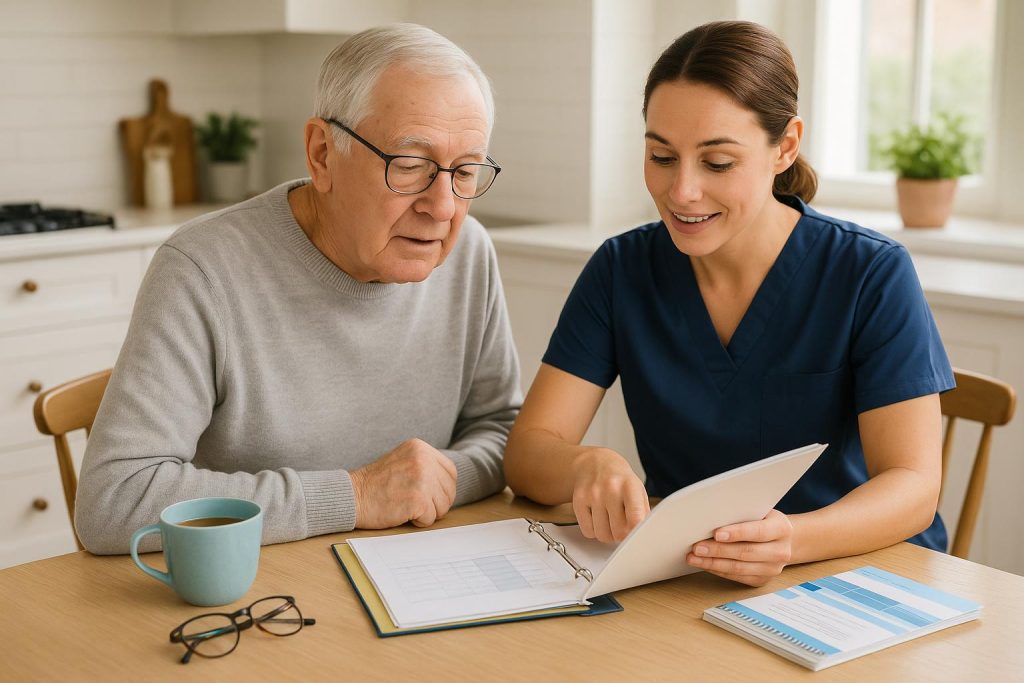
Skills and training for compassionate dementia support
A dementia carer needs a combination of practical caregiving skills, dementia-specific education, sound judgement, and a respectful approach to each person’s routines and preferences. There is no single qualification that makes someone suitable for every dementia care role. The right requirements depend on the type of support needed, the employer or home care provider, and whether care involves non-clinical daily assistance or regulated nursing services. For in-home care, families should look for carers who are trained, screened, supervised, and able to provide calm, person-centred support.
Dementia affects people differently and can change over time. A qualified carer does not diagnose, treat, or cure dementia. Instead, they help the individual continue daily life at home with as much comfort, familiarity, choice, and independence as possible. This may include personal care, meal preparation, companionship, routine-based activities, mobility assistance, and support with keeping the home environment organized and safe.
Core qualifications for a dementia carer
Requirements vary, but a capable dementia caregiver will usually have a foundation in caregiving, home support, health care assistance, or a related area. Experience supporting older adults or people living with cognitive changes can be valuable because it helps carers understand how to adapt care without taking over unnecessarily.
Important qualifications and skills often include:
- Dementia education: Training should cover how dementia may affect memory, communication, orientation, judgement, mood, and daily routines. It should also emphasize person-centred care, which means seeing the individual as a person first and tailoring support to their history, strengths, preferences, and current abilities.
- Personal care skills: Depending on the care plan, a carer may assist with bathing, grooming, dressing, toileting, eating, and safe movement. This support should be offered with privacy, consent, and respect for personal choice.
- Communication skills: Clear, patient communication is essential. Dementia carers may use short, simple sentences, a reassuring tone, visual cues, and extra time for a person to respond. They should avoid arguing or correcting someone in a way that causes distress.
- Safety awareness: Carers need to notice changes in the home or routine that could create challenges, such as cluttered walkways, missed meals, or confusion around everyday tasks. They should know how to follow the care plan, document relevant observations, and communicate concerns through the appropriate channels.
- Emergency and basic safety training: First aid, CPR, safe transfer or mobility training, and infection-prevention practices may be required or strongly preferred by a care provider. The exact training should fit the duties the carer will perform.
- Professional boundaries and confidentiality: A dementia carer should protect the client’s privacy, seek consent where possible, respect family roles, and understand when to involve a supervisor or health professional rather than acting outside their scope.
Personal qualities matter as much as formal training
Credentials are important, but dementia care also relies on how a person shows up each day. The most helpful carers are patient, attentive, dependable, and flexible. They understand that a task which was easy yesterday may feel frustrating today, and they can adjust their approach without rushing or making assumptions.
Empathy is especially important. Confusion, repeated questions, changes in mood, or reluctance to accept help are not simply behaviours to manage; they can be signs that a person is overwhelmed, tired, uncomfortable, or trying to make sense of their surroundings. A skilled carer responds with reassurance and looks for practical ways to make the moment feel more familiar and manageable.
Families may also value a caregiver who can build trust over time. Consistent scheduling, clear communication, and attention to preferred routines can support a more comfortable experience at home. For many people, familiar faces and predictable routines are meaningful parts of dementia support.
What dementia-specific training should cover
When comparing in-home care options, it is reasonable to ask what dementia training caregivers receive and how that learning is kept current. Useful education goes beyond general caregiving tasks. It should help staff understand how to support the person, not just complete a checklist.
A well-rounded dementia care program may include:
- Understanding common changes in memory, communication, perception, and daily functioning
- Using respectful communication and redirection techniques when someone is worried, confused, or upset
- Supporting meaningful activities based on the person’s interests, abilities, culture, and life experience
- Maintaining routines around meals, personal care, sleep, and social connection where appropriate
- Recognizing when a change in behaviour or functioning should be shared with the family, care coordinator, or appropriate health professional
- Working with family caregivers so everyone understands the care plan and knows who to contact with questions
Training does not replace individualized planning. The best dementia support considers the person’s current needs and preferences, as well as what matters to them: a favourite morning routine, music, hobbies, faith practices, cultural traditions, or the desire to make as many everyday choices as possible.
Screening, supervision, and ongoing learning
For paid in-home dementia care, qualifications should be supported by a reliable hiring and oversight process. Families can ask whether carers are screened, whether references and background checks are part of hiring, and how the provider matches staff to a client’s care needs. It is also helpful to understand who supervises the care team, how concerns are reported, and how a care plan can be updated when needs change.
Ongoing education matters because no two situations are exactly alike. A caregiver may need additional coaching as a client’s routines change or as the family identifies new goals for support. Open communication between the client, family, caregiver, and care coordinator helps keep the plan practical, respectful, and responsive.
At Infinity Healthcare, trained caregivers provide personalized non-clinical home care and personal care support based on the individual’s needs and preferences. Services can include help with everyday routines, companionship, and caregiver support, while regulated medical needs should be discussed with the appropriate health professional or through available nursing care options.
Questions to ask before choosing a dementia carer
Finding the right support is about more than checking qualifications. A conversation with a prospective provider can help families understand whether care will feel practical, respectful, and consistent for their loved one.
- What dementia-specific education and practical training do caregivers receive?
- What services can the caregiver provide, and what tasks fall outside their role?
- How are caregivers screened, matched, and supervised?
- How will the care plan reflect our family member’s routines, communication style, and preferences?
- How are changes or concerns shared with the family?
- Can the schedule be adjusted as care needs or family circumstances change?
- Is respite care available when family caregivers need time to rest, work, or manage other responsibilities?
If you are considering a caregiving role yourself, our related guide on caregiver qualifications in Canada offers further context. If you are arranging care for a family member in Edmonton, Infinity Healthcare can discuss the type of in-home support that may fit your household, answer questions about caregiver training, and help build a care plan around the person’s routines and goals. This is care that supports independence, dignity, and the idea that home is where life happens.

