
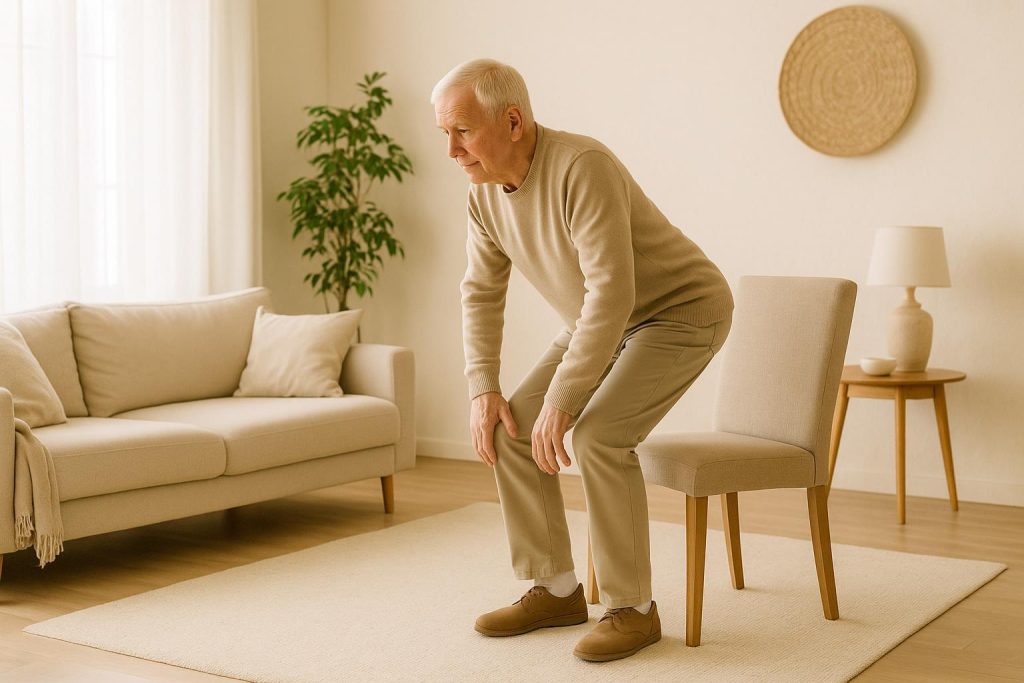
Increasing Strength, Balance, and Independence Through Sit-to-Stand Exercises
For many older adults, staying active at home can significantly increase independence, promote safer mobility, and enhance overall well-being. Finding the single best exercise for seniors poses a challenge, however, since a comprehensive fitness routine is usually most beneficial. Yet in terms of practicality, safety, and simplicity, the sit-to-stand exercise—often called a chair squat—regularly tops the list of recommended movements. Below, we explore in depth why the sit-to-stand is so valuable, how to perform it properly, and ways to create a well-rounded at-home exercise program that supports long-term independence.
Why Sit-to-Stand Exercises Are So Effective
The sit-to-stand movement strengthens critical muscle groups such as the quadriceps, glutes, and core. These muscle groups play an essential role in everyday tasks, including getting out of a car, climbing stairs, and moving from a seated to standing position. As strength in these areas improves, seniors typically find that day-to-day tasks become easier and safer—helping them stay active and confident.
In addition to building strength, sit-to-stands also help train balance and stability. Safely rising from a chair requires mindful control over body weight and posture, which encourages better coordination. This exercise can be done with minimal equipment, making it a practical choice for at-home workouts where yoga mats, large machines, or other specialized tools may not be available.
Getting Started: A Step-by-Step Guide
Before beginning any new exercise routine, especially for those with underlying health conditions, it is essential to check with a healthcare professional. Once you have the go-ahead, follow these steps to perform the classic sit-to-stand:
- Select a sturdy chair: Choose a chair that will not move or slide easily and that allows your feet to rest flat on the floor. If possible, place the chair near a table or steady surface for added support if you become unbalanced.
- Proper positioning: Sit near the front edge of the seat with your feet shoulder-width apart. Align your knees directly above your ankles to reduce strain on your hips and knees.
- Engage your core: Tighten your abdominal muscles slightly to stabilize your spine. Good posture can reduce back strain and improve balance as you move.
- Lean forward: Hinge at the hips and lean forward just enough to shift your weight over your feet. This helps prepare your body to move upward without relying on your arms for a boost.
- Press through your heels: Push firmly through your heels to stand. Keep your upper body supported and your back reasonably straight. If you need extra balance, you can gently rest your hands on the chair’s arms or on a nearby table.
- Control your descent: After standing fully, pause for a second or two. Then slowly lower yourself back down, aiming to keep the movement deliberate and controlled to build muscle stability. Repeat for several repetitions.
The goal is to complete this transition as smoothly as possible—no sudden jerks or rapid drops. If you feel discomfort in your knees or hips at any point, try reducing the range of motion. Even partial lifts can help start the strengthening process.
Recommendations for Frequency and Progress
When first attempting the sit-to-stand exercise, begin with three to five repetitions in a session. Over time, increase the number of repetitions and sets, aiming for up to 10 to 15 repetitions, two or three times per day (as long as it remains comfortable). Consistency is key; by performing this exercise several times a week, you can build a foundation of stability and strength that translates into daily activities.
If you are feeling unsteady or have concerns about balance, be sure to have a family member, friend, or caregiver close by. Stability aids, such as holding onto a sturdy railing, can also provide peace of mind while you work on strength and coordination. Focus on gradual progress—a few consistent steps forward each week typically leads to sustainable improvements.
Beyond Sit-to-Stands: Creating a Well-Rounded Routine
The sit-to-stand is an excellent starting point, but seniors often benefit from a variety of low-impact exercises to further boost overall fitness. Here are a few complementary activities to consider:
- Gentle stretching: Simple stretches, such as seated calf stretches or shoulder rolls, help maintain joint flexibility. Focusing on areas like the hamstrings and lower back can counteract stiffness and reduce the risk of strains.
- Light walking: If safe and accessible, walking around the block or indoors at a moderate pace is a great way to build cardiovascular health. It also enhances balance and leg strength. Start with short walks and gradually increase the distance as you become more comfortable.
- Seated leg raises: While sitting in a sturdy chair, extend one leg out straight, flexing your foot and tightening your thigh muscle. Hold for a few seconds, then return your foot to the floor. This exercise is especially helpful for strengthening the quadriceps without putting added pressure on the knees.
- Ankle pumps: Good circulation helps reduce swelling and maintain range of motion in the feet and ankles. Sitting upright, gently flex your feet up and down, repeating several times for each foot. This exercise is particularly beneficial for seniors who spend extended periods seated.
- Chair yoga: Chair-based yoga offers a gentle introduction to poses and mindful movement that can ease tension, improve posture, and positively affect energy levels. Look for classes or online resources specifically designed for seniors.
By incorporating these activities into your weekly routine alongside sit-to-stands, you can build up different areas of fitness, from leg muscle strength to balance, flexibility, and cardiovascular health. Always honor your body’s signals and avoid pushing through severe pain or discomfort.
Safety Precautions to Keep in Mind
While exercise is a powerful tool for staying healthy and independent, it’s crucial to be mindful of personal limitations and possible risks. Consider the following recommendations to exercise safely:
- Consult a healthcare professional: If you’re unsure about whether a certain exercise is appropriate, a healthcare provider can offer personalized guidance. They may factor in any existing health conditions, past injuries, or mobility limitations you have.
- Use your environment wisely: Clear any trip hazards such as loose rugs, furniture, or clutter before you begin. If necessary, perform exercises near a stable surface to hold onto for support.
- Listen to your body: Mild muscle fatigue is expected, but sharp pain or dizziness is a warning sign. At the first hint of distress, pause your exercise, rest, and reassess. If symptoms persist, consult a medical professional.
- Stay hydrated: Even gentle workouts can cause dehydration. Keep a small bottle of water nearby and take sips, especially if you live in a warmer environment.
- Warm up and cool down: Briefly moving your joints—such as rolling the shoulders, rotating the ankles, or gently marching your knees up and down—helps prepare your body to exercise. Likewise, end each session with light stretching to help your muscles recover.
Addressing Common Questions About At-Home Exercises
Many seniors and their families want to know how to balance safety and progress during exercise. Here are a few frequently asked questions on this topic:
- How many times per week should seniors work out? In general, most older adults benefit from performing low-impact exercises at least three times each week. However, the frequency often depends on individual health considerations, medication use, and energy levels. Consistency is key, but it’s equally important to schedule rest days.
- Should I use weights? Light free weights or resistance bands can add challenge to exercises like the sit-to-stand or seated leg lifts. It’s best to start without added weight to master proper form. Once you are comfortable, ask a healthcare professional if adding small increments of weight is suitable for your routine.
- What if I need extra help? Many older adults feel more confident with support. This assistance may come from a family member, friend, or professional caregiver. A caregiver can offer a watchful eye, provide stability support, or help create a customized exercise plan that aligns with specific goals and limitations.
- Are there ways to stay motivated? Short-term goals, simple tracking charts, or participation in small group classes can help sustain interest. Celebrate each achievement—such as completing one more repetition or experiencing less fatigue—no matter how small it may seem. Motivation often grows as improvements become more noticeable.
The Role of Professional Support in Building an Exercise Routine
For some seniors, performing exercises consistently at home can be more effective with the assistance of a knowledgeable healthcare provider or home care professional. Personalized care services can integrate exercise routines into daily schedules, ensuring both safety and accountability. This level of tailored support can help seniors stay consistent, prevent injuries, and adapt exercises as mobility needs change.
Families may also find relief in having a professional guide to lean on, particularly when concerns arise about a loved one’s ability to safely manage exercises or day-to-day tasks. In some cases, personal care services—like those offered by Infinity Healthcare—can supplement an older adult’s routine by providing mobility assistance and helping with everyday needs such as bathing, dressing, and meal preparation. This coordinated approach promotes overall well-being and helps individuals maintain a sense of dignity and independence in the home setting.
Adapting for Different Levels of Mobility
The sit-to-stand exercise can be adapted to various strength levels and physical abilities:
- Partial stand: If a full stand feels too challenging or causes discomfort, practice a shallower version of the movement. Rise just a few inches off the seat or consider placing a cushion on the chair to limit the range. Even partial stands can strengthen the legs over time.
- Added support: Position a walker, desk, or sturdy countertop in front of the chair. By holding on lightly, seniors can feel more secure as they practice. Over time, they can reduce dependence on the support.
- Advanced versions: Those with greater mobility might move to a lower seat height, hold light weights, or incorporate mini-squats without using a chair. However, it’s important not to push too hard too quickly—listen to your body and increase intensity in a gradual, measured way.
Combining Exercise with Healthy Habits
Physical exercise is just one component of holistic health for seniors. Other beneficial habits include eating a balanced diet rich in fruits, vegetables, whole grains, and lean protein sources; staying connected with friends, family, or local community groups; and managing stress through relaxation techniques or gentle hobbies. Adequate sleep and regular health check-ups also play vital roles in maintaining wellness as you age.
By creating a balanced approach—combining exercise, social engagement, proper nutrition, and consistent healthcare—you can significantly enhance daily living and reinforce independence. Even simple routines at home can accumulate substantial health benefits over time.
Understanding When and How to Seek Extra Assistance
If you find sit-to-stands or other daily tasks are becoming increasingly difficult, it may be time to consider extra support. Having a dedicated caregiver or knowing dependable help is only a phone call away can provide peace of mind. Professional care can take many forms, from short-term respite care for families to ongoing help with bathing, meal prep, shopping, or medication reminders.
In some cases, an in-home consultation through a reputable care provider can shed light on how best to enhance safety while supporting aging in place. This might involve rearranging furniture to reduce fall risks, establishing a medication reminder system, or creating a unique exercise plan suited to a senior’s evolving capabilities. Taking this step is not about losing independence; rather, it can represent a proactive choice to maintain dignity and freedom while receiving an appropriate level of assistance.
Empowering Independence Through Everyday Movement
One of the biggest concerns older adults face is losing autonomy. Exercises like the sit-to-stand counter this worry by building the strength and stability needed for essential live-at-home activities. By performing this key movement regularly, seniors can continue moving through day-to-day life with greater comfort and less reliance on others for basic tasks. The result is often a renewed sense of self-sufficiency and confidence.
For family members, the knowledge that a loved one is strengthening core functional skills can bring relief and reassurance. Even minimal improvements in leg and core strength can directly correlate with fewer accidents and more productive, uplifting days.
Where to Turn for More Information
Staying active at home involves consistent effort, but it need not be daunting. Start with a simple, practical exercise like sit-to-stands, incorporate related low-impact movements, and build from there. If you or your loved one would benefit from extra guidance, speaking with a professional care provider can make a significant difference. Should you have questions or want to explore customized support services, consider reaching out through the Contact page to learn more about the resources available within your community. Whether you’re seeking personalized home support, tips on structuring an exercise program, or help with daily tasks, specialized in-home care can empower you to keep moving safely and confidently.
In many situations, home care professionals can collaborate with families to craft routines that include strength exercises, gentle stretching, and other techniques tailored to the individual’s needs. If you or someone you care for is looking for additional assistance or simply wishing to learn more about supporting independence, do not hesitate to ask questions and gather information from trusted experts and loved ones. Consistent, mindful movement can truly make all the difference in sustaining an active, fulfilling life, allowing seniors to enjoy each day with dignity, respect, and personal choice.

