
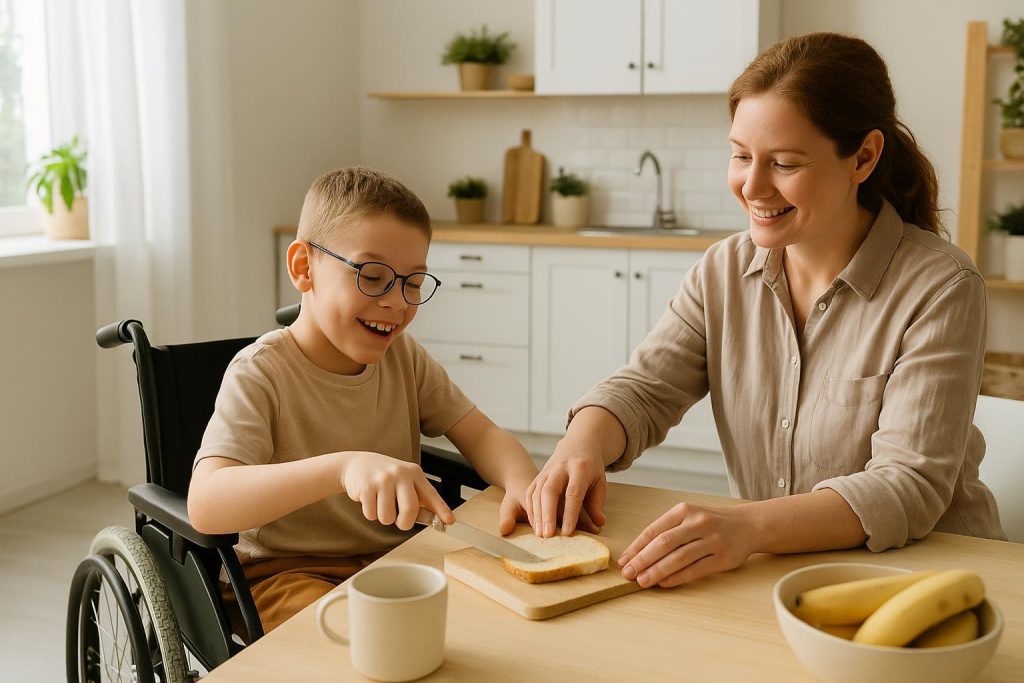
Empowering Children with Disabilities to Thrive at Home
Raising a child with disabilities can be a demanding and deeply rewarding journey. When it comes to promoting independence, everyday actions in your home environment can have a significant impact on a child’s confidence, self-esteem, and overall development. By establishing a supportive framework, you offer children opportunities to learn new skills, make decisions, and discover their own capabilities. Below, we will explore various strategies and insights that can help foster this independence in a practical, encouraging, and family-focused way.
Why Encouraging Independence Matters
Independence is about more than simply carrying out tasks alone. It is rooted in empowerment, dignity, and the freedom to make choices. As children with disabilities learn to exercise a level of autonomy in their daily routines, they build resilience that benefits them both at home and in the wider community. They also develop meaningful life skills, such as decision-making and problem-solving. This growth in self-reliance can translate into measurable gains in their academic progress, physical health, and emotional well-being.
Additionally, when children feel capable of handling tasks, their self-esteem naturally climbs. Small achievements, like preparing a simple snack or selecting their outfit for the day, can fuel a sense of pride. These positive emotions encourage them to explore and master more complex tasks over time. By focusing on dignity, respect, and personal choice, you create an environment in which children know their voice matters.
Creating an Accessible Home Environment
Before introducing new tasks to a child with disabilities, consider the physical layout of your home. Look for ways to simplify navigation, reduce potential hazards, and ensure that essential items are within easy reach. For example, rearranging furniture can free up pathways, allowing children who use mobility aids to move around more easily. Placing frequently used items, such as toys or clothes, on lower shelves can further encourage self-service while minimizing frustration or the risk of accidents.
Modifications that promote self-reliance include installing handrails in hallways or near staircases and placing grab bars in bathrooms. Such additions help children feel safer as they move about and allow them to practice standing or walking with minimum assistance. An accessible home environment is an investment in your child’s long-term growth, instilling confidence from one room to the next. By starting with these simple measures, families set the stage for more advanced abilities and a smoother transition to tasks that require greater independence.
Strategies for Daily Routines
One of the most effective ways to nurture independence is by establishing consistent routines. Predictable schedules help children with disabilities feel secure and know what to expect from day to day. Begin with morning rituals, such as getting dressed or brushing teeth, then proceed to set mealtime and playtime routines. You can rely on visual aids—for instance, picture charts or color-coded timetables—to help them understand the flow of daily activities. Here are some ways to make routines more manageable:
- Break tasks into smaller steps: If your child finds it challenging to complete a lengthy task at once, divide it into simpler parts. Dressing might start with choosing a shirt, then putting it on, then moving on to pants or socks.
- Use gentle prompts: Provide short, calm reminders that help children stay on track without making them feel pressured. A simple cue can be enough: “Time to pick out your shirt,” followed by positive feedback when they succeed.
- Celebrate small milestones: Each positive action—no matter how tiny—is an opportunity to reinforce your child’s sense of achievement. Praise them for accomplishing a step or for simply trying their best.
Over time, engaging in these simple tasks builds lifelong habits. As children gain familiarity with each routine, they require less assistance, freeing parents to direct their attention to other needs within the household or family.
Collaboration with Professionals
Raising a child with disabilities does not have to be a solitary experience. Many families benefit from working with professional caregivers, occupational therapists, physiotherapists, or developmental specialists. These professionals can recommend hands-on activities that are customized to your child’s abilities and interests. If needed, they may also teach specialized exercises that improve motor function, coordination, or communication skills, guiding parents on how to integrate these exercises naturally at home.
Close collaboration ensures that parents stay informed and confident about their child’s progress. Consistent communication between families and professionals sets clear goals, identifies potential stumbling blocks, and explores solutions together. For instance, an occupational therapist might suggest adjustments for a child’s workspace that facilitate better posture or easier use of writing tools. As you and the therapist refine the plan, your child steadily becomes more adept, transferring each learned skill to daily life.
The Role of Adaptive Tools and Equipment
Sometimes, a small adjustment in the form of specialized or adaptive equipment can make significant tasks more accessible. Adaptive utensils for feeding, non-slip mats for the bathroom, or button hooks for clothing can all empower children to complete daily tasks with minimal assistance. These solutions promote self-confidence by letting them manage essential routines independently.
When introducing new tools, involve your child in the process. Let them explore how the equipment works, and provide gentle guidance as needed. This approach encourages them to develop a sense of ownership over their own progress. Moreover, it can spark genuine enthusiasm if they see how such tools simplify tasks that once felt daunting. Over time, they come to view these items not as obstacles but as avenues for growth and independence.
Positive Reinforcement and Emotional Support
Keep emotional well-being at the forefront of this journey. Children with disabilities often need additional reassurance that their efforts matter. Offer specific, positive feedback whenever they try a new step or complete a part of a task. For instance, share words like “I’m really proud of how you put on your socks today” or “You did a great job picking up your toys.”
Patience is crucial. It can take repeated attempts for children to become comfortable with tasks or tools that appear straightforward. But every small gain is a building block: success in a task like pouring juice can pave the way for confidence in other areas, such as setting the table or washing fruits for snack-time. The more consistent and genuine your praise, the more motivation a child will feel to push themselves further.
Caregiver Well-Being and Respite
While your focus is on the child, it is important not to overlook your own well-being as a caregiver. You cannot pour from an empty cup, so finding time to rest, recharge, or briefly hand over responsibilities allows you to be a stronger support system in the long run. Respite Care provides short-term in-home support that can fill these gaps, enabling families to catch their breath or manage other obligations. Through these short periods of relief, you return with renewed patience and a clearer mind, ready to continue encouraging your child’s progress.
Beyond scheduling a designated break, consider asking for assistance from siblings or other relatives who can gently guide your child, too. By involving multiple family members, you create a more inclusive and interwoven support network. This broader engagement shows your child that they have a circle of people who believe in their abilities and are willing to help them reach their fullest potential.
Family Support for Children with Disabilities (FSCD) Care
When you need more specialized help, programs like FSCD Care can be a valuable resource. This type of support is designed to address unique developmental needs in children with disabilities, merging professional knowledge and caring assistance. FSCD Care often involves collaboration across multiple areas of a child’s life—including home, healthcare, and educational environments.
By working closely with families, caregivers associated with FSCD Care focus on building daily life skills tailored to each child’s individual circumstances. They might help with at-home exercises, contribute strategies to manage sensory sensitivities, or reinforce crucial social skills that deepen a child’s ability to connect with peers. This personalized approach can be the bridge that turns everyday challenges into milestones, offering families both relief and the peace of mind that comes from seeing real progress over time.
Regular Check-Ins and Adjustments
As children grow, their abilities and preferences naturally evolve. A plan that worked well three months ago may no longer be the best fit. Regular check-ins, both with your child and any professional support you employ, will help you identify when to refine or expand routines, tools, or goals. Perhaps your child is now ready to sort laundry or assist with simple meal preparation—tasks they were not ready for just a few weeks ago.
Flexibility is key. When you notice signs of frustration or fatigue, take a step back and examine whether an activity needs simplification. Gradual, incremental changes to routines often work better than large, abrupt shifts. Above all, maintain open communication channels with your child, encouraging them to express any discomfort or curiosity. This consistent, responsive approach helps them feel safe exploring new challenges and fosters an atmosphere of mutual respect.
Encouraging Communication and Social Engagement
Independence extends beyond physical activities. Building communication and social skills empowers children to voice their opinions, ask questions, and connect with friends, caregivers, and extended family members. Even small opportunities to exchange ideas can strengthen a child’s sense of self-worth. You might practice communication skills during mealtimes by asking questions that encourage them to share their thoughts about the day. If verbal expression is limited, teach alternative communication methods—like using gestures, picture boards, or simple sign language—to ensure they can still make their wishes known.
Outside of the home, social gatherings or community events can build confidence, too. Meeting new people and interacting with peers might require preparation: you can role-play conversations at home, or introduce guides for social etiquette relevant to specific environments. Every step they take outside their comfort zone helps develop a stronger, more expressive sense of self.
Setting Achievable Goals
Children may feel overwhelmed if they perceive their tasks as unattainably large. Setting short-term, realistic goals can counteract this hurdle. Goals might relate to a skill, like independently choosing snacks throughout the day, or a social milestone, such as greeting neighbors during a walk. Breaking each goal into smaller objectives, then praising your child whenever they make progress, fosters a growth mindset.
Much like adults, children appreciate having benchmarks and ways to measure their successes. When they see they can handle one bite-sized step, they often feel more eager to move on to the next. Over time, these success stories add up, forming a personal narrative of “I can do this,” which remains with them well into adulthood. This approach sets the groundwork for embracing bigger challenges down the road.
Conclusion: A Lifelong Journey of Growth
Helping a child with disabilities become more independent at home is a steady, step-by-step journey. By nurturing familiar routines, providing an accessible space, and letting children take an active role in their own lives, parents and caregivers do far more than help children complete tasks—they lay the foundation for self-confidence and self-determination. Professional support, including FSCD Care and Respite Care, can further guide this process, ensuring that each child’s individual needs are met.
Encouragement is the driver throughout all these steps. Each moment of positive recognition reminds children that they are valued, believed in, and free to explore their full potential in an atmosphere of dignity and choice. With patience, consistency, and teamwork, families can strike just the right balance of support and autonomy, giving children a greater sense of independence and the confidence to discover the possibilities life holds for them.

