
Essential Mobility Exercises and Tips to Help Older Adults Stay Active
Maintaining mobility is crucial for seniors who wish to stay independent and confident in their day-to-day lives. As we age, it is normal to experience changes in muscle strength, joint flexibility, and even balance. However, regular, gentle exercises can help older adults stay flexible, promote good posture, and maintain coordination. The following guidelines highlight safe and practical mobility routines, along with tips for a balanced approach to staying active. Always remember to check with a healthcare professional before beginning any new fitness or exercise program.
Why Mobility Exercises Matter
Mobility exercises are low-impact movements that focus on preserving the range of motion and flexibility in joints, muscles, and connective tissues. For older adults, these exercises can have widespread benefits:
- Better Balance: Simple balance drills and posture work can lower the risk of falls and injuries.
- Reduced Stiffness: Regular movement helps keep joints warm and flexible, easing tension that often increases with age.
- Improved Posture and Alignment: Gentle stretches and mobility movements help maintain correct posture, which can boost breathing and circulation.
- Increased Independence: Being able to move about comfortably at home or when out running errands fosters a sense of confidence and autonomy.
- Mental Well-Being: Physical activity can promote better mood, reduce stress, and encourage a positive attitude toward aging.
Preparation and Safety Tips for Seniors
Before you begin any mobility routine, it is wise to consider factors such as your current physical health, past injuries, and the environment in which you will be exercising. Here are a few pointers to keep in mind:
- Consult a Healthcare Professional: Always check with your doctor or a qualified physical therapist to make sure specific exercises are safe and suitable for your needs.
- Warm Up Gently: Start by doing small, light movements to warm up the muscles, such as shoulder rolls or slow marches in place.
- Wear Supportive Footwear: Shoes with good support and non-slip soles can help maintain traction and stability, especially on smooth or tiled floors.
- Use a Stable Surface for Support: Keep a chair or sturdy countertop within reach to help you balance if necessary.
- Listen to Your Body: Aim for a slight stretch in the muscles but do not push until it hurts. If you experience pain, dizziness, or shortness of breath, pause and consult a healthcare provider.
- Stay Hydrated: Even low-intensity exercises can cause you to sweat or feel thirsty. Drinking water before, during, and after your session helps avoid dehydration.
Effective Mobility Exercises to Try
Below are detailed exercises that focus on safe, low-impact movements. They target different muscle groups and joints, aiding overall flexibility and strength.
1. Seated March
The seated march is a beginner-friendly way to activate your core, strengthen hip flexors, and get blood flowing:
- How to Do It: Sit tall in a sturdy chair, keeping both feet flat on the ground.
- Movement: Raise one knee toward your chest in a marching motion, then lower your foot. Repeat on the other side.
- Tips: Keep your back straight and core engaged. Aim for 10-15 repetitions each side, resting between sets if needed.
- Benefits: Strengthens hip flexors and core muscles, assisting with walking and climbing stairs.
2. Chair Stand
Standing up from a seated position is one of the most frequent daily activities. Practicing chair stands helps maintain leg strength and supports independent movement:
- Starting Position: Sit on the edge of a sturdy chair with your feet hip-width apart, arms either on the chair arms or placed on your thighs.
- Movement: Press through your heels, contract your leg muscles, and push yourself to standing. Then control your descent as you sit back down slowly.
- Tips: Keep your head up and lead with your chest. Aim for 8-12 repetitions, adjusting based on your comfort level.
- Benefits: Bolsters the quadriceps, hamstrings, and glutes to aid everyday tasks like getting up from a couch or car seat.
3. Ankle Rolls
Healthy ankles are essential for stable walking and balance. Ankle roll exercises can help tighten the connection between the ankle muscles and improve range of motion:
- Starting Position: Sit in a comfortable chair, extending one foot in front of you.
- Movement: Rotate your ankle in circles three to five times in each direction. Then switch to the other foot.
- Tips: Move slowly, feeling a gentle range of motion. Avoid jerky or fast movements.
- Benefits: Helps reduce ankle stiffness and can lessen the likelihood of sprains or strains.
4. Heel-to-Toe Walk
This variation of a standard balancing exercise focuses on coordinating foot and ankle stability. It is often used in fall-prevention programs:
- Starting Position: Stand near a countertop or wall for support.
- Movement: Place one foot directly in front of the other so that the heel of your leading foot just touches the toe of your back foot. Slowly step forward, continuing this heel-to-toe pattern.
- Tips: Keep your gaze forward to promote good posture, and use a light touch on a stable surface if needed.
- Benefits: Improves balance and coordination, laying the groundwork for easier day-to-day movement.
5. Shoulder Rolls
Poor posture can lead to tightness in the shoulders and neck. Shoulder rolls are an easy way to loosen stiff muscles in that area:
- Starting Position: Sit upright or stand with feet hip-width apart.
- Movement: Gently roll your shoulders forward five times, then roll them backward five times.
- Tips: Do not shrug excessively. Think of drawing smooth circles with your shoulders.
- Benefits: Promotes better posture and eases neck and upper back tension.
6. Side Bends
Side bends help increase flexibility in the waist and lower back, reducing stiffness and promoting an easier gait:
- Starting Position: Stand or sit upright, placing one hand on your hip for extra balance.
- Movement: Reach your other arm overhead. Gently bend to the side, feeling a stretch along your torso. Return to the starting position and repeat on the opposite side.
- Tips: Keep the movement slow and controlled. If needed, hold onto a chair with the supporting hand.
- Benefits: Encourages flexibility, improves posture, and can help alleviate lower back discomfort.
Strategies for Long-Term Success
Often, the most challenging part of exercise is staying motivated. Consider the following ideas to maintain consistency and enjoy the benefits:
- Set Realistic Goals: Begin with a simple aim, such as performing a specific set of exercises three times a week. Gradually increase the frequency or challenge.
- Track Your Progress: Keep a journal or checklist of your workouts. Seeing your achievements can be motivating and help you notice improvements in strength or balance.
- Use Gentle Reminders: Place a small note on your fridge or calendar to nudge you to do movement breaks. Even short, two-minute sessions throughout the day can make a difference.
- Get Social: If possible, invite a friend or family member to join you. Exercising with someone else can turn a routine into a social event, making it more enjoyable.
- Vary Your Activities: Alternate routines. Try gentle yoga, light resistance training with bands, or simple strolls around the block if they are safe and comfortable. Variety can keep things exciting.
Handling Common Exercise Challenges
Older adults may encounter certain hurdles while staying active, and these can range from physical limitations to lack of sustained motivation. Here are some solutions:
- Limited Mobility: If you have difficulty standing for long periods, focus on seated exercises. Over time, you can progress to standing activities or incorporate short walks.
- Joint Discomfort: If you experience mild discomfort, try gentler moves or reduce the range of motion. Using a heated pad or warm towel on joints before starting can help loosen stiff areas.
- Lack of Space: No dedicated exercise room? A clear area in your living room or hallway can be enough for many of these exercises.
- Initial Fatigue: Start slow with fewer repetitions or shorter sessions. Increase duration gradually as your endurance improves.
Beyond Exercise: Lifestyle Tips for Mobility
While exercises are key, holistic wellness includes other lifestyle factors that reinforce mobility:
- Stay Hydrated: Adequate water intake helps keep joints lubricated and supports overall health.
- Mind Your Posture: Simple actions, such as sitting with your back supported or standing tall, can improve spinal alignment and reduce strain.
- Eat a Balanced Diet: Proper nutrition supports muscle strength and bone density. Prioritizing foods rich in calcium, vitamin D, and protein can help maintain health.
- Stay Connected: Engaging in social or group activities not only supports mental health but can also motivate physical movement.
Support from Professional Caregivers
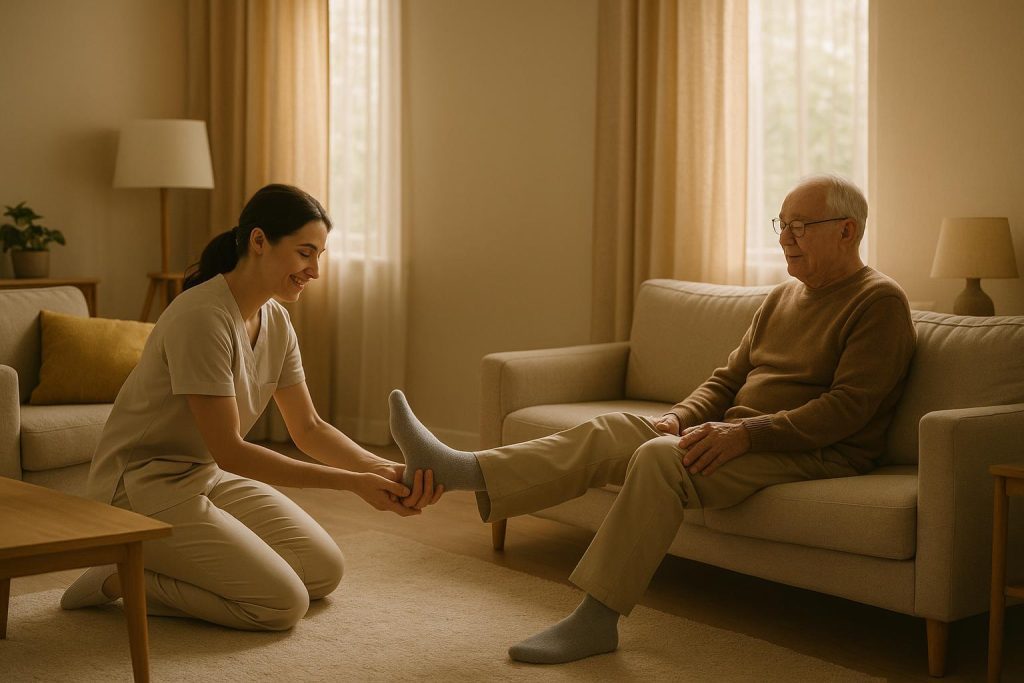
For older adults who have more complex needs or who would benefit from extra hands-on assistance, enlisting help from accredited home care providers can make a meaningful difference. Trusted and trained caregivers can guide gentle movements, help with daily living tasks, and oversee safety in the home. If you or a loved one are interested in more intensive support, consider exploring our Services page. Or, if you require help specifically tailored to household tasks and mobility, our Home Support service can be an excellent place to learn about maintaining independence while having consistent and reliable in-home support.
By working with dependable professionals, older adults can continue living with dignity, respect, and personal choice. A dedicated caregiver can assist with guided exercises, set up a safe environment, and identify signs of fatigue or discomfort early on, thereby ensuring a more positive experience.
Respite Help for Family Caregivers
In many households, adult children or family members step in to help older relatives remain safe and active. While this arrangement can be rewarding, it may also become challenging if caregivers do not have the necessary support. Respite assistance can be a solution, offering short-term relief for family members to rest, work, or handle errands without worrying about their loved one’s well-being. For insights on how respite care works, check out Respite Care.
Maintaining a Consistent Routine
Short, daily sessions generally prove more beneficial than sporadic, high-intensity workouts. Consistency fosters habit formation, helps your muscles adjust, and prevents the kind of strain that can arise from longer, infrequent sessions. Also, routine activities like walking to get the mail, gardening, or stretching each morning offer a convenient way to stay mobile without needing special equipment.
The goal is not to force your body to extremes but to nurture a steady, manageable level of activity that fits your lifestyle. Over time, the benefits accrue, from steadier balance to a greater sense of assurance in your day-to-day tasks.
When to Seek Further Assessment
Although mild aches and fatigue can accompany new exercise programs, certain warning signs suggest you should stop and consult a professional:
- Sudden or Sharp Pain: Abrupt pain in the back, knees, or hips.
- Excessive Fatigue: Feeling overly tired or disoriented during or after simple exercises.
- Dizziness or Shortness of Breath: Difficulty catching your breath may indicate an underlying concern.
- Changes in Heart Rate: Rapid or irregular heartbeats that persist.
If any of these occur or if you are unsure about a particular exercise, speak with a doctor or physical therapist to get tailored advice and guidance.
Key Takeaways
- Gentle mobility exercises like seated marching, chair stands, ankle rolls, and heel-to-toe walks can improve balance, flexibility, and overall function.
- Consistency and safety should guide your routine. Always warm up, use stable surfaces for support, and stay aware of your body’s signals.
- Everyday habits—like good posture, hydration, and balanced nutrition—also play a large role in preserving mobility.
- If tasks become too difficult or if you experience advanced mobility challenges, seeking help from a trusted provider can enhance comfort and security. Working with an accredited home care service can ensure you receive consistent and reliable in-home support customized to your needs.
Mobility exercises for older adults promote independence, physical freedom, and self-confidence, which are all parts of aging on your terms. Whether you are starting with modest stretches at home or seeking guidance from a trained caregiver, the key is to remain consistent and respect your body’s limits. Over time, you will likely notice improvements in your posture, balance, and overall ease of movement.
By incorporating these practical, gentle exercises into a regular routine—and mixing in good habits like proper nutrition and social support—older adults can continue to Age Out Loud and maintain dignity, respect, and personal choice in their daily lives. When extra assistance is required, turning to a compassionate and reputable home care provider can fill in the gaps and ensure a safe, supportive environment. Whatever path you choose, staying active is possible at any stage of life, and small steps today can foster a brighter, more confident tomorrow.

