
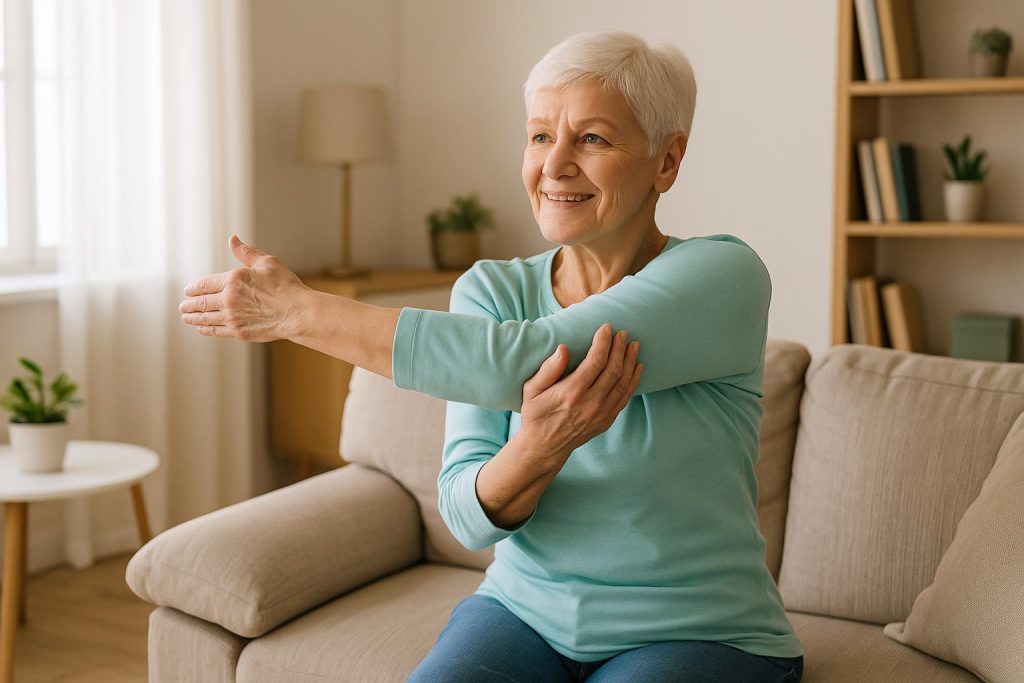
Empowering Older Adults Through Mobility and Independence
Mobility plays a vital role in maintaining a fulfilling lifestyle for older adults. It allows individuals to take part in everyday activities, remain socially engaged, and preserve a sense of independence and self-confidence. While our bodies naturally change as we age, focused effort on regular physical activity can help support muscle strength, flexibility, and balance. This attention to movement and exercise can lower the risk of falls and contribute to an overall sense of wellness, dignity, and freedom.
Why Staying Active Matters
Staying active is about more than simply moving around. It’s about aging on your terms and safeguarding day-to-day abilities, from walking comfortably to performing simple tasks like carrying groceries or climbing stairs. For many older adults, keeping up with basic exercises can help reduce stiffness, maintain range of motion, and boost mood and energy levels. In addition, physical activity often contributes to better cardiovascular health, healthier body weight, and enhanced mental clarity. When individuals can move freely, they’re more likely to stay connected with people, enjoy social events, and continue seizing opportunities for personal growth. Ultimately, consistent exercise supports a fuller, more independent experience that aligns with the principle of Age Out Loud—celebrating modern, empowered aging.
Low-Impact Exercises for Joint Health
Low-impact exercises are particularly well-suited for older adults because they typically place less strain on the joints. Many people find they can engage in these routines more regularly without discomfort or an increased risk of injury. Some effective low-impact activities include:
- Walking: A simple walk around the neighborhood encourages cardiovascular health and helps keep muscles active. The duration and pace can be adjusted to fit personal comfort levels. Using walking poles can add stability and provide extra support while engaging the upper body.
- Swimming or Water Aerobics: These activities offer natural resistance that strengthens muscles, but the buoyancy of the water helps support body weight, reducing the impact on hips, knees, and ankles. Being in the water may also promote relaxation for the mind, gently easing stress.
- Cycling: Whether on a stationary bike at home or on a gentle ride outside, cycling helps build lower-body strength and works the cardiovascular system. Adjustable resistance and speed settings allow for a personalized workout approach.
Engaging in low-impact activities allows older adults to build or maintain essential fitness levels while minimizing stress on the body. Regular participation not only strengthens key muscle groups but also allows individuals to feel confident in their ability to stay mobile and self-sufficient.
Balancing Body and Mind with Gentle Practices
In addition to low-impact movement, practices such as tai chi, gentle yoga, and stretching routines can greatly improve balance, mental serenity, and mobility. These forms of exercise emphasize controlled, slow movements guided by conscious breathing, making them accessible to a wide range of fitness levels. While results vary from person to person, many participants report improved flexibility, better posture, enhanced coordination, and an overall sense of calm.
- Tai Chi: Originating in China, tai chi involves continuous, flowing postures that gently transition from one pose to another, challenging both the body and the mind. This practice helps improve balance and core strength, which can reduce the risk of falls and enhance everyday stability.
- Gentle Yoga: By focusing on slower stretches, yoga provides strength-building opportunities and increases joint mobility. With an emphasis on breathing exercises and mindfulness, gentle yoga can also boost mental clarity and reduce stress.
- Daily Stretching: Whether guided by a health professional or done independently at home, consistent stretching can help maintain flexibility and range of motion. Targeting the hips, lower back, shoulders, and neck helps reduce stiffness that might otherwise limit daily movement.
These gentle practices can be adapted to meet individual needs, further emphasizing the importance of personal choice and physical comfort. By incorporating mindful exercises into a weekly routine, older adults can cultivate a lifestyle that values ongoing independence, self-awareness, and ease of movement.
The Importance of Strength Training
Muscular strength is a central component of staying mobile and self-reliant. When people exercise their muscles, they’re more capable of carrying out daily tasks such as standing up from a chair, picking up objects, or navigating stairs. Strength training can help slow the natural decline in muscle mass that occurs with age. Being stronger can improve posture and reduce the likelihood of injury while supporting better balance and stamina.
Options for effective strength training include:
- Resistance Bands: Lightweight and adaptable, resistance bands come in different tension levels. They can be used for simple exercises that strengthen arms, shoulders, and legs. Because the tension can be adjusted, they’re a flexible choice for people at varying fitness levels.
- Light Free Weights or Household Items: Simple tools like hand weights or even filled water bottles can be used to perform bicep curls, shoulder presses, or other similar movements. Repetitions should be done in a controlled manner to avoid strain.
- Chair Squats and Seated Leg Lifts: Using a supportive chair to practice squats or extended leg lifts helps target leg muscles and the core. These exercises also hone balance, reduce fall risks, and make tasks like sitting down or standing up much easier over time.
When incorporating strength training, it’s beneficial to start out slowly—particularly for those who are new to organized exercise. Consulting a health professional or fitness instructor for proper form and encouragement can help foster safe practices. Over time, individuals may consider increasing weight or resistance levels to continue building tangible strength.
Key Advantages of Balance Exercises
Falls are a common concern for older adults, with potential consequences ranging from minor bruises to more serious injuries. Balance exercises directly address these challenges by improving coordination and stability, helping individuals remain steady on their feet. Activities that strengthen key muscle groups around the ankles, knees, hips, and core can also bolster confidence in day-to-day movement.
- One-Legged Stance or Chair-Assisted Balance: Standing on one foot for short increments while holding onto a chair for stability is a classic way to practice balance safely.
- Heel-to-Toe Walk: Also known as the tandem walk, this routine involves placing one foot directly in front of the other, making sure the heel of the front foot touches the toe of the back foot. It can be practiced indoors, along a hallway, or outdoors on a flat surface.
- Standing Calf Raises: Gently rising onto the balls of the feet and lowering them again strengthens calf muscles and enhances critical lower-limb stability.
Performing even a few minutes of balance-oriented routines daily can contribute to better body awareness and reduce the risk of falls. The key is consistency and attentiveness—listening to the body’s cues, avoiding exhaustion, and using support like a sturdy chair if needed.
Tips for Creating a Sustainable Routine
Positive outcomes often hinge on establishing a routine that’s both realistic and enjoyable. Dedicating specific time slots—be it mornings, afternoons, or evenings—for exercise sessions can create order and help older adults maintain a sense of rhythm in their daily schedule. Here are some tips for building a viable plan:
- Start Small: Even 10-minute sessions can yield substantial benefits, especially for those who are new to exercise or face mobility challenges.
- Find Activities You Like: Choosing activities that feel comfortable and fun increases the likelihood of sticking with the routine over the long haul.
- Seek Support: Sharing exercise sessions with friends or family can make fitness feel more social. Regular check-ins and encouragement can be motivational.
- Stay Hydrated and Nourished: Drinking adequate water and eating nourishing meals helps support energy levels and physical recovery.
For added structure, it can help to prioritize particular objectives each week, such as focusing on flexibility one day and strength training the next. Varying the activities can prevent boredom and keep the body challenged in new ways.
Overcoming Common Barriers
Sometimes, older adults hesitate to begin or sustain an exercise program due to worries about pain, fatigue, or possible injury. Consulting with a healthcare provider before starting any new physical routine can help dispel fears, ensuring safety and effectiveness. In many cases, minor modifications—like adding short breaks or doing seated exercises—can resolve most concerns. Other common issues and possible solutions include:
- Limited Space: Even small areas can be used effectively for standing stretches or using resistance bands. Moving furniture or selecting low-impact routines can make the most of a tiny space.
- Weather Constraints: If walking outdoors isn’t feasible due to harsh weather conditions, consider indoor options like walking in place, marching steps, or doing gentle stretches. Joining a community center that offers indoor tracks or pools can also open up new exercise possibilities.
- Fatigue or Health Conditions: Balancing rest and activity is crucial. By pacing workouts and listening to the body, individuals can gradually build endurance and minimize discomfort.
Adapting exercises to fit personal circumstances can go a long way in helping older adults remain active. Each person’s journey is different, but with the right strategy, everyday barriers become more manageable.
When Professional Guidance Helps
Sometimes, older adults or their families want additional support and reassurance around exercise and daily routines. This might include hands-on assistance from a caregiver who can help track progress, offer gentle reminders, or provide physical support to guard against falls. Having a professional caregiver present can bring peace of mind, especially if balance and mobility are concerns.
Home support services, for instance, can be tailored to match a person’s pace and comfort level, promoting freedom of movement while respecting individual preferences. Caregivers can help create structured plans, coach individuals through routines, and observe proper form. This kind of one-on-one attention fosters consistency, builds confidence, and encourages a positive outlook on staying active. As with any support, the focus remains on preserving dignity, independence, and personal choice at home.
Ensuring Safety and Comfort
Although many exercises can be done independently, making sure the environment is safe and comfortable is crucial. Simple steps like removing trip hazards, wearing sturdy, supportive footwear, and keeping floors free from clutter significantly reduce the likelihood of accidents. Adequate lighting, properly fitted assistive devices such as canes or walkers, and the use of stable support (like a sturdy chair) during balance exercises further promote confidence. Individuals with pre-existing conditions or injuries should also keep open communication with their healthcare provider to tailor routines safely.
Cultivating Motivation and Enjoyment
Exercise is often more effective and sustainable when it is both purposeful and rewarding. For some individuals, setting short-term goals (such as increasing walking distance by a small margin each week) can make the path to better mobility easier to track. Others may enjoy recording daily accomplishments in a journal or sharing successes with family and friends. External motivators, such as music, nature spots, or a dedicated exercise partner, can add an element of fun.
Encouragement from a support network means a great deal, too. Having someone praise your progress, remind you to stay hydrated, or offer a gentle nudge on days when mobility feels challenging can spark newfound enthusiasm. This system of support aligns with the idea that you don’t have to face aging alone: a sense of partnership makes each milestone more meaningful.
Age Out Loud with Confidence
Maintaining mobility in older adulthood is very much about embracing an active, fulfilling lifestyle where independence is prioritized and personal goals remain within reach. Whether it’s joining a group tai chi class, scheduling daily walks with a neighbor, or adding manageable strength-building routines to your morning schedule, every step counts. Emphasizing safe, consistent movement helps preserve both physical and emotional well-being, allowing individuals to continue enjoying favorite pastimes and community life.
If you or a loved one seeks additional support in building and maintaining a sustainable exercise routine, Infinity Healthcare offers personalized services designed to support older adults at home. From simple reminders to service options that deepen engagement with daily movement, caregivers can play a valuable role in ensuring your home environment remains supportive, comfortable, and conducive to an active life.
By proactively incorporating low-impact exercises, strength-building routines, and activities that promote balance and flexibility, older adults can sustain the confidence and dignity that come with strong mobility. With the guidance of caring professionals—and a commitment to personal well-being—staying active can become a natural, enjoyable part of life. Through consistent effort and a focus on individual strengths, older adults truly can Age Out Loud, celebrating movement, independence, and all the possibilities yet to come.

