
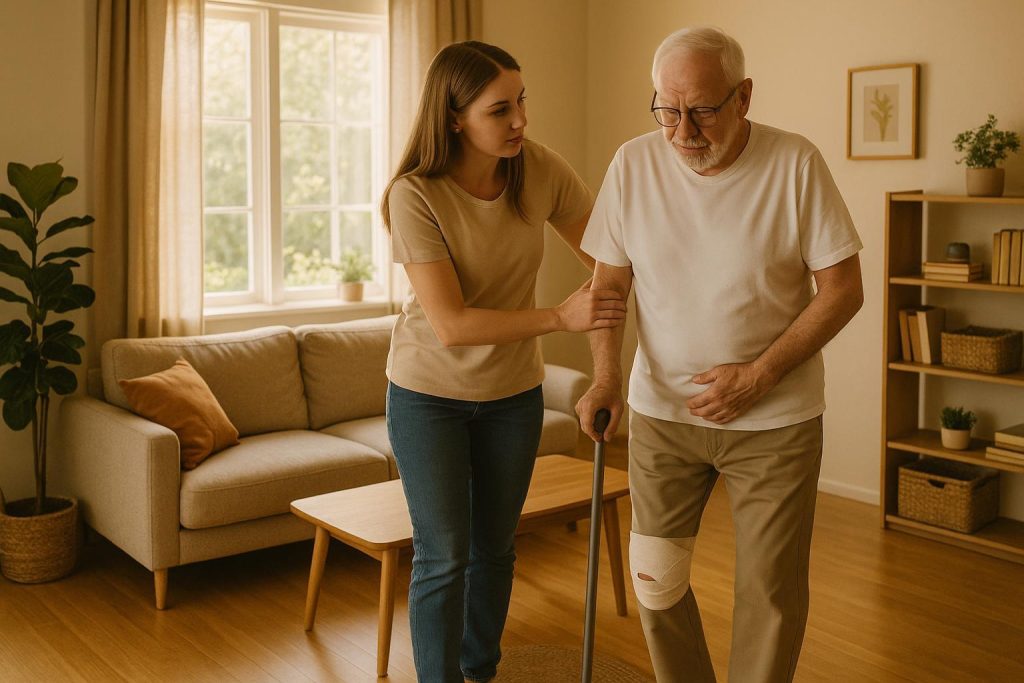
Supporting a Loved One Through Post-Surgery Recovery
When a friend or family member is recovering from surgery, offering the right kind of support can make a meaningful difference in their physical and emotional well-being. It helps to begin by setting up a comfortable, safe environment in which they can rest and heal. Make sure essentials like water, medications, and a phone are always within arm’s reach. Consider organizing household tasks, such as preparing meals or tidying up, so your loved one can focus on recuperation.
Encouraging frequent movement and gentle exercise (as recommended by a medical professional) can reduce complications like blood clots or stiffness. However, it’s equally important to recognize limits and provide help if basic tasks become too strenuous. Listening to your loved one’s concerns and taking note of any new discomfort ensures you can communicate effectively with their healthcare provider. If they prefer extra assistance with personal hygiene or wound care, you might explore in-home medical support, such as nursing care, where a trained professional can manage more complex needs at home.
Alongside practical help, emotional support goes a long way. Offer reassurance by speaking calmly and expressing empathy when they’re feeling anxious about pain or the pace of recovery. Provide small acts of care, like brewing tea or watching a movie together, to help them stay positive. If you notice signs of stress or depression, encourage open conversations about mental health. Sometimes, simply being present to listen—without judgment or rush—can ease feelings of vulnerability.
For many families, recovering from surgery is a team effort that may benefit from leaning on outside resources. You can explore other services and options for added support, whether it’s extra help around the home or long-term care planning. By recognizing your loved one’s personal limits and incorporating professional assistance when necessary, you create a nurturing environment that promotes healing and independence. If you’d like more guidance or to discuss care options, feel free to contact us for personalized insights and next steps.

