
Seamless Therapy Coordination: Practical Tips for Families Working with In-Home Caregivers
Ensuring that children attend all their necessary therapy appointments—whether for speech, occupational, or physical therapy—can be a complex undertaking for many families. Between busy work schedules, managing siblings’ routines, and juggling everyday responsibilities, it’s easy to feel overwhelmed. In-home caregivers can offer meaningful relief by helping manage the logistics around your child’s therapy sessions. With a strong communication plan and a collaborative mindset, families can enjoy smoother scheduling, consistent routines, and greater peace of mind. Below, we’ll explore how to successfully coordinate therapy appointments alongside in-home support, sharing actionable strategies and answering common questions about this process.
Understanding the Role of In-Home Caregivers in Therapy Coordination
An in-home caregiver’s role can extend far beyond basic daily living tasks or simple child-minding. Today, caregivers are trained in various support strategies to help children reach developmental milestones, practice new skills, and cultivate routines that align with therapeutic goals. The primary advantage of bringing a caregiver into your home—rather than relying on outside care settings—lies in customization. In-home caregivers can:
- Offer personalized care: Because the caregiver is in the family’s home, they are better equipped to tailor activities around a child’s unique needs and therapy objectives.
- Facilitate consistent practice: If a child’s therapist has recommended specific exercises, an in-home caregiver can help continue them in a familiar, comfortable environment.
- Coordinate transportation: Many caregivers manage pick-ups and drop-offs for therapy appointments, reducing the logistical load on parents and guardians.
- Promote stress-free scheduling: By taking the lead on managing therapy calendars, caregivers can help families avoid conflicts and keep everyone on track.
The family-caregiver partnership improves continuity of care, which is especially important for children who thrive on routine and predictability. When therapy routines are seamlessly integrated into daily life, children often feel more secure and experience fewer disruptions.
Open Communication: The Key to Successful Coordination
When you choose to involve a caregiver in your child’s therapy process, open communication becomes vital. Here are a few important communication tips:
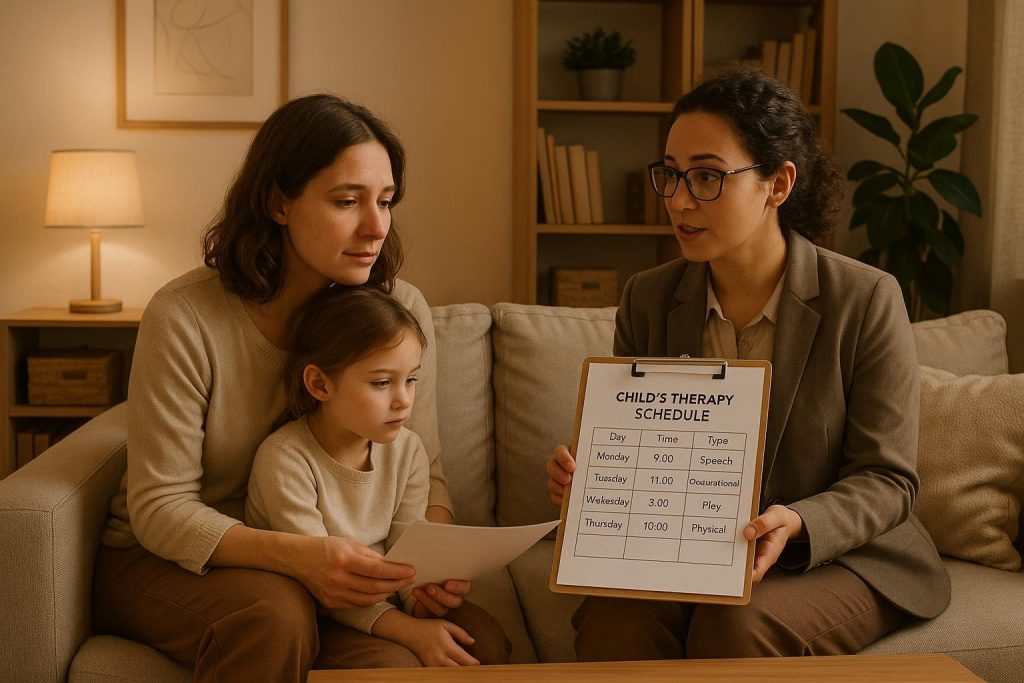
- Share Therapy Schedules in Advance: Provide your caregiver with a calendar that outlines all upcoming sessions, including times, locations, and any special instructions (for instance, if your child needs to arrive 10 minutes early for setup).
- Discuss Therapy Goals: Therapists often develop specific objectives they want children to meet. If you share these goals with your caregiver, they can reinforce them at home by practicing recommended tasks or activities.
- Detail Daily Routines: Beyond therapy scheduling, having a consistent daily routine can help children anticipate what’s next. Encourage your caregiver to maintain predictable mealtimes, nap times, and play sessions. This structure helps avoid unnecessary stress for everyone involved.
- Invite Collaboration: If possible, set up a brief conversation—via phone or email—between your child’s therapist and your in-home caregiver. Simple check-ins, such as discussing progress or exchanging strategies, can align everyone’s efforts.
- Encourage Note-Taking: Ask your caregiver to keep a small notebook or digital log of daily observations, especially any exercises practiced, behaviors noticed, or improvements observed. This information can help you and the therapist spot patterns and celebrate progress.
Optimal communication ensures that no detail is overlooked. This sense of transparency not only elevates the care experience but also helps to build trust between the family, caregiver, and therapy professionals.
Navigating Changes in Therapy Plans
Therapy plans for children can shift quickly due to factors such as progress, new goals, or changes in condition. Families may find themselves needing additional sessions, fewer sessions, or accommodations for new therapy types. In these instances, flexibility is crucial:
- Stay Proactive: Inform your caregiver as soon as possible when new sessions are booked or existing ones are canceled. Prompt updates help the caregiver adjust the daily schedule and ensure your child remains on track.
- Ask for Input: Caregivers often have a direct, day-to-day understanding of your child’s comfort level and routine. They can be valuable advocates if they notice your child may benefit from more or fewer appointments.
- Adapt Exercises at Home: If a therapist modifies or adds new activities for home practice, involve your caregiver right away. A timely transfer of this information ensures your child’s new goals will be supported in their regular routine.
Staying agile and responsive to therapy plan changes is a team effort. By including caregivers in the conversation, you create a unified approach that adapts seamlessly to whatever direction therapy might take.
Ensuring a Smooth Ride: Managing Transportation Needs
Transportation can be one of the more time-consuming details in coordinating therapy appointments. When an in-home caregiver takes on driving responsibilities or arranging rides, it can remove a significant burden from busy parents. To streamline this process, consider:
- Establishing protocols: Confirm who is responsible for drop-off and pick-up, where they will park, and how to handle appointment delays or cancellations.
- Providing the right tools: If your child needs a car seat or specialized equipment, instruct your caregiver on the proper use of this equipment.
- Sharing practice details: If your child needs calm sensory input (like music or white noise) en route to therapy, discuss these preferences with the caregiver and share any relevant instructions.
Consistent routines around transportation not only ensure punctuality but also help the child feel more at ease. Familiar sounds, comfort items, or a predictable route can make a trip to therapy less stressful—and set the stage for a more productive session.
Partnering with Therapy Professionals
When parents, caregivers, and therapists come together with a shared vision, children benefit from consistent reinforcement of their goals. While not all therapy settings allow or require caregiver participation, it can be immensely helpful when there is open dialogue. Below are some ways that caregivers might collaborate with therapists:
- Sharing Progress Notes: After each session, the therapist may provide written or verbal feedback on new strategies. The caregiver can use this input to reinforce techniques during daily routines or playtime at home.
- Asking Questions: If your caregiver attends a session or interacts with the therapist, they might ask for clarity on specific tasks or proper methods to avoid confusion at home.
- Reporting Observations: Caregivers might share observations about how the child responds to exercises outside of sessions. This can inform the therapist’s adjustments to the therapy plan.
This ongoing collaboration between caregiver and therapist can create a supportive environment that accelerates a child’s learning and sense of success. Even short conversations or a quick email exchange can foster valuable alignment in your child’s overall care.
Supporting Families in FSCD Programs
Families who qualify for Family Support for Children with Disabilities (FSCD) often find they require specialized services to balance government-directed funding, therapy hours, and everyday family obligations. Working with a caregiver who is familiar with FSCD Care can help streamline this process by:
- Coordinating schedules: FSCD families may see multiple therapists for different needs. An in-home caregiver with FSCD experience can help sort through therapy times and ensure none conflict with each other or with other essential activities.
- Integrating therapy goals into home life: FSCD programs frequently require measurable progress. A caregiver can weave recommended exercises or routines into everyday tasks, helping children improve their skills while maintaining a sense of normalcy.
- Communicating updates: Caregivers can notify families and therapists about any emerging needs, changes in behavior, or challenges with meeting therapy goals. This timely communication helps you adjust your approach.
Whether you’re new to FSCD or have years of experience navigating these resources, leveraging in-home caregiver support can help ensure that your family benefits fully from the funding and services available.
Tapping into Respite Care for Enhanced Support
Sometimes, the demands of consistent therapy appointments can take a toll on the entire household. When you’re faced with scheduling changes, unexpected difficulties, or simply need extra support, Respite Care can be a helpful addition. Respite services temporarily relieve parents and guardians from caregiving duties, affording you time to rest, refocus, or attend to other important aspects of family life.
During this period, your respite caregiver maintains the child’s routine and can continue reinforcing therapy goals if instructed. Whether you need a few hours each week or extended care due to a family emergency, respite ensures your child’s progress stays on track without compromising others’ well-being. Integrating respite care can give families the breathing room they need to feel more prepared and calm, ultimately contributing to a more stable and consistent care environment.
Creating a Unified Care Plan
A successful care plan involves input from everyone: the child, parents, caregivers, and therapy professionals. While the child’s interest and comfort level may guide decision-making, parents and therapists often determine the overarching priorities. In-home caregivers then translate these priorities into daily activities. Consider the steps below when designing a unified care plan:
- Outline Key Goals: Identify the child’s therapy objectives, whether it’s improving fine motor skills, enhancing speech articulation, or developing better social interactions. Document these goals and share them with your caregiver.
- Determine the Daily Structure: Work together to determine when therapy exercises fit best: in the morning, after lunch, or during structured playtime. Consistency supports better outcomes and reduces confusion.
- Address Potential Obstacles: If you anticipate barriers—like limited therapy slots, competing extracurricular activities, or transportation challenges—discuss solutions proactively. A caregiver might suggest different times for practice or help coordinate with siblings’ schedules.
- Schedule Regular Check-ins: Plan weekly or monthly catch-ups to evaluate progress, address new questions, and update any part of the care plan that needs adjusting. These check-ins keep everyone focused on long-term success.
By clarifying roles, responsibilities, and goals, all parties can confidently keep the child’s well-being as the focal point of day-to-day activities, ensuring that progress remains steady and purposeful.
Practical Tips for Reducing Stress and Promoting Success
Incorporating therapy sessions into a busy household routine can be stressful. Here are some final tips to help maintain balance:
- Use a Central Calendar: Digital tools like a shared online calendar can keep everyone on the same page. Update it regularly with therapy sessions, appointments, and respite schedules.
- Encourage Consistency: A familiar schedule eases anxieties. If possible, keep therapy appointments at routine times and days, fostering predictability for your child.
- Involve Siblings: If siblings participate in or observe certain exercises, it can demystify therapy for them, enable family bonding, and reduce any feelings of “missing out.”
- Celebrate Milestones: Don’t forget to acknowledge small victories. Positive reinforcement goes a long way in maintaining motivation, especially for children who can become frustrated when tasks are challenging.
- Recognize Limitations: As much as we want to do it all, it’s crucial to know when professional input or additional respite might be necessary. Use your caregiver not just as a schedule manager, but also as a partner in identifying areas where further support could help.
Stepping Into a Supportive Future
Coordinating therapy appointments with an in-home caregiver can feel like a daunting task at first. However, with openness, planning, and collaboration, families can create a smoother, more consistent routine that benefits everyone—especially the child receiving therapy. By defining clear goals, maintaining ongoing dialogue, and leaning on the caregiver’s expertise, you can transform what once felt like a hectic schedule into an organized system that nurtures real progress.
Whether you’re working through FSCD guidelines, balancing multiple therapy specialties, or simply trying to reclaim time in your busy day, a well-coordinated approach helps reduce stress and enables children to reach their full potential. If you’re curious about how in-home caregivers could help your family achieve these outcomes—or you’d like to explore additional services such as respite—consider contacting a trusted home care provider for more information. With compassionate support, you can build a plan that honors your child’s dignity, fosters independence, and provides the consistent, reliable in-home support they deserve.
In partnering with caregivers, you gain not only practical relief but also reassurance that your family’s needs are being met with the utmost care and professionalism. Through effective scheduling, routine reinforcement, and open communication, you’ll see your child thrive in therapy—and feel confident knowing you’ve set them on a path for successful growth.

