
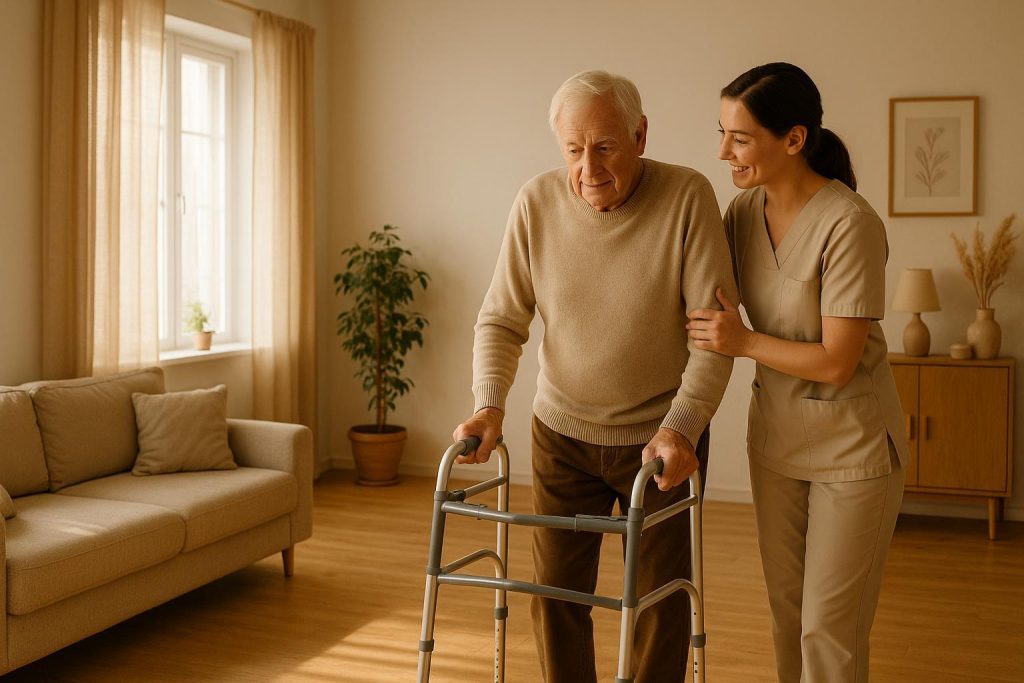
Fall-Prevention Strategies for Individuals with Mobility Challenges
Falls remain a top concern for older adults and anyone coping with mobility-related limitations. While certain factors, such as aging or chronic conditions, can increase the likelihood of tripping or losing balance, caregivers can play a vital role in reducing risks and supporting confidence at home. This guide explores practical, personalized ways that caregivers can help individuals with compromised mobility stay steady on their feet and maintain a sense of dignity. Whether you’re a professional caregiver, family member, or friend assisting a loved one, these strategies offer helpful insights for creating a safer living environment and promoting daily well-being.
1. Understanding the Importance of Fall Prevention
A fall has the potential to cause more than physical injury: it can also impact a person’s emotional state, independence, and resource needs. For individuals with limited mobility, avoiding falls is essential to preserve comfort and freedom over the long term. A single incident can lead to hospital stays, rehabilitation, and a hesitation to remain active, resulting in a spiral of reduced activity and heightened vulnerability. Caregivers who understand the true ramifications of a fall can take preemptive steps to keep individuals safer, allowing them to live life more fully.
Fall prevention is rarely a one-size-fits-all solution. Each person has unique challenges—some may struggle with chronic pain, while others might face dizziness from medication side effects. By appreciating the complexity of fall risk factors, caregivers can develop plans and routines that truly address the specific needs of the individual they support. This proactive approach offers the best chance to reduce risks and lift spirits, ensuring that the person receiving care can continue enjoying daily life.
2. Evaluating the Home Environment
A helpful place to begin is by carefully examining the living environment for any trip hazards or obstacles. Hallways, bedrooms, and bathrooms are common areas of concern, especially if there are loose cords, rugs, or clutter in walkways. Removing or securing these potential triggers can make a big difference. Consider:
- Lighting: Make sure rooms and hallways have adequate lighting. Individuals with mobility limitations may require night lights to guide them if they get up during evening hours.
- Clear Walkways: Avoid placing decorative objects in high-traffic zones, and ensure furniture is arranged to allow wide, unobstructed paths.
- Slip-Resistant Surfaces: Using non-slip mats, especially in bathrooms or near kitchen sinks, can prevent sudden slips on wet floors.
- Grab Bars and Railings: Install easily accessible railings in hallways and grab bars in bathrooms, near the bed, and along staircases where needed.
Because every home is different, the goal is to identify elements that might cause an individual to trip or lose balance. Simple modifications, such as securing a loose carpet with double-sided tape, can help address these problems quickly. For more comprehensive changes, it may be wise to speak with a home safety specialist or seek guidance from a healthcare professional who understands mobility-related challenges.
3. Encouraging the Use of Mobility Aids
Mobility aids like canes, walkers, or specialized crutches can offer significant support. Still, many individuals feel reluctant to admit they need help; they might see these items as symbols of dependence. Being honest and empathetic when discussing mobility aids is key. A caregiver can:
- Choose the right device in consultation with a physical therapist or healthcare professional.
- Ensure routine maintenance, such as checking for worn rubber tips or loose parts.
- Guide practice at home until the individual is comfortable maneuvering with the new device.
Because mobility aids can dramatically reduce the likelihood of falls, integrating them into daily routines can also build self-assurance. If a loved one strongly resists using an aid, focus on helping them see the positives. For instance, a walker might allow them to move more freely through the house or spend more time outdoors. By framing the device as a tool of independence, caregivers can often ease emotional barriers and emphasize personal choice.
4. Focusing on Footwear and Clothing
What a person wears can have a big impact on balance. Footwear that fits snugly and provides good traction helps reduce the risk of slipping. Here are a few things to keep in mind:
- Proper Fit: Shoes should not be too tight or too loose. A well-fitted shoe stays in place while allowing adequate circulation.
- Non-Skid Soles: Rubber or textured soles can make a significant difference, especially on polished floors.
- Secured Fastenings: Velcro straps or laces that tie snugly offer more stability compared to loose slip-on shoes or flip-flops.
- Comfortable Clothing: Clothing should be easy to move in and free of long, trailing fabric that might catch on furniture or cause tripping.
Encourage daily footwear checks. If someone notices uneven wear or compromised soles, it might be time for a new pair. Support from caregivers in selecting and maintaining safe footwear not only prevents falls but also contributes to a sense of personal dignity by ensuring individuals look and feel confident.
5. Supporting Exercise and Physical Conditioning
Physical strength plays a key role in improving balance, which is essential for fall prevention. Caregivers can help encourage a gentle exercise program designed or approved by a medical professional. This might involve exercises that focus on core and leg strength, flexibility, and endurance. Possibilities include:
- Seated Aerobics: Chair-based exercises, such as seated marching, can enhance circulation and build muscle safely.
- Range-of-Motion Exercises: Slow, controlled movements help with joint flexibility and can reduce stiffness.
- Supervised Walks: If outdoor walking is an option, the fresh air and mild activity can boost mood as well as stability.
- Tai Chi or Gentle Yoga: For individuals who are able, these low-impact exercises help develop better coordination and reduce stress.
Encouraging physical fitness in a safe and supportive environment fosters a mindset of empowerment. Exercise sessions can become a shared activity: working together, caregiver and client can celebrate small achievements and highlight progress. This collaboration can transform what might initially feel like a chore into a positive, confidence-building routine.
6. Personalized Daily Support and Home Care
Customized daily support services can offer further protection against falls. Whether an individual requires help preparing meals, bathing, or completing household tasks, having someone close at hand to lend assistance can create a feeling of safety. Simple tasks like getting dressed or moving from room to room can pose challenges for those with mobility limitations; a watchful caregiver can intervene to prevent accidents before they happen.
In many cases, home support services can be tailored to reinforce independence rather than replacing it. For example, a caregiver might help rearrange a kitchen so that everyday items are within easy reach, reducing the need to climb or bend down. Or, they might provide gentle reminders about posture while the client moves from a chair to a bed.
Personalized support doesn’t have to be intrusive. The right caregiver provides help in a manner that respects the individual’s autonomy and comfort level. That balance—ensuring safety, while also supporting independence—lies at the heart of compassionate daily care.
7. Medication Monitoring and Communication
For some individuals, especially older adults, medication plays a critical role in daily life. However, certain prescriptions and over-the-counter drugs may lead to dizziness, fatigue, or blurred vision. These side effects significantly contribute to the risk of falling. Caregivers who maintain thorough awareness of medication regimens can catch early signs of potential issues. Consider:
- Maintaining a Medication List: Keep a current list of all prescriptions, supplements, and dosages to share with healthcare professionals.
- Spotting Side Effects: If someone appears more unsteady, disoriented, or drowsy than usual, follow up with a doctor to see if medication adjustments are needed.
- Ensuring Proper Timing: Some medications are more likely to cause dizziness if taken on an empty stomach or at certain times of day. Monitoring the individual’s schedule can reduce those risks.
Communication among caregivers, pharmacists, and healthcare providers helps maintain consistent, reliable support. By staying on top of medication schedules and noting any changes—whether physical or emotional—caregivers can adjust routines proactively, minimizing the likelihood of a fall.
8. Addressing Emotional and Cognitive Factors
The mind is closely tied to the body’s ability to balance and move. Anxiety, loneliness, and fear of falling can create a cycle of reduced activity, which then leads to muscle weakness and a greater chance of accidents. Likewise, conditions such as dementia can disrupt spatial awareness or judgment, paving the way for potential mishaps.
Caregivers can make a difference by offering reassurance and connection. Friendly conversation, enjoyable activities, or simply spending time together can relieve anxiety and instill calm. For those with memory impairments, reminders and gentle guidance throughout the day can help maintain a safe pace. By understanding each individual’s emotional state, caregivers can create an environment free from pressure or alarm while helping the person feel supported and respected.
9. Nutrition and Hydration
Though it may not seem directly related to fall prevention, nutrition and hydration are essential. Unsteady movement and dizziness often intensify if a person is dehydrated or missing key nutrients. Common strategies include:
- Encouraging Balanced Meals: Emphasize fruits, vegetables, and proteins to keep energy levels and muscle strength stable.
- Adequate Hydration: Ensure regular water intake throughout the day. Dehydration can lead to lightheadedness, headaches, and reduced muscle coordination.
- Calcium and Vitamin D: Under the advice of a healthcare provider, encourage nutrients that support bone health to reduce the risk of fractures if a fall does occur.
For individuals whose mobility challenges stem partly from health conditions like arthritis or osteoporosis, wholesome meals can play a major part in overall stability. Even modest improvements in daily nutrition can bolster energy and alertness.
10. Strategies for Safely Moving Around
Beyond structured exercise, it’s also important to pay attention to everyday actions: how someone travels from the bedroom to the kitchen or sits down in a chair. Common strategies to promote safe movement include:
- Encouraging a Secure Pace: Rushing often leads to missteps. Gently remind individuals to walk at a steady speed, pausing if they feel off-balance.
- Using Both Hands for Support: If there are railings or sturdy surfaces available, encourage the person to use these when changing direction or stepping onto different flooring surfaces.
- Planning Activities: Spread activities throughout the day so that fatigue doesn’t build up to risky levels. Frequent breaks can prevent exhaustion and steadiness issues.
Caregivers who notice consistent difficulties in motion—such as trouble standing up or slight trembling while walking—should promptly communicate with healthcare professionals for advice on further modifications or therapy. Early intervention can make all the difference in maintaining confidence and mobility.
11. When to Seek Professional Support
While regular check-ins, gentle assistance, and home modifications can drastically reduce fall risks, there are times when a higher level of care might be necessary. If someone struggles to complete daily tasks without frequent slips or near-falls, reaching out to a professional home care provider may be the next step. Organizations like Infinity Healthcare can offer personalized care and specialized guidance for more complex situations, helping individuals remain in their own homes, safe and supported.
Skilled caregivers bring experience in addressing mobility limitations, offering courtesy and respect as they help adapt the home, manage daily routines, and communicate progress or concerns back to family members. In certain cases, families may also find respite care valuable, ensuring family caregivers have the opportunity to rest or attend to other responsibilities without worrying about a loved one’s safety.
12. Consistent Collaboration and Ongoing Review
Staying on top of fall-prevention strategies means collaborating, remaining flexible, and updating plans as needed. Over time, a person’s physical condition may change due to illness, recovery from an injury, or the development of new conditions. This evolution calls for regular listening and problem-solving to ensure that strategies keep pace. Regular communication between caregivers, medical professionals, and family members helps form a support network tuned into each individual’s shifting needs.
At-home care can be an ever-evolving process, requiring close observation and feedback from everyone involved. Documenting small changes in balance, mood, or stamina can offer vital insights for the entire care team, ensuring timely modifications and preventing unnecessary setbacks.
13. Encouraging a Positive Perspective
Maintaining positivity can profoundly influence the success of fall-prevention strategies. Because fear of falling can lead some individuals to withdraw or reduce physical activity, caregivers who remain encouraging and empathetic can help foster an outlook of possibility. Reminding individuals that each small milestone—such as a more stable walk around the block or an improvement in posture—represents progress can keep morale high.
Ultimately, the goal is not to guarantee an individual will never experience a slip—it’s about reducing the risks, empowering each person to enjoy their routines, and preserving their sense of control. Through consistent, thoughtful support, fall prevention becomes less of a fearful chore and more of a partnership, boosting both physical safety and emotional well-being.
Conclusion: Embracing Safety and Independence
Caregivers have a deep and meaningful role in helping individuals with mobility challenges lead safe, fulfilling lives. By making diligent home modifications, encouraging the use of reliable mobility aids, reviewing medications, and offering supportive daily care, caregivers can set the stage for improved balance and heightened self-assurance. Ethical, compassionate home care respects a person’s dignity, upholds their independence, and fosters a proactive mindset about health and safety.
Those seeking help for a loved one—from simple advice on best practices to round-the-clock home care—can consider connecting with a trusted organization like Infinity Healthcare. Tailored care and a respectful, person-first approach can turn aging or mobility difficulties into an experience of continued growth, activity, and reassurance. Above all, fall prevention rests on a foundation of understanding, collaboration, and empathy—a powerful combination that helps individuals remain steadfast on their feet and confident in themselves.

