
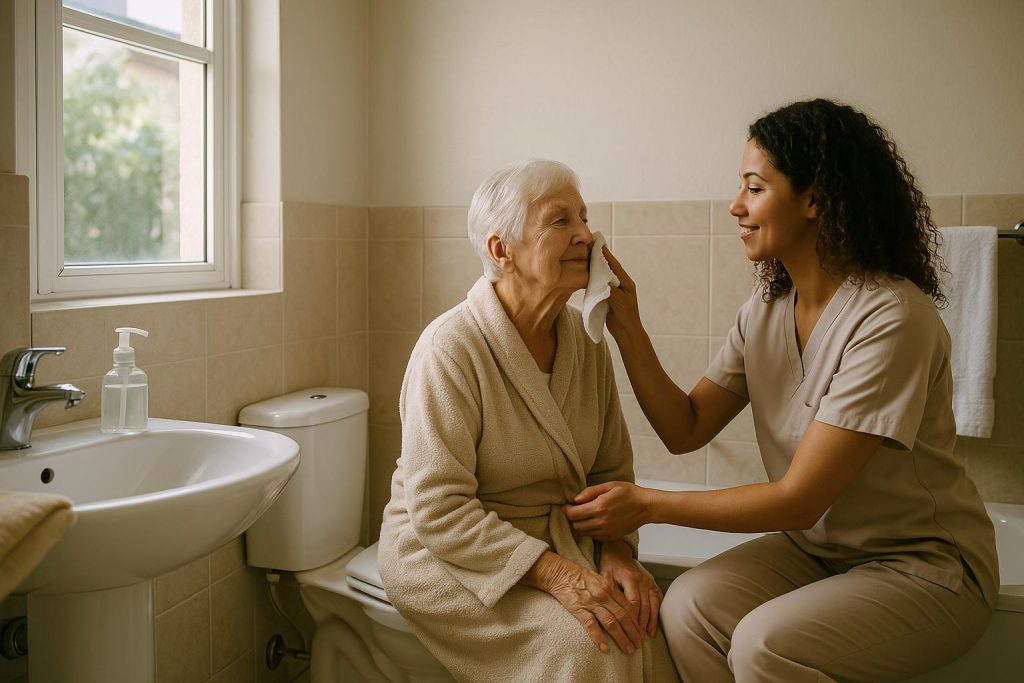
Comprehensive Support for Everyday Personal Hygiene
Maintaining independence and dignity in everyday life often hinges on a person’s ability to manage personal hygiene tasks. For many individuals, such tasks become more challenging with age, mobility limitations, or chronic health conditions. Professional care providers offer direct, reliable, and compassionate support, ensuring that these activities are handled respectfully. Beyond just physical assistance, caregivers focus on preserving each person’s sense of self, nurturing emotional well-being, and encouraging autonomy wherever possible. In this detailed overview, we will explore how care providers help with daily personal hygiene tasks, outline the approaches used to keep individuals comfortable, and highlight how families can select services that best suit their needs.
Supporting Independence and Dignity
One of the main principles of professional home care is safeguarding each person’s dignity. Daily tasks such as bathing, dressing, and grooming can feel invasive. Caregivers address this by respecting personal boundaries, listening attentively to preferences, and taking steps to protect privacy. For instance, when assisting with bathing, a trained professional will ensure that the individual feels at ease, respects modesty by strategically draping towels or robes, and involves the person in decisions about water temperature or bathing products. This person-centered approach demonstrates to older adults or anyone with limited mobility that their identity, personal choices, and comfort matter every step of the way. From a broader perspective, providing respectful support with hygiene can alleviate stress for families who worry about the safety and well-being of a loved one, while fostering confidence for the individual receiving care.
Bathing and Showering Assistance
Addressing bathing needs can be particularly complex for older adults. Bathrooms often have slippery surfaces, cramped spaces, and risk of falls. Professional caregivers use specialized techniques and tools, such as non-slip bath mats and adjustable shower chairs, to ensure a safe experience. They are also trained to spot potential hazards—like loose rugs or inadequate grab bars—and can recommend solutions that reduce fall risks. Through patient, step-by-step assistance, caregivers help individuals enter and exit the bathtub or shower safely. By maintaining open communication, they learn personal preferences for bathing frequency, preferred soaps, and water warmth. Taking ample time to complete these tasks helps individuals feel unhurried and respected, limiting anxiety or embarrassment.
In some situations, individuals may experience discomfort or sensitivity, whether from chronic pain, post-surgical wounds, or limited mobility. An attentive caregiver adapts methods accordingly: using gentle soaps or microfiber cloths, assisting with partial baths when full immersion is not an option, and focusing on areas of the body that require special care, such as surgical incisions or areas prone to skin breakdown. These thoughtful considerations create a sense of safety, allowing individuals to retain as much independence as possible while preventing infections and other health concerns.
Dressing and Clothing Choices
Choosing the right clothes can be difficult for people with reduced mobility, arthritis, or other conditions that compromise dexterity. Care providers understand how vital it is for individuals to feel comfortable and well-presented in their own style. They offer help with selecting outfits, putting on shoes, and handling buttons or zippers. By encouraging self-expression, professional caregivers avoid simply taking over tasks. Instead, they adapt the environment or routine so the individual can be as independent as possible. For example, caregivers might organize closets to keep frequently worn clothing within reach, or they might suggest adaptive clothing with Velcro closures and elastic waistbands to simplify dressing. These adjustments not only save time but also preserve dignity, as individuals retain control over their appearance and daily style choices.
Grooming and Personal Care
When a person is well-groomed, it can profoundly enhance self-esteem and social confidence. A neat hairstyle, trimmed nails, or a clean shave goes beyond mere aesthetics; it contributes to a sense of normalcy and wellness. However, for many older adults or those living with disabilities, tasks like brushing hair, trimming nails, or shaving can be tiring or painful. Care providers take the time to ensure these tasks are done gently and thoroughly. They might use specialized nail clippers for thick or brittle nails, accommodate individuals who prefer an electric razor for safety, or style hair in a way that is easy to maintain. Throughout these tasks, caregivers focus on each individual’s comfort, avoiding rushed or impersonal interactions. The process becomes a chance to chat, provide reassurance, and maintain trust so that grooming remains a positive and affirming routine.
Oral Hygiene and Skin Care
Oral hygiene is crucial for overall health and well-being. Caregivers in home care settings assist with tooth brushing, denture cleaning, and mouth rinsing to prevent infections and dental issues. This hands-on support is especially beneficial for those who struggle with dexterity, memory concerns, or other health challenges. In a similar vein, safeguarding skin health through thorough washing and moisturization is also a core function of personal care. Dry, irritated skin can lead to complications like sores or infections, but consistent attention from a caregiver mitigates these risks. By using dermatologist-approved products or fragrance-free lotions, care providers help individuals maintain supple, healthy skin, boosting comfort, confidence, and a welcoming sense of self-care.
Promoting Emotional Wellness
It is important to remember that personal hygiene tasks are not purely physical. For many people, especially older adults accustomed to living independently, requiring help with something as basic as a shower or brushing their hair can feel troubling. Caregivers often step into a delicate role, providing emotional support and a listening ear. They build trust by treating each task as a partnership. Asking for an individual’s input, respecting their pace, and offering gentle companionship can transform an impersonal chore into an empathetic, person-centered experience. By acknowledging feelings of vulnerability and prioritizing emotional comfort, caregivers reinforce a sense of self-worth. This approach fosters a supportive bond that affects overall quality of life, beyond just hygiene routines.
Ensuring Safety in the Home Environment
Because bathrooms and bedrooms present unique safety risks, caregivers often evaluate the environment to ensure it accommodates an individual’s needs. Installing grab bars near showers and toilets, adding adequate lighting, and arranging essentials within easy reach can dramatically reduce fall risks. Some caregivers encourage simple reorganization strategies, such as placing everyday items (like toothpaste, hairbrushes, or medications) at waist-level so individuals do not strain themselves. This blend of safety awareness and proactive planning aligns with the broader goal of enabling people to remain at home comfortably and securely. Consistent caregiver involvement reduces not only the risk of accidents but also the ongoing stress that families might feel about potential hazards in the home.
Encouraging Control and Independence
A hallmark of quality caregiving is fostering independence, rather than creating reliance. Experienced professionals partner with individuals to identify parts of each hygiene routine they can manage on their own. For instance, someone might only need help stepping into a shower or steadying themselves while standing at the sink, but can manage water temperature and soap application upon feeling secure. This approach cultivates confidence and a sense of control. Over time, certain aspects of care might shift as conditions change; however, a consistent focus on strengthening existing abilities helps individuals maintain or even improve their capacity to perform daily tasks. This approach is fundamental to Infinity Healthcare’s philosophy of “Age Out Loud,” encouraging empowered aging at home without sacrificing self-determination.
Customized Hygiene Routines
Everyone’s baseline for personal hygiene is different. What one person sees as necessary might seem optional to another, and personal comfort and cultural considerations also play a part. Reputable care providers gain insight by talking with the individual and family about preferences. They then build a schedule that matches these needs, whether that means a daily bath at a certain time or a thorough grooming routine only on specific days of the week. By identifying and respecting patterns—like a favorite morning ritual or an evening bath that helps with relaxation—caregivers ensure routines are both practical and enjoyable. This mindful planning supports familiarity, reducing distress for those who might struggle with memory loss or confusion.
Personalized Care for Various Needs
Whether providing part-time assistance for someone who can still manage some tasks independently, or delivering around-the-clock care for individuals with advanced conditions, customization is at the heart of successful home care. For example, individuals with dementia benefit from consistent routines that provide a sense of stability. A professional caregiver understands how to adapt the environment, reduce overstimulation, and communicate gently yet effectively. Meanwhile, families looking after loved ones with mobility impairments can lean on care providers to ensure safe transfers in and out of bed or wheelchairs during hygiene tasks. These individualized approaches respect each person’s background, medical status, and preferences, ensuring care is always supportive rather than intrusive.
How to Choose a Personal Care Provider
Selecting the right service for assistance with dressing, bathing, and light grooming tasks requires careful consideration. Families should look for a trusted, fully accredited organization that trains caregivers to uphold compassion, respect, and thorough communication. Reading online reviews, verifying accreditations, and asking about staff qualifications can provide reassurance before making a commitment. It is also valuable to discuss care goals with potential providers. Ask how they tailor support for unique needs and preferences. Would the individual meet the caregiver before finalizing the plan? How often are care plans reassessed? Providers committed to personalized care should welcome these questions, showcasing transparency and willingness to adapt. Familiarity with the local service area can also matter, ensuring consistent access and prompt support, especially if immediate help is needed at odd hours.
If you are in search of specialized help with daily personal hygiene, consider exploring personal care services. These programs offer dedicated support with everything from bathing and dressing to comprehensive grooming routines. By focusing on independence and dignity, personalized care services help people feel more at ease in their routines, letting them enjoy the comfort of their own home environment. Care providers strive to create genuine connections, ensuring that each interaction leaves individuals feeling valued. Ultimately, a reputable care provider can be a partner in empowering those who need assistance to keep moving at their own pace while enhancing overall safety and well-being.
Complementary Services That Support Overall Well-Being
In addition to daily personal hygiene, many organizations offer additional home support services that can ease the responsibilities of managing a household. For example, home support often includes light housekeeping, meal preparation, and assistance with errands or laundry. Maintaining a tidy environment and ensuring consistent access to nourishing meals are vital complements to personal hygiene. Some individuals might also benefit from respite care if their primary family caregiver needs a break, ensuring continuity of personal hygiene and other essential tasks while giving families peace of mind.
Such multifaceted support can be especially helpful when combined with consistent hygiene assistance. By having a single provider handle both personal care and broader household support, clients can experience a smoother day-to-day routine. It also allows caregivers to observe changes in health or mood more closely, helping families and medical teams stay informed. When all these elements align—daily hygiene, routine home maintenance, emotional companionship, and respite for families—individuals gain confidence about their living situation, and families feel reassured that loved ones have well-rounded support in place.
Partnering for a Better Quality of Life
Professional care providers are more than just helpers; they are partners in a person’s overall well-being. Whether adjusting morning routines to fit a client’s preferred waking time or ensuring a relaxing bedtime hygiene ritual, these companions bring empathy and optimism. As an example, a supportive caregiver might spend extra time engaging in conversation during grooming, listening attentively to memories or concerns that the individual wants to share. This personal touch helps transform what can otherwise be a sterile, routine task into a moment of reassurance and social connection.
In many cases, families also directly benefit from the peace of mind that comes with reliable care. Children of aging parents often have full-time jobs or other commitments, and they might feel conflicted if they cannot personally attend to every detail of a loved one’s hygiene routine. With care providers in place, families can breathe easier, knowing that professionals are always focused on health and safety. This approach promotes an environment where everyone is confident and comfortable, allowing clients to age out loud, remain engaged in their passions, and maintain daily routines as independently as possible.
The Next Steps Toward Personalized Care
If you or someone you care about is struggling with daily personal hygiene tasks, it might be time to consider professional assistance. In-home personal care stands out for its flexibility and personalized approach, promoting independent living without pushing individuals into a one-size-fits-all model. Experienced caregivers can adapt quickly to changes in health, rework schedules to accommodate new preferences, and suggest additional services that enhance overall quality of life. By actively collaborating with families, these care teams ensure that every detail, from brushing teeth to choosing clothes, is managed in a respectful and supportive way.
Ultimately, care providers strive to ensure that hygiene routines remain a source of comfort, not worry. They recognize that a little help can transform daily struggles into empowering moments of self-care. By designing services around dignity, choice, and well-being, organizations like Infinity Healthcare can help individuals continue living safely, comfortably, and with a sense of purpose in their own homes. If you would like to learn more about specialized personal care or other services such as home support or respite care, you can reach out to discuss your unique in-home care needs. With a shared commitment to personalized attention, consistent support, and open communication, you and your loved ones can embrace daily routines—and life’s bigger moments—with renewed confidence.

