
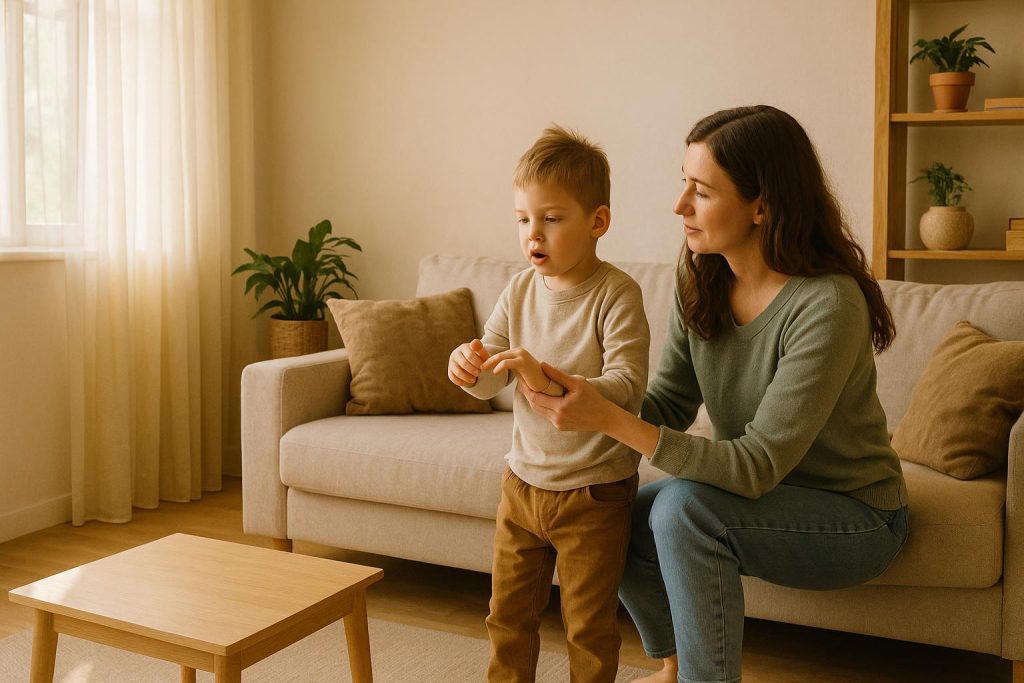
Understanding the Role of At-Home Caregivers in Behavior Plan Management
When caring for children with special needs, consistency, patience, and a nurturing environment can make a world of difference in supporting positive behaviors. Many families collaborate with medical professionals, therapists, and educators to develop personalized behavior plans aimed at helping children thrive at home, in school, and out in the community. Yet, implementing these plans can feel overwhelming if family members are juggling personal responsibilities and daily routines. This is where at-home caregivers can provide vital support, stepping in to reinforce established behavioral strategies and create a stable, comforting environment for children.
Why Behavior Plans Matter
A behavior plan is a personalized strategy often designed by behavioral therapists or psychologists in consultation with parents, teachers, and healthcare providers. It focuses on a child’s unique needs, outlining interventions, reinforcements, and consequences to encourage desirable behaviors and reduce challenging ones. Behavior plans may be used for children with autism spectrum disorders, ADHD, developmental delays, or other conditions that affect social, emotional, or cognitive functioning. The ultimate goal of a behavior plan is not only to address problematic behaviors but also to foster long-term confidence, social skills, and emotional well-being.
Because every child’s needs and triggers are different, behavior plan strategies can vary widely. Plans may include the use of positive reinforcement, reward systems, visual schedules, or calming techniques to reduce stress and transition challenges. Caregivers who are trained or informed about these interventions will be prepared to help children build healthy habits and communicate effectively, making daily life smoother for both the child and their family.
The Role of At-Home Caregivers in Following Behavior Plans
At-home caregivers can be an invaluable part of a child’s daily support system, working in harmony with parents and other care professionals. Their responsibilities can include:
- Familiarizing themselves with the behavior plan: A caregiver should thoroughly review the child’s behavior plan, including the recommended interventions, goals, and techniques. Understanding the ‘why’ behind each intervention empowers caregivers to apply them effectively.
- Promoting consistency: Children with special needs often rely on consistent schedules and methods. A caregiver enforces the same guidelines and structures set by parents or therapists, so the child experiences clear, stable expectations.
- Modeling and teaching appropriate behaviors: If a child struggles with social skills or emotional regulation, a caregiver can demonstrate calm communication and positive coping mechanisms, encouraging the child to mimic these healthy habits.
- Documenting progress: An at-home caregiver can keep notes about behaviors, interventions used, and changes observed. This feedback loop supports collaboration with parents, therapists, and healthcare providers to further tailor the plan if needed.
- Providing respite to families: By stepping in for periods of time, caregivers give parents and other family members a chance to rest, focus on work, or take care of errands without worrying that a child’s behavioral goals are on pause.
Consistency and Routine
Consistency is one of the strongest tools in reinforcing positive behaviors. Many children with developmental or behavioral challenges feel most secure when they have a predictable schedule. An at-home caregiver can maintain consistent meal times, bedtimes, and transitions between activities, reducing stress for the child. For example, if the child’s behavior plan outlines a structured morning routine of breakfast, hygiene tasks, and quiet time, the caregiver helps ensure each step is completed systematically and gently reminds the child to follow transitions.
When unexpected events happen—perhaps an appointment or a change in the usual day—an experienced at-home caregiver knows how to apply calming strategies included in the behavior plan. This might include offering extra reassurance, using visual cues (like pictures or routine charts), or providing the child with more time to adapt to the new activity. Over time, experiencing daily structure and supportive guidance can build the child’s sense of stability and trust in their surroundings.
Collaboration With Families and Professionals
Because each behavior plan is customized to the child, caregivers need to work closely with everyone who supports that child’s well-being. Regular meetings or quick check-ins allow parents, therapists, and caregivers to align on the child’s short-term and long-term goals. For instance, if a therapist suggests new coping strategies, the caregiver can practice them at home while the parents monitor if the child’s overall behavior improves. Maintaining open lines of communication ensures issues are addressed quickly and the plan remains up to date.
In some cases, medical professionals or educational staff might provide additional resources or training for caregivers. Certain strategies, such as de-escalation techniques, require practice and confidence. Getting ongoing mentorship or education can help caregivers feel more prepared to handle challenging moments. Furthermore, caregivers who understand the child’s developmental trajectory can better anticipate new growth opportunities and emerging needs.
Practical Tips for Behavior Plan Management
Supporting a child’s progress often involves creativity, patience, and small steps that gradually become habits. Below are some practical tips caregivers often find effective:
- Use visual tools: Children benefit from having a tangible schedule or picture guide that shows each step of an activity. This method can ease anxiety around transitions and clarify expectations.
- Celebrate successes: A child’s progress might be slow or subtle. Caregivers can provide gentle praise and highlight achievements, no matter how small. This positive reinforcement boosts motivation and self-esteem.
- Break tasks into manageable steps: If a child struggles with a certain activity (like getting dressed), breaking it down into individual steps can make the process feel more achievable.
- Maintain a calm tone: Children often mirror the emotional states of adults around them. A calm, patient caregiver can model the right demeanor, mitigating heightened situations before they escalate.
- Track changes carefully: If a child’s behavior improves or worsens, detailed notes can help therapists and parents refine the plan. Documenting triggers, timing, and responses can uncover patterns that might otherwise go unnoticed.
Overcoming Challenges at Home
Not every day will follow the plan perfectly. Children may have unexpected meltdowns, resist new routines, or revert to old behaviors. An at-home caregiver’s ability to remain flexible while still reinforcing the plan’s fundamentals is crucial. This means acknowledging that slip-ups happen and shifting approach when necessary. Most behavior plans are living documents, regularly updated as the child develops new skills or faces fresh challenges. An adaptive, open-minded caregiver can handle these shifts without unsettling the child’s sense of security.
Sometimes, a behavior might escalate or persist despite consistent effort. In such cases, a caregiver’s observations can be pivotal in identifying the factors behind this behavior, allowing parents and professionals to discuss modifications to the plan. For instance, a child may react strongly if they are overstimulated by certain lights or sounds. Noting these patterns can help caregivers and families create a more comfortable environment while still adhering to broader behavior-management goals.
The Importance of Emotional Support
Children with special needs benefit from emotional validation in addition to structured behavior strategies. An at-home caregiver can provide compassion and reassurance, creating a safe emotional space where the child feels heard and understood. This might involve actively listening when the child attempts to communicate discomfort or fear, offering a hug or a gentle hand on the shoulder, and acknowledging that emotions are valid. The more trust built between caregiver and child, the more likely the child is to accept guidance and maintain progress in behavior therapy.
Additionally, caregivers often act as emotional supporters for parents or siblings. Having someone else to step in, even briefly, can relieve the emotional toll of caregiving and allow family members to recharge. In many cases, this respite is crucial to maintaining the overall mental well-being of the entire household.
Respite Care and FSCD Services
Respite care provides families with short-term relief by having trusted, trained caregivers tend to the child in a familiar environment. If your family needs time away to focus on work, attend appointments, or simply rest, respite care can offer the reassurance that your child’s behavior plan remains in good hands. Caregivers who provide respite aim to keep children engaged, safe, and on track with their established routines and goals. To learn more about respite services and how they can support both you and your child, you can explore Respite Care.
For families who participate in government-supported programs like Family Support for Children with Disabilities (FSCD), specialized in-home services may be available to help cover the cost or coordination of care. FSCD often funds services designed to address each child’s particular needs, including developing or implementing behavior plans at home. To see how these services can be tailored to your family’s objectives, consider visiting FSCD Care, where you can learn more about aligned in-home caregiving solutions.
Building a Child-Focused, Collaborative Environment
One of the key benefits of at-home care is that it allows children to receive support in a familiar, comforting space. It also fosters an environment in which everyone who interacts with the child—be it parents, caregivers, siblings, or visiting therapists—are working together as a team. When a child sees consistency of rules and encouragement across multiple caregivers, the child often feels more secure and can develop coping skills that generalize to other settings, such as school or community activities.
Here are ways to bolster collaboration and a child-focused atmosphere:
- Frequent check-ins: If possible, schedule regular chats between parents, caregivers, and professionals to review the child’s progress and adjust goals.
- Encourage feedback from the child: Depending on the child’s communication abilities, invite them to share how they feel about their routines, activities, or new strategies. This can help everyone adapt more effectively.
- Set realistic short-term targets: Some days are more challenging than others. Identifying manageable daily or weekly goals can help children experience a sense of accomplishment.
- Reinforce complementary skills: If the behavior plan includes social skill-building, such as sharing or turn-taking, encourage siblings to participate. This creates a more inclusive atmosphere and helps the child practice skills in natural settings.
Encouraging Growth Beyond the Plan
While maintaining a child’s current behavior plan is essential, at-home caregivers can also look for opportunities to promote the child’s broader development. Over time, they may notice a child showing interest in a new hobby, demonstrating advanced self-care skills, or being ready to learn more sophisticated coping techniques. Sharing these observations with parents and therapists can lead to the introduction of new activities or strategies that evolve alongside the child.
Growth can happen in small, everyday moments. A caregiver might see a child begin to initiate toy cleanup without prompting or volunteer to help with a sibling’s project. By positively reinforcing these emerging behaviors, caregivers nurture autonomy and skill-building in the child’s daily routine. This consistent encouragement contributes to long-term gains in confidence, self-esteem, and adaptability, well beyond the initial goals in the behavior plan.
When to Seek Additional Support or Adjustments
Behavior plans are not meant to remain static. As children grow, their needs and challenges can shift drastically. Parents and caregivers should remain alert for signs that the existing plan might need revision. These signs can include:
- Ongoing increase in challenging behaviors after a period of relative stability
- Difficulties in transitioning to new developmental stages (e.g., moving from toddler to school-age)
- Reports from teachers or therapists that strategies no longer seem effective
- Parents feeling burned out or noticing the child is not responding to the plan
When any of these scenarios arise, a caregiver’s documentation and first-hand perspective can be invaluable. They can sit down with parents and professionals, share insights, and discuss possible plan revisions. In some instances, a child may need new interventions or more advanced support, such as speech therapy or occupational therapy, to address underlying issues. The collective goal is to adapt the plan to reflect the child’s evolving needs and equip them with tools that foster continued development.
A Partner in Supporting Your Child’s Well-Being
Ultimately, at-home caregivers are more than just extra hands—they become partners in helping children achieve dignity, respect, and a sense of independence within their own homes. By consistently applying behavior strategies, providing emotional support, and working in concert with families and professionals, caregivers help ensure children receive the stable environment they need to flourish.
Every child is unique, and each family’s needs can vary. Yet the reassuring presence of a trained, compassionate caregiver can help manage the day-to-day ups and downs of a behavior plan. With clear communication, collaborative planning, and strong consistency, children gain the structure necessary to develop positive habits and life skills. Parents can enjoy peace of mind and feel empowered, knowing their child is receiving patient, individualized guidance toward a brighter future.
For families seeking additional support, exploring government-funded options such as FSCD can open doors to specialized in-home services. Meanwhile, respite care ensures that parents can rest and take care of their own needs while maintaining a nurturing environment for their child. By drawing on these resources—and leaning on the expertise of caregivers—families can focus on building lasting improvements in their child’s life, one day at a time.

