
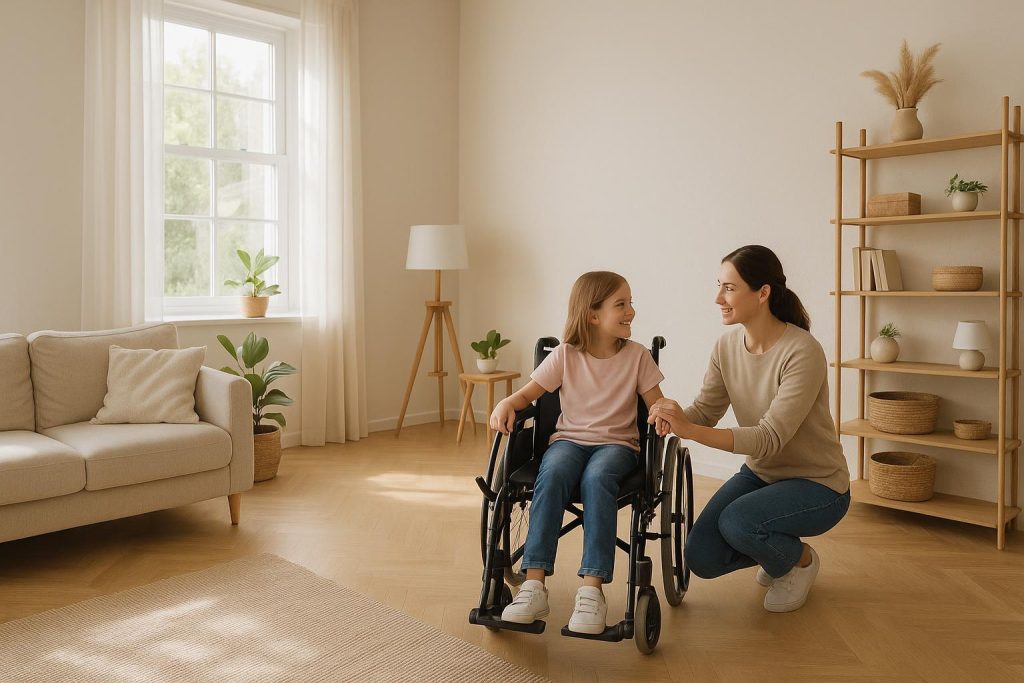
Creating a Tailored Approach to Personal Care for Your Child
Children with unique mobility or communication needs often benefit from individualized personal care services. When this support is provided thoughtfully, it not only addresses day-to-day tasks but also helps foster confidence, dignity, and independence. In many families, ensuring a child’s physical and emotional needs are being addressed at home can alleviate stress and bring about a sense of relief and peace of mind. This is especially true for families who are already managing factors such as medical appointments, specialized therapies, education plans, and overall household routines.
Whether your child uses a wheelchair, mobility aids, communication boards, or assistive technology, tailored personal care can adapt to these needs. By having flexible and trained caregivers, you can ensure effective communication with your child, maintain a safe environment, and create a consistent routine that respects your child’s individual choices. This approach honors each child’s identity, respecting their desires and providing professional cooperation with therapists and other specialists who form part of the broader care team. Below, we explore how personal care services can be fully customized and the impact such a strategy can have on daily life, communication support, and longer-term growth.
Understanding Individual Requirements
One of the most significant advantages of tailoring personal care services is the chance to deeply understand each child’s circumstances and preferences. Caregivers who work with families of children who experience disabilities know that no two children are alike. Needs vary depending on diagnosis, mobility levels, communication styles, and individual characteristics such as temperament or learning approaches.
For instance, a child who primarily uses a wheelchair may require help with safe transfers, toileting, or movement from one room to another. On the other hand, a child who is nonverbal might use alternative communication methods, such as sign language or communication boards. Tailored personal care professionals take the time to learn, practice, and consistently implement these communication methods in a way that respects personal choice and individuality.
Adapting to Mobility Needs
Ensuring mobility support is handled with expertise is crucial, especially if the child requires specialized equipment. Wheelchairs, walkers, crutches, or other mobility aids must be used correctly and consistently to protect both the child’s safety and sense of autonomy. Skilled caregivers can help with tasks like:
- Safe Transfers: Moving a child from a bed to a wheelchair or to a specialized bath seat should be done in a way that prioritizes comfort, reduces strain, and maintains dignity. This might include using lifting devices or transfer boards and incorporating gentle repositioning techniques.
- Guiding Navigation: Navigating hallways, bathrooms, or the kitchen can be complex if the home is not fully accessible. Trained caregivers can help children travel more freely in their own home environment, minimizing physical barriers.
- Improving Confidence: When a child successfully moves from one space to another, they learn to trust their capabilities. Experienced personal care professionals encourage safe mobility at every step, assisting rather than taking over.
By diligently focusing on mobility, families can ensure that their children remain engaged in daily routines—such as grooming, bathing, or dressing—in a manner that feels comfortable and respectful of personal choice.
Facilitating Meaningful Communication
A child’s communication style might involve speaking, using sign language, pointing to pictures, or pressing buttons on a device that speaks for them. Some caregivers may be unfamiliar with these methods, so it is essential to select personal care services that include thorough communication training.
Effective communication can be enhanced through:
- Visual Supports: Communication boards with symbols, pictures, or words that enable the child to express needs and preferences.
- Assistive Technology: Tablets or specialized communication devices can be programmed to suit the child’s vocabulary and level of understanding.
- Responsive Caregivers: Professionals who demonstrate patience and active listening can better interpret nonverbal cues, such as facial expressions or gestures, building trust and preventing misunderstandings.
- Collaboration with Therapists: Speech and language professionals can guide caregivers on the best techniques to reinforce communication goals, creating a consistent approach across multiple service providers.
Establishing these supportive methods helps the child advocate for themselves, fosters self-expression, and ultimately nurtures independence. In many cases, reinforcing these communication strategies at home speeds progress achieved during formal speech or occupational therapy sessions.
Collaboration with Allied Services
Children often receive support from multiple professionals, such as occupational therapists or speech and language pathologists. Connecting personal care with procedures recommended by these specialists helps form a cohesive care network. For many families, this involves sharing goals, progress updates, or in-home strategies across all individuals involved in the child’s well-being. A unified team approach can:
- Ensure that therapeutic goals are reinforced during daily tasks like dressing, eating, or grooming.
- Prevent conflicting instructions by keeping everyone aligned on the child’s health and developmental targets.
- Foster consistency in the child’s routine, promoting greater engagement and overall progress.
Whether coordinating with an occupational therapist for fine motor skills or ensuring speech therapy exercises are consistently practiced, a personal care provider can function as an important link, bringing these professional insights into the child’s daily life at home.
Why Personal Care Services Benefit the Entire Family
Often, families experience reduced stress and increased peace of mind once dedicated personal care is in place. Managing a calendar of medical appointments, therapies, and schooling leaves little energy for managing everyday tasks. By having a helping hand, parents can focus on bonding with their child rather than constantly worrying if their needs are met. This integral support can include assistance with:
- Meal Preparation: Cooking meals that accommodate dietary restrictions or encourage healthy eating habits is easier when there is someone knowledgeable about your child’s needs.
- Medication Reminders: For children on prescribed treatments or supplements, caregivers can administer medication in line with the family’s instructions.
- Household Chores: Certain personal care services may also extend to light housekeeping or home support tasks, especially if they provide a safer, more organized living space for the child.
For families who occasionally need respite, short-term or flexible scheduling can deliver valuable relief. Being able to step away from caregiving duties for a few hours or days can help parents recharge while still providing consistent, high-quality support for their child at home.
Exploring FSCD Care
In many regions, families utilize Family Support for Children with Disabilities (FSCD) programs to help offset the cost of additional in-home support. Through FSCD Care, families can coordinate personal care services that address mobility, communication, and behavioral needs. Each child’s care plan might look different based on their goals and abilities, but the primary objective is always to maintain a safe and nurturing environment while maximizing the child’s development and independence.
Some key benefits of FSCD programs include:
- Access to therapy services funding, enabling parents to schedule more sessions with professional therapists.
- Financial assistance, offsetting some of the costs related to specialized equipment or additional caregiver hours.
- Guidance from a caseworker who can help plan and coordinate services in collaboration with a home care provider.
Families should explore their local guidelines and determine whether they qualify. Working together with a fully accredited home care provider that offers FSCD support simplifies the process and ensures all documentation aligns with official requirements.
Personal Care Services in Practice
To understand truly how tailored personal care can enrich a child’s life, consider the following scenarios:
- Wheelchair Mobility and Transfers: A caregiver arrives in the morning to safely transfer a child from bed to their wheelchair, assisting with dressing, brushing teeth, and a comfortable morning routine. Later in the day, they guide the child to the family room or the kitchen for snack time, using supportive techniques to minimize strain on the child. Whether the child needs seat adjustments, help positioning footrests, or ensuring wheelchair brakes are secure, the caregiver’s knowledge helps the day run smoothly.
- Augmentative and Alternative Communication (AAC) Integration: A child with complex communication needs might use a tablet to speak. The caregiver starts the day by verifying that the device is charged and pre-loaded with relevant software. During mealtimes, they remind the child to request items using the device or reinforce a therapy goal by prompting them to identify objects or pictures. By consistently incorporating AAC into everyday activities, communication gains become second nature.
- Occupational Therapy Reinforcement: If a child is learning to manipulate utensils, tie shoes, or practice other fine motor skills, a personal care provider can help them set aside time each day to practice under guided supervision. By repetitively working on these abilities in real-life settings, the child bridges the gap between therapy sessions and home life, making progress in a natural and stress-free environment.
Each of these scenarios illustrates how personalized support can become part of the family’s daily rhythm—improving outcomes, consistency, and the child’s overall comfort.
The Role of Respite Care
When a family is balancing caregiving responsibilities, work schedules, and the emotional aspect of raising children with specialized needs, having a reliable break can be pivotal. Respite Care is designed to give parents and other primary caregivers some breathing room. This service can be scheduled on a short-term or regular basis, during which a trained professional steps in to handle daily tasks and ensure the child’s well-being.
This time away is important for many reasons:
- It provides parents with opportunities for self-care, reducing burnout.
- It allows siblings or other family members to have dedicated, stress-free activities or outings.
- It promotes the child’s sense of trust, knowing they can rely on a consistent caregiver even if their primary parent or guardian is not there.
Respite care can be part of a broader personal care strategy that ensures your child’s mobility and communication needs continue to be addressed consistently, even when you are taking a moment for yourself.
Ensuring Dignity and Independence
At the heart of all personal care services is the principle of maintaining dignity and independence, particularly for children who may feel more vulnerable as they navigate the world. When caregivers respect a child’s unique perspective—seeking feedback, adhering to their communication style, and respecting personal preferences—the child gains a sense of autonomy and self-worth. Simple acts, such as letting the child choose their clothing or decide on the order of morning tasks, cultivate confidence.
Moreover, personalized care is not just about addressing current concerns. It’s about laying a foundation for the future. A child who learns to communicate effectively and move safely around their home builds self-advocacy skills and gains motivation to pursue further independence in school, hobbies, or social activities.
Key Considerations When Choosing a Personal Care Provider
Finding the right provider for in-home support can feel daunting, especially if you’re beginning the process. To help guide your decision, consider aspects such as:
- Accreditation: Opt for a provider that is recognized and accredited, ensuring they meet or exceed industry standards for reliability, safety, and professionalism.
- Experience with Children: A caregiver’s background in working with children, particularly those who have unique physical or communication needs, can significantly influence the quality of care.
- Training and Screening: Ask about caregiver screening, training, and ongoing professional development. Skilled and trusted caregivers possess the knowledge needed to meet children’s needs in a respectful, effective manner.
- Customized Care Plans: Look for providers who prioritize collaboration and actively involve families in creating individualized plans that reflect the child’s routines and personal preferences.
- Ongoing Support: Does the provider offer 24/7 availability for urgent concerns or scheduling changes? Quick response times can foster added peace of mind.
If you find a provider that aligns with these values, you increase the likelihood of forging a successful partnership that supports your child’s growth while simplifying daily routines.
Bringing It All Together
Whether a family needs just a few hours of support per week or a comprehensive schedule of personal care, there are many ways to customize assistance. From Personal Care services that incorporate specialized equipment and communication styles, to FSCD Carecases where financial assistance and coordinated therapies come into play, a holistic approach to in-home support makes a vast difference in a child’s quality of life. Families can seamlessly integrate therapies, daily tasks, respite breaks, and purposeful engagement that strengthens bonds and encourages skill development.
As your child grows, their needs, abilities, and goals may change. A provider prepared to adapt accordingly can ensure continuous, appropriate care that fosters independence and dignity. By building a network of support—caregivers, therapists, educators, and family members—children have the chance to flourish in their home environment. Each interaction, from morning routines to bedtime, becomes an opportunity to build confidence and celebrate progress.
Next Steps for Your Family
Ultimately, you know your child best. It is crucial to explore your options, ask questions, and look for personal care providers who share your commitment to respecting your child’s individuality. Working with an accredited home care organization can remove much of the uncertainty and stress associated with finding reliable in-home assistance. Some families begin by scheduling a consultation to discuss their child’s mobility devices, favorite activities, or current therapy goals.
This intake process can help personalize everything from meal preparation to communication training. By creating a customized support plan, you can ensure that every detail aligns with your child’s health, comfort, and daily routine. If you’d like to learn more about accredited home care that centers on compassion, respect, and empowerment, consider reaching out for more information or to schedule a meeting with care coordinators.
With a thoughtful, individualized approach, personal care services enable children with mobility or communication needs to thrive. They empower families to focus on nurturing relationships and enjoying shared experiences, rather than being burdened by numerous daily tasks. By bringing professionals into your home who understand your child’s unique way of communicating and getting around, their sense of independence, confidence, and well-being can grow, paving the way for an enriched future.

