
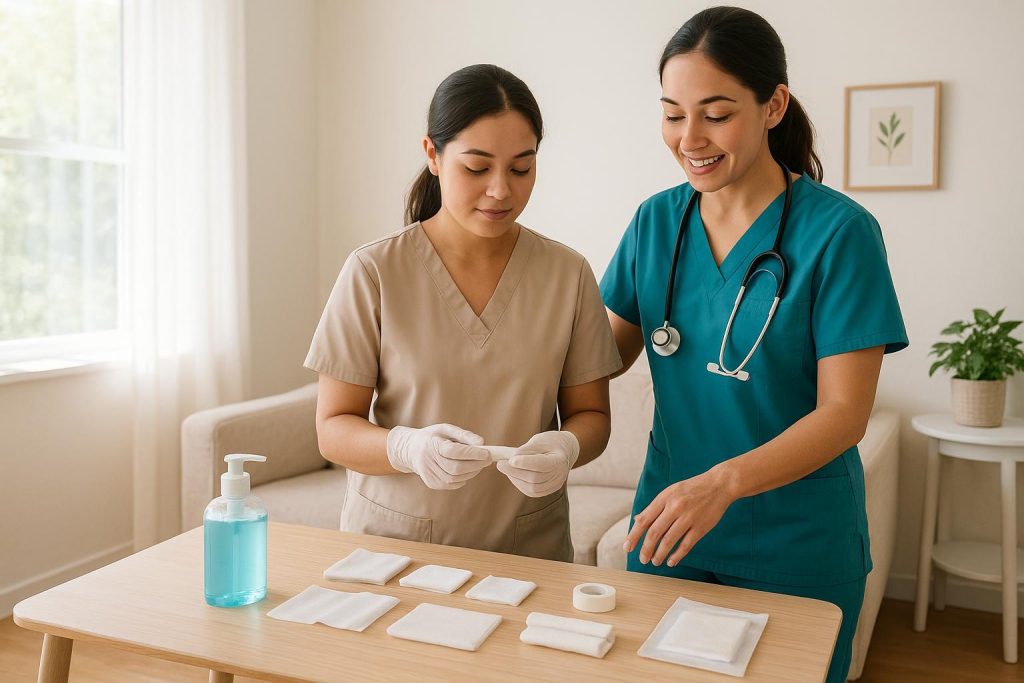
The Vital Role Nursing Assistants Play in Wound Care
Wound care involves much more than simply changing dressings. It demands careful observation, maintaining a sterile environment, and ongoing communication among the healthcare team. In many care settings, nursing assistants are the essential link that helps nurses deliver thorough support. By handling preparatory tasks, helping keep the patient comfortable, and monitoring essential details before, during, and after each procedure, nursing assistants ensure an organized and efficient process. Below is a comprehensive exploration of how these professionals strengthen and enhance wound care outcomes.
1. Preparing the Environment
Before a nurse applies a dressing or inspects a wound, it is crucial to have the right tools in place. Nursing assistants often manage the following tasks:
- Gathering supplies: Wound care typically requires dressings, sterile gloves, cleaning solutions, and other specialty equipment like wound measuring devices. Nursing assistants can assemble these materials in one location, ensuring everything is ready once the nurse arrives.
- Checking for quality and expiration dates: Medical supplies lose their effectiveness if they are expired or compromised. By verifying these details, the nursing assistant reduces the likelihood of using subpar materials that could lead to complications.
- Setting up a clean workspace: Minimizing contamination is central to effective wound care. An organized work surface helps the nurse perform the procedure correctly, limiting confusion or last-minute scrambling.
- Ensuring proper lighting and ventilation: Wounds need adequate illumination for accurate assessment. Nursing assistants can check the lighting in the patient’s room, draw curtains if necessary, and make sure the environment is conducive to safe care.
This groundwork saves time and ensures the nurse can focus on the wound itself. It also conveys to the patient that each step is carried out with careful attention to detail.
2. Positioning and Comforting the Patient
Once the supplies are ready, the nursing assistant helps position the patient in a way that offers the nurse a clear view of the wound. Proper positioning is vital, since many wounds occur in areas that are not easily accessible, such as the lower back or heels. A nursing assistant might use pillows, wedges, or specialized cushions to support the patient. This ensures the patient experiences minimal discomfort and the nurse can carry out a safe and hygienic procedure.
Nursing assistants also pay close attention to signs of pain or distress. During wound care, some patients feel anxious or physically uncomfortable. By speaking in a calm, reassuring tone, the nursing assistant can reduce stress, encouraging the patient to voice any concerns. This nurturing environment supports an atmosphere of dignity and respect, especially important if patients feel vulnerable while their wounds are evaluated.
3. Maintaining a Sterile Field
Infection prevention is one of the most critical elements of wound care. While nurses oversee the process and manage the most sensitive clinical tasks, nursing assistants act as watchful eyes. They help maintain infection control by:
- Handling contaminated linens: Wound care can produce soiled dressings or other materials that carry bacteria. The nursing assistant ensures that these are carefully disposed of or stored for laundering.
- Using personal protective equipment (PPE): Gloves, gowns, and masks are often required for wound care. Sitting at the patient’s side, the assistant can offer extra gloves or a fresh mask if something falls or becomes contaminated.
- Disposing of soiled medical waste: Proper disposal of waste is a vital infection-control measure. Nursing assistants follow protocols to keep the environment clean and reduce any chance of cross-contamination.
- Securing used instruments: Items like scissors or tweezers must be handled with care after use. Nursing assistants can help the nurse by placing these implements in designated containers for cleaning or disposal.
By remaining attentive and following procedures, a nursing assistant helps the nurse uphold patient safety. This behind-the-scenes work contributes significantly to preventing complications.
4. Monitoring Patient Responses
A trained nursing assistant knows how to observe both verbal and nonverbal cues from the patient. These may include facial grimaces, increased heart rate, or changes in breathing patterns. During wound care, the patient might not express all discomfort in words, so noticing these subtle signs is essential for timely interventions.
Nursing assistants also note changes in the wound itself. Swelling, redness, or a sudden increase in drainage can be signs that the nurse might need to adjust the care plan. Quick communication between the assistant and nurse is paramount here. By promptly relaying notable changes, the nursing assistant helps the nurse make informed decisions about the dressing type, cleaning solutions, or frequency of monitoring. This close attention can help the patient avoid further complications and sustain better healing.
5. Promoting Patient Dignity and Privacy
Wound care often involves exposing body areas that patients may normally keep covered. Patients can feel quite uncomfortable, especially when wounds are located in sensitive regions. The nursing assistant helps preserve dignity by:
- Offering privacy screens or curtains: These barriers reduce the patient’s feeling of exposure. It creates a safer emotional space for the patient to talk about any worries or symptoms without feeling embarrassed.
- Using blankets or drapes: Leaving exposed only the treatment area respects modesty. This approach shows empathy, reinforcing that the patient’s comfort and emotional well-being are priorities.
- Ensuring respectful communication: Using a gentle tone of voice and simple, clear explanations keeps the patient engaged and confident. The nursing assistant can let patients know what is happening at each step to avoid unnecessary anxiety.
By actively protecting a patient’s sense of modesty, nursing assistants uphold dignity. This helps patients trust the care environment, an important factor in their emotional readiness to heal.
6. Documentation and Reporting
Complete and accurate documentation is vital in healthcare. Nurses often rely on nursing assistants to report observations about the patient’s comfort, wound progression, and any changes that have occurred since the last check. While nurses typically enter the official medical record, nursing assistants play a key role in providing real-time updates. This can include information like whether the patient experienced pain at a certain time or if they required repositioning more frequently than usual to relieve pressure on a healing wound.
Some tasks that nursing assistants might handle in this area include:
- Tracking vital signs: The nursing assistant may check basics such as pulse, breathing rate, or temperature that offer clues about infection risk or overall well-being.
- Recording wound observations in a report or chart: Although the nurse makes the clinical notes, an assistant’s input can supplement vital details. For instance, small changes like increased redness or a malodor could alert the care team to act quickly.
- Communicating patient feedback: By sharing direct feedback from the patient to the nurse, the nursing assistant strengthens the care relationship. This includes whether the patient feels discomfort with specific dressing materials or cleaning solutions.
Documentation supports care continuity. When schedules change or a new nurse comes on duty, these notes help maintain consistent attention to the wound throughout each shift.
7. Sch
While nurses are typically the ones who perform specialized wound assessments, nursing assistants ensure daily supportive tasks are carried out. These tasks might include reminding the patient to keep the wound area clean, assisting with gentle cleansing during bathing, or making sure the patient follows the nurse’s guidelines for diet and hydration. Living a healthy lifestyle, taking prescribed medications, and following a doctor’s plan can expedite wound healing.
Although these tasks seem minor, they have an enormous effect on the patient’s overall progress. By carefully following the nurse’s instructions and helping the patient stick to these protocols, the nursing assistant adds to a seamless care experience. This integrated approach between nurse and assistant fosters consistent improvements in wound conditions over time.
8. Emotional and Psychological Support
Wound care can be a difficult experience for some patients. Chronic wounds, in particular, may erode a patient’s confidence or motivate a sense of isolation. Here, nursing assistants extend beyond the physical aspects of care by offering empathy and reassurance.
Simple actions, such as listening actively to the patient’s fears and encouraging them to remain consistent with treatment, can have a powerful impact. Many patients feel more at ease discussing personal concerns with a nursing assistant who is present during everyday tasks. By maintaining a respectful, warm demeanor, the assistant helps soften the emotional burdens that accompany wound management. This attention to mental health contributes to a holistic care plan.
9. Strengthening Collaboration in the Care Team
Good teamwork is at the core of safe and effective healthcare delivery. Nursing assistants and nurses communicate frequently to verify that each patient’s needs are met. A supportive environment means individuals can speak up if they notice red flags or potential hazards. Here is how they reinforce each other’s skills:
- Exchange of real-time updates: The nurse might adjust the dressing schedule based on the day’s observations. A nursing assistant who is well-informed about these changes can help maintain consistency even when the nurse is working with another patient.
- Shared best practices: When a nursing assistant sees a new technique or method being used for wound cleaning, they can learn from the nurse and apply this knowledge for more refined support the next time.
- Prevention of oversights: Busy caregiving environments can lead to missed details. Nursing assistants can double-check supply levels, restock items, or remind the nurse about certain tasks that still need to be completed.
By fostering open communication, both the nurse and the assistant act as eyes and ears for each other. This shared vigilance improves consistency and reliability in patient care.
10. Long-Term Benefits of Assistant-Nurse Cooperation
When professionals work hand in hand, patients benefit on multiple levels. Proper wound care reduces pain, promotes healing, and decreases the risk of infection or extended hospital stays. Furthermore, careful collaboration ensures that patients feel genuinely cared for, boosting their morale and willingness to stick with the treatment. This approach also benefits healthcare teams by easing workloads and promoting a positive work atmosphere.
Over time, strong partnerships between nursing assistants and nurses can refine protocols, highlight best practices, and enhance the overall quality of care. A consistent process for setting up, cleaning up, and documenting changes in wound care helps avoid confusion. It also trains new team members more quickly, so they can be as effective from day one. Ultimately, this synergy propels better outcomes for everyone.
11. Continuing Education and Enhanced Responsibilities
Nursing assistants gain more in-depth knowledge by observing nurses and learning new techniques. In some healthcare settings, nursing assistants can attend workshops or earn special certifications in wound care. A thorough understanding of infection control and wound management principles deepens their ability to catch warning signs or provide more targeted support. Over time, this extra training can open doors to advanced roles and responsibilities. Patients, in turn, receive an even more elevated level of care with each supportive skill the assistant acquires.
12. Fostering Independence and Compassionate Healing
One of the greatest outcomes of strong nursing assistant–nurse teamwork is empowering patients to live with as much independence as possible, even while dealing with a wound that needs care. Nursing assistants make life more comfortable by helping patients bathe, move around, and keep their wound protected. This focus on personal choice and respect fosters confidence. Patients gain comfort knowing they have reliable help that treats them like partners in their own healing. In promoting dignity at each step, nursing assistants help the patient feel a sense of control and reassurance, nurturing a space where healing can flourish.
Further Support for Wound Management
If you are looking for more comprehensive support at home, professional care services can make a significant difference. For individuals who need ongoing assistance, healthcare organizations offer a variety of options, from in-home nursing to volunteer companion visits. For instance, you can explore Nursing Care services that specialize in wound management and coordinate with other medical professionals. A well-coordinated team, where nurses and nursing assistants collaborate effectively, fosters a strong sense of trust and confidence, both for the patient and their family. This added layer of support helps patients focus on improvements and maintain a higher quality of life.
In summary, nursing assistants fulfill a role that includes preparing the environment, safeguarding patient comfort, maintaining a sterile field, and providing emotional reassurance. They enhance efficient wound care by noticing changes in a wound’s appearance and keeping nurses informed. Through skilled coordination and compassionate dedication, nursing assistants support patients as they progress toward healing. Their everyday contributions ultimately ensure that every step toward recovery is managed with care, dignity, and precision.

