
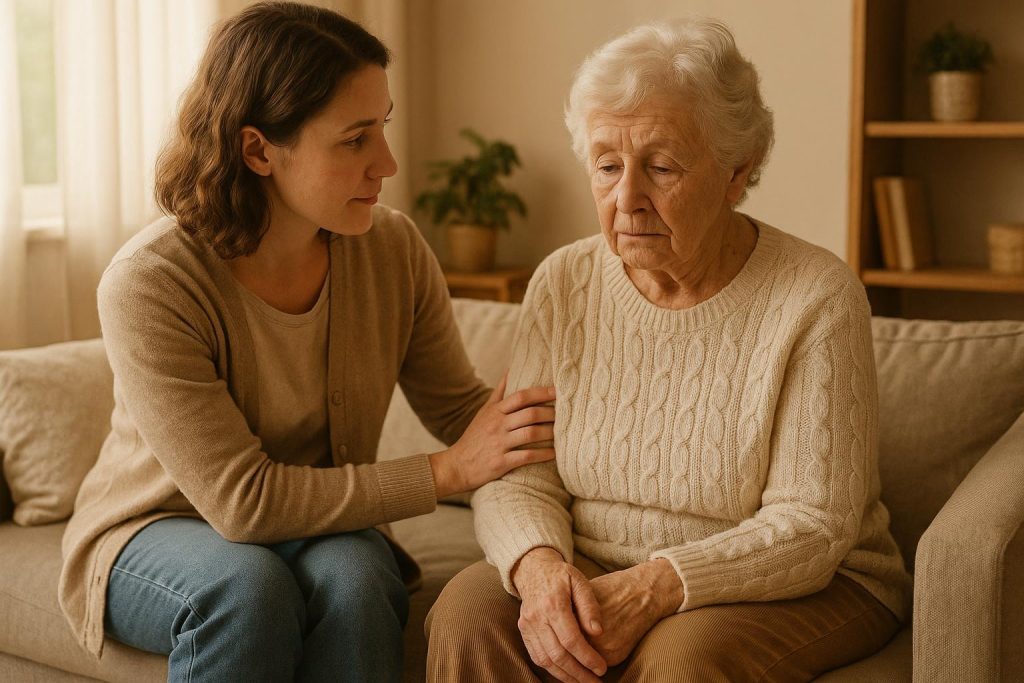
Understanding Specialized Care for Memory Loss
Memory loss can present challenges in a senior’s daily life, and trusted caregivers play a vital role in supporting older adults through these changes. Whether an individual is in the early stages of dementia or experiencing more advanced memory-related conditions, specialized care can help preserve dignity, routine, and a sense of independence. By offering both practical assistance and emotional support, caregivers trained in dementia care seek to lessen confusion, reduce stress, and create a comforting environment for seniors to continue living a fulfilled life at home.
Why Specialized Caregivers Are Essential
Traditional caregiving services often provide essential support with daily tasks, but specialized caregivers for memory loss go further by focusing on cognition, communication, and emotional well-being. They understand the specific symptoms and safety considerations tied to conditions like Alzheimer’s or other forms of dementia. For instance, they know how to approach moments of disorientation with calm reassurance, using gentle reminders and consistent routines to minimize anxiety. Their training and empathy can be especially valuable when a senior experiences agitation or confusion. In these situations, dedicated professionals with a background in memory care can foster a sense of comfort, helping older adults feel less overwhelmed in their own homes.
Key Components of Memory Care
Memory care involves more than just medical insights. It focuses on recognizing the unique needs of a senior’s mental, emotional, and social well-being. Some core elements include:
- Communication Techniques: Specialized caregivers practice speaking calmly and using short, clear phrases to help a senior with dementia stay oriented. They understand the power of body language, tone of voice, and eye contact. These strategies reduce frustration and help build trust in everyday interactions.
- Safety and Security: Many older adults living with memory loss have a tendency to wander or become disoriented, which may put them at risk of falling or getting lost. Skilled caregivers apply preventive measures—such as ensuring doors are secured and walkways are clear of hazards—to maintain a safe environment.
- Routines and Familiarity: Predictable schedules and established daily tasks can be comforting for those living with memory conditions. By integrating familiar activities, caregivers help maintain a sense of routine and reduce the possibility of confusion.
- Therapeutic Engagement: Meaningful engagement supports cognitive function and mental stimulation. Activities like puzzles, conversation, simple exercise, or even listening to favorite music can be adapted to match a senior’s abilities, leading to positive emotional benefits.
Laying the Foundation for Dignity and Independence
One of the most important aspects of specialized caregiving is promoting a senior’s dignity and independence. Even if older adults need assistance to get dressed, have meals, or stay oriented throughout the day, they can still be involved in small decisions and tasks. Trained caregivers encourage seniors to participate in the care process as much as possible. For example, instead of simply choosing clothes for a senior, a caregiver might offer two options so that the individual retains a sense of control. This supportive approach respects the person’s preferences while ensuring their safety and well-being.
Remaining in a familiar setting, such as home, can play a huge part in maintaining continuity. Oftentimes, the familiarity of a cherished environment, treasured photographs, or favorite furniture can help reduce disorientation. Memory triggers in personal surroundings can also lessen anxiety, thereby helping seniors adjust better to changes in their mental capacity.
Addressing Daily Challenges
Memory loss can affect day-to-day tasks, from preparing meals to managing personal hygiene. Specialized caregivers assist with:
- Personal Care and Hygiene: Helping with bathing, grooming, or dressing can be sensitive. Skilled professionals know how to keep these tasks comfortable and respectful, maintaining a senior’s dignity. If you are curious about different types of assistance, our Personal Care services page can offer insights into daily living support.
- Medication Reminders: Older adults with memory loss may have difficulty recalling whether they took a pill or understanding when and how to take medications. Specialized caregivers can provide timely reminders to ensure compliance with physician recommendations.
- Meal Preparation: Proper nutrition is crucial for health, but seniors with dementia may forget to eat, skip meals, or struggle to cook. By preparing balanced meals and offering gentle cues to eat, caregivers help maintain a regular diet and reduce nutritional risks.
- Household Tasks: Light housekeeping, laundry, and organizing are often part of a caregiver’s responsibilities. These tasks ensure that a senior’s environment remains tidy, comfortable, and conducive to peace of mind. Services like Home Support can help keep a household running smoothly.
Approaching each task with patience and empathy is vital, especially when a senior feels overwhelmed or confused. By creating a calm environment and proceeding at a comfortable pace, caregivers offer reassurance and build confidence.
Companionship and Emotional Support
Aside from practical assistance, skilled caregivers act as companions. They engage seniors in one-on-one activities that spark conversation and foster social interaction. Simple outlets such as reminiscing about childhood stories, looking at old photographs, or working on arts and crafts can be meaningful ways to connect with someone experiencing memory loss. Maintaining these social connections can hold significant emotional value, helping individuals feel understood and appreciated.
Moreover, specialized caregivers often learn ways to guide seniors away from feelings of frustration. The journey of memory decline can cause confusion, mood swings, or fear of the unfamiliar. Through consistent communication, genuine listening, and an upbeat but empathetic attitude, caregivers can help ease stress for both the senior and their loved ones.
Building a Safe and Structured Environment
Safety is paramount for older adults experiencing memory loss. A specialized caregiver will focus on making the home environment as secure as possible. This includes conducting quick home safety checks, ensuring essential objects are clearly labeled or easy to locate, and reducing fall hazards. Additionally, they manage the risk of wandering by introducing measures such as locked cabinets, alarms on exterior doors, or rearranging furniture to create unobstructed pathways.
Establishing predictable daily routines can further reduce anxiety for seniors with dementia. Consistent wake-up times, meal schedules, and bedtime rituals help them know what to expect and minimize confusion. A caregiver might include planned activities such as gentle exercises, story reading, or calm music sessions to stimulate mental engagement and encourage familiarity throughout the day.
Respite Care for Family Caregivers
Supporting a loved one with memory loss can be a full-time responsibility for family members, especially if they are balancing jobs, household tasks, or other commitments. Over time, the demands of caregiving can lead to burnout or stress. That’s why respite services are crucial. They allow family caregivers the chance to rest, take a vacation, or simply handle personal responsibilities with the reassurance that their loved one is safe and comfortable. Respite Care options can range from a few hours to longer periods of relief, providing short breaks or temporary coverage.
By reaching out for respite care, families can maintain their own health and well-being. This ensures they have the energy and emotional capacity to continue providing essential support to their loved ones. In some cases, respite care can also be a stepping stone to more comprehensive services—especially if a senior’s memory condition progresses and more frequent professional intervention becomes necessary.
Specialized Care for Each Stage of Dementia
The journey of memory loss is often unique to each individual. In the early stages of dementia, a specialized caregiver might concentrate on establishing supportive habits, assisting with routine tasks, or helping to organize medical appointments. This early involvement can be crucial in maintaining a senior’s independence and keeping them engaged with social activities as long as possible.
As memory decline progresses, the caregiver’s role can intensify. They may devote more time to ensuring safety and managing tasks like bathing, toileting, or mobility support. For individuals who become increasingly confused or disoriented, a calm, reassuring presence can greatly reduce agitation. In advanced stages, specialized caregivers place emphasis on comfort, clear communication, and preserving quality of life through consistent engagement, kindness, and gentle guidance.
Collaborating with Families
Family members throughout Edmonton and surrounding communities often choose to work closely with specialized caregivers to develop personalized care plans that suit not only the senior’s immediate needs but also future considerations. Collaboration between the caregiving team and the senior’s loved ones ensures that care remains person-centered. Input from those who know the senior best makes it possible to recognize unique triggers, favorite memories, and comforting routines. This information is essential for tailoring the type of support provided.
Caregivers can also help families by offering insights on how to best handle challenging behaviors or mood changes at home. By sharing techniques that reduce stress and improve communication, families are empowered to become more effective partners in care. Ultimately, a united network of support benefits the senior and reduces feelings of isolation or overwhelm for family caregivers.
Additional Considerations for Holistic Care
Beyond the immediate tasks of daily living, specialized caregivers for seniors with memory loss often coordinate with other healthcare professionals, such as occupational therapists or trusted nursing providers, to ensure a comprehensive approach to wellness. Older adults with more complex health requirements might benefit from additional services like Nursing Care or specialized interventions. While non-medical caregivers do not diagnose conditions, they can observe changes in a senior’s behavior or appetite and communicate these changes to family members or medical professionals as needed. This team-based mindset reinforces holistic well-being.
Memory care is an ongoing process that may evolve over time, requiring adjustments to schedules, additional support hours, or specific interventions. With trained eyes and compassionate hearts, specialized caregivers quickly recognize when modifications are needed, ensuring that seniors receive consistent, reliable in-home support even as their needs intensify.
How to Recognize High-Quality Specialized Care
Finding the right caregiver for your loved one involves more than just checking availability. Consider factors such as accreditation, thorough training in dementia care strategies, strong communication skills, and a commitment to respect each senior’s dignity. Ask about background checks, staff education, and whether the care provider emphasizes a personalized, flexible plan rather than a one-size-fits-all approach. It can also be helpful to see if the organization offers a range of services—it’s advantageous to work with a care team capable of adjusting to changing needs over time.
Additionally, trusted organizations are transparent about their policies, pricing, and care standards. They deliver empathy and professionalism while respecting a family’s unique concerns. You may also want to ask about same-day responsiveness, overnight support, or around-the-clock availability to ensure that your loved one will always have help if needed. If you’re looking for an overview of care options, consider browsing holistic Services that address multiple facets of aging-in-place support.
Maintaining Quality of Life at Home
For many seniors experiencing memory loss, home remains a place of familiarity and security. Judicious planning can sustain a sense of normalcy and belonging. Small actions like labeling doors or cupboards, providing consistent meal times, and providing visual reminders for important tasks can make a significant impact on daily comfort. Specialized caregivers help put these beneficial measures in place while guiding family members on how to replicate them during times when professional caregivers are not onsite.
Staying active in ways that are appropriate for a senior’s current abilities is another method of preserving quality of life. Music therapy, light physical exercises, or looking through a favorite photo album can all stimulate the mind and lift moods. The ultimate aim is to let older adults continue living a meaningful life, supported by understanding individuals who value their uniqueness.
The Value of Ongoing Support
Aging well is a journey, and memory loss does not have a simple one-time solution. However, specialized caregivers can consistently adapt to meet changing needs. They offer a blend of companionship, safety oversight, and personal care that becomes increasingly vital as dementia progresses. This commitment to a person’s overall well-being can alleviate anxiety for loved ones who want their family member to remain living safely at home for as long as possible.
Beyond direct caregiving, agencies offering tailored memory care services often serve as a point of contact for families, helping them navigate resources and plan for future needs. If a senior with memory loss requires more advanced support, caregivers can facilitate the transition to additional levels of care or coordinate with healthcare professionals. The shared goal is ensuring continuity, so that seniors feel at ease and supported every step of the way.
Considering Your Next Steps
If you suspect your loved one is showing signs of dementia or another memory-related condition, or if you are already caring for a senior who needs specialized support, it can help to reach out for a consultation. Trained caregivers can collaborate with you to build a reliable framework of assistance, from medication prompts and daily tasks to companionship and structured engagement. Having the right help in place not only benefits a senior’s comfort and emotional well-being, but can also prevent risks and lessen caregiver stress.
Taking the time to explore contact options for professional caregivers can be an important decision that brings immediate peace of mind. Whether your loved one is in the early stages or dealing with more pronounced memory challenges, specialized caregiving offers individualized attention, genuine warmth, and routines tailored to your senior’s preferences. Throughout it all, your goal remains the same: to maintain a life of dignity, independence, and stability in the place they call home.
By choosing caregivers trained in dementia care, you nurture an environment where older adults with memory loss can feel valued, safe, and understood every day. During challenging moments, the trust and familiarity these professionals provide can make a lasting impact on a senior’s quality of life—and reassurance for family members who want the best possible support. Memory loss does not have to overshadow daily experiences. With specialized and consistent in-home support, aging adults can truly age out loud, preserving cherished routines and personal identity, even as they navigate the unique journey of memory decline.

