
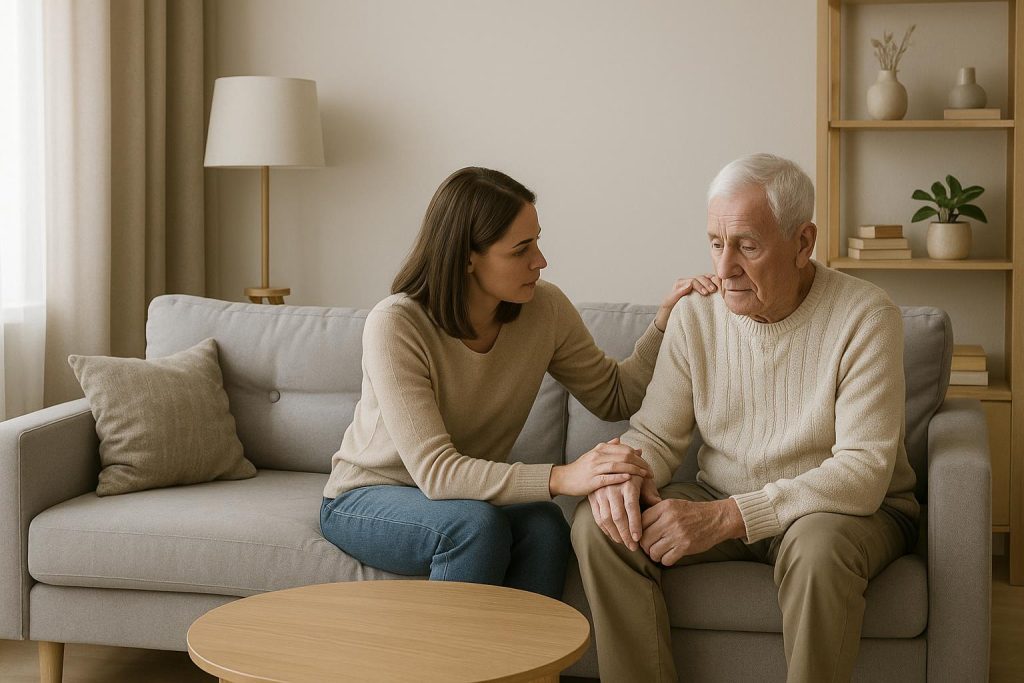
Understanding Palliative Care for Pain and Discomfort
Palliative care is a specialized approach to care that focuses on easing pain, minimizing discomfort, and enhancing the overall quality of life for individuals experiencing a serious illness. Rather than concentrating solely on curing a condition, this type of care is geared towards providing relief from physical, emotional, and spiritual stressors that can arise when facing advanced or complex health challenges. It is guided by the philosophy that each individual should maintain as much dignity, independence, and personal choice as possible, even in the presence of chronic or life-limiting conditions.
This comprehensive form of support has become increasingly recognized as a vital component of modern healthcare. Whether aging at home or managing a chronic condition, many people find palliative care brings them peace of mind, helps maintain independence, and enables a better quality of everyday life. In many cases, it works in tandem with other forms of medical intervention. As a result, palliative care can serve as a crucial link between an individual, their loved ones, and various healthcare professionals, all working together to support comfort and convenience.
What Does Palliative Care Involve?
At its core, palliative care zeroes in on symptom relief and patient-centered goals. Teams providing palliative care generally include physicians, nurses, social workers, therapists, and sometimes spiritual counselors, each playing a role in identifying the most effective ways to manage physical pain and related symptoms. The holistic nature of palliative care makes it suitable for individuals dealing with conditions such as cancer, cardiac failure, advanced respiratory diseases, dementia, or neurological disorders, though it can be tailored to a wide range of other illnesses too.
Palliative care often includes:
- Holistic Pain Management: This encompasses medications, adjustments to dosage schedules, and complementary therapies that help alleviate discomfort without compromising independence.
- Emotional and Spiritual Support: Through counseling, guided relaxation, or spiritual care, individuals and their families can find solace in knowing they have support that goes beyond medication alone.
- Symptom Control: Symptoms like nausea, fatigue, shortness of breath, or anxiety often accompany severe or chronic illnesses. Palliative care aims to mitigate these challenges so that people can continue with daily life as comfortably as possible.
- Open Communication: Ensuring the individual, family members, and care teams remain on the same page. By doing so, palliative care effectively respects personal preferences, anticipates changing needs, and fosters a sense of partnership throughout the care journey.
This blend of services seeks to reflect the person’s unique preferences and goals. It’s not about a one-size-fits-all approach; every individual’s condition and comfort level is different, so palliative care tailors its strategies accordingly. What remains consistent is the emphasis on understanding the whole person—physical needs, emotional well-being, and spiritual concerns.
Focusing on Comfort: How Pain Is Addressed
For many, the primary question about palliative care is: “How can it help manage pain and discomfort effectively?” While there is no single answer for everyone, the wide range of interventions available within palliative care allows professionals to craft a personalized plan of care. Pain management often starts with a thorough review of medical history, current treatments, and lifestyle factors. A deeper understanding of the individual’s day-to-day experience helps the care team identify patterns of pain, triggers, and potential methods of relief.
Medication use is frequently modified over time. For instance, dosages may be adjusted to provide better coverage for episodes of pain or to minimize side effects such as drowsiness and digestive upset. Additionally, palliative care can integrate non-pharmacological interventions. These might be relaxation techniques, breathing exercises, positioning strategies, or even specialized equipment that makes essential activities less tiring. The overarching objective is to ensure that pain—from mild aches to more intense discomfort—is addressed in a way that prioritizes both comfort and a sense of self-sufficiency.
The Role of Non-Pharmacological Methods
Non-pharmacological methods help broaden the scope of relief beyond what medication alone can offer. Techniques like massage, gentle stretching, and topical treatments can ease tension in muscles and joints, reducing discomfort. For some individuals, music therapy, art therapy, or other creative outlets can serve as an emotional release that indirectly diminishes pain by helping them focus on pleasurable or soothing activities.
Particularly helpful are guided relaxation and breathing exercises, often taught by professionals who specialize in stress reduction. Stress and anxiety can amplify an individual’s perception of pain, so these strategies aim to calm the mind and relax the body. This holistic approach goes hand-in-hand with medication adjustments to provide layers of comfort and support that adapt as needs evolve.
Supporting Emotional and Spiritual Well-Being
When confronted with serious illness, discomfort is not solely physical. Some people may face uncertainty, fear, anxiety, or depression, all of which can exacerbate the sensation of pain. Palliative care teams typically recognize that addressing emotional and spiritual well-being can have a substantial impact on one’s overall quality of life. Having resources at hand—such as counseling sessions, faith-based support, or even group meetings with peers who share similar experiences—can bring immense relief.
Emotional support might involve consistent check-ins from social workers or mental health professionals to address questions or worries as they arise. These sessions can be integrated into the care schedule alongside pain management interventions. By creating a network of support, palliative care ensures that people are not left to handle stress alone, which is crucial for staying positive and reducing emotional distress.
The Importance of Open Communication
A vital aspect of palliative care is continuous and open communication with everyone involved. Care providers regularly talk with individuals and their families about how well existing treatments are working, if pain levels are under control, and whether any new symptoms are appearing. This constant flow of information helps the care team react swiftly when something changes, whether that’s an escalation in discomfort or a new diagnosis that emerges over time.
Regular communication also fosters transparency, trust, and dignity. Individuals and their families feel empowered to voice their preferences about what matters most—be it maintaining mobility, feeling secure at home, or spending quality time with loved ones. By listening and adapting the care plan accordingly, palliative teams make sure that support remains consistently aligned with personal wishes. From reviewing medication schedules to determining if alternative or complementary therapies might help, frequent communication is an engine that keeps palliative care responsive and personal.
Collaborative Care Teams
Palliative care is rarely a solo endeavor. Physicians consult with nurses, social workers, therapists, and in some cases, chaplains or other spiritual counselors. This interdisciplinary approach helps address day-to-day challenges, such as adjusting medication dosages, as well as longer-term needs like connecting individuals and families to community resources for emotional or social support. For example, a registered nurse might make frequent home visits to monitor pain levels and check that the individual is comfortable with the current regimen, while a social worker could assist in coordinating transportation to medical appointments or linking the family to local support programs.
Part of this collaboration may involve personal care teams who can help with daily tasks such as bathing, dressing, and meal preparation if mobility is limited. Ensuring that these routines are approached with respect to personal dignity and comfort can significantly alleviate both pain and stress. If more intensive health care services become necessary, nursing care might offer in-home monitoring and professional medical oversight, blending seamlessly with any existing palliative treatments.
Practical Ways to Promote Comfort at Home
For those receiving palliative care, small lifestyle adjustments can make a substantial difference in managing pain and discomfort. Simple measures like adjusting living spaces to be more accessible, rearranging furniture to reduce the risk of falls, and using specialized mattresses or chairs can all contribute to greater comfort throughout the day. Proper nutrition and hydration also play an underappreciated role in pain management, since being well-nourished often boosts overall energy levels and resilience, making it easier to cope with daily challenges.
Sometimes, specialized devices or mobility aids can play a vital role in prolonging independence. Whether it’s a walker, wheelchair, or grab bars installed in key areas of the home, palliative care for pain management often dovetails with strategies that reduce physical strain. These simple but impactful aids allow individuals to remain as engaged as possible in their usual activities, which can increase their sense of autonomy and emotional well-being.
Addressing Pain Beyond Physical Ailments
Palliative care acknowledges that feelings of discomfort can extend beyond the physical realm. Anxiety or depression might worsen the experience of pain, creating a cycle that is hard to break with medication alone. That’s why mental health support is a central pillar of effective palliative care. A variety of therapeutic methods address psychological stress, including counseling, mindfulness techniques, and even the involvement of pet therapy in certain programs.
This approach also respects that spiritual struggles can arise in the context of a serious illness. Individuals may grapple with questions about meaning, purpose, and loss. Spiritual counselors, chaplains, or faith leaders offer reassurance, guidance, and empathy without judgment. They can assist with traditions and rituals that bring peace, or simply lend an ear to help individuals process any changes to their sense of identity brought on by illness.
When to Consider Palliative Care
Many people mistakenly believe that palliative care is reserved solely for end-of-life situations. However, it can be introduced far earlier in the course of an illness. Indeed, starting palliative care at an earlier stage often leads to better pain management, reduced emotional distress, and fewer hospital admissions. It can be layered alongside curative treatments for conditions like cancer or heart disease, providing consistent relief and robust support even as medical therapies evolve.
If you or a loved one is dealing with chronic pain, complex health needs, or apparent difficulty coping with daily tasks, it may be time to consider palliative care. Engaging a professional care team as soon as you notice worsening symptoms or decreases in quality of life can help prevent escalation of pain and emotional challenges. Rather than waiting until a crisis occurs, a proactive approach can lessen stress for everyone involved.
Tailoring Care with Independence in Mind
Alongside its clinical benefits, palliative care is grounded in the principle of respecting personal choice and supporting independence. A such approach means care plans are developed collaboratively, ensuring daily routines remain intact as much as possible. For instance, individuals who prefer to handle certain tasks on their own are encouraged to do so, while their caregivers stand ready to step in when needed. This balance of autonomy and support not only preserves a sense of dignity but can also help minimize the frustration associated with feeling overly reliant on others.
Professional caregivers focus on building trust and open communication, creating an environment where the physical and emotional aspects of pain management can be addressed without stigma or fear of judgment. By centering on each person’s unique strengths and capabilities, palliative care endeavors to maintain a sense of normalcy, giving individuals the reassurance that they remain in control of their own lives to the fullest extent possible.
Seeking Additional Services
For some, palliative care may serve as a gateway to supplemental forms of in-home assistance if their condition warrants more continuous or specialized attention. This might include nursing care for tasks like wound management, medication administration, or ongoing monitoring of vital signs. There could also be situations where personal care support or nursing care services can synergize with existing palliative measures. By broadening involvement to other professionals, families can be confident that multiple angles of the individual’s well-being are being effectively addressed, from nutritional support to mobility and beyond.
With a fully accredited provider, such as Infinity Healthcare, these extra layers of care can often be coordinated seamlessly, ensuring a consistent experience. When everyone communicates regularly, the combination of comfort-focused care with other supportive services helps create an environment that is stable, fulfilling, and safe. Having an option to integrate additional services doesn’t just mitigate pain; it also relieves the burden on family caregivers, who might otherwise struggle to meet all of a loved one’s needs on their own.
A Holistic Experience of Comfort and Peace of Mind
Ultimately, palliative care aims to create an environment in which individuals living with complex or serious illnesses can continue to enjoy meaningful moments. By blending pain management techniques, emotional and spiritual counseling, practical home support, and open dialogues, palliative care recognizes that pain entails more than physical discomfort. It commits to addressing all factors that contribute to a person’s distress.
Whether one is seeking relief from chronic pain, exploring ways to stay independent at home, or simply hoping to improve day-to-day comfort, palliative care is a partnership rooted in dignity, respect, and genuine compassion. If you’re curious about how to get started or whether palliative care might help ease discomfort for you or a loved one, don’t hesitate to speak with a qualified professional. Open conversations are the first step toward a clearer understanding of available resources and the creation of a personalized plan that works for your needs.
In many cases, taking the step to learn more about palliative care can bring immediate reassurance. Knowing that you or your loved one can count on a dedicated team of caregivers, medical professionals, and support staff offers peace of mind at a time when uncertainty can feel overwhelming. Whether offered through periodic visits or more continuous assistance, palliative care fosters an environment where people can thrive at home, maintaining as much control over their daily routines as possible. By uniting expert pain management, holistic well-being, and a commitment to independence, palliative care stands as a powerful means to lessen discomfort and improve overall outlook, one day at a time.

