
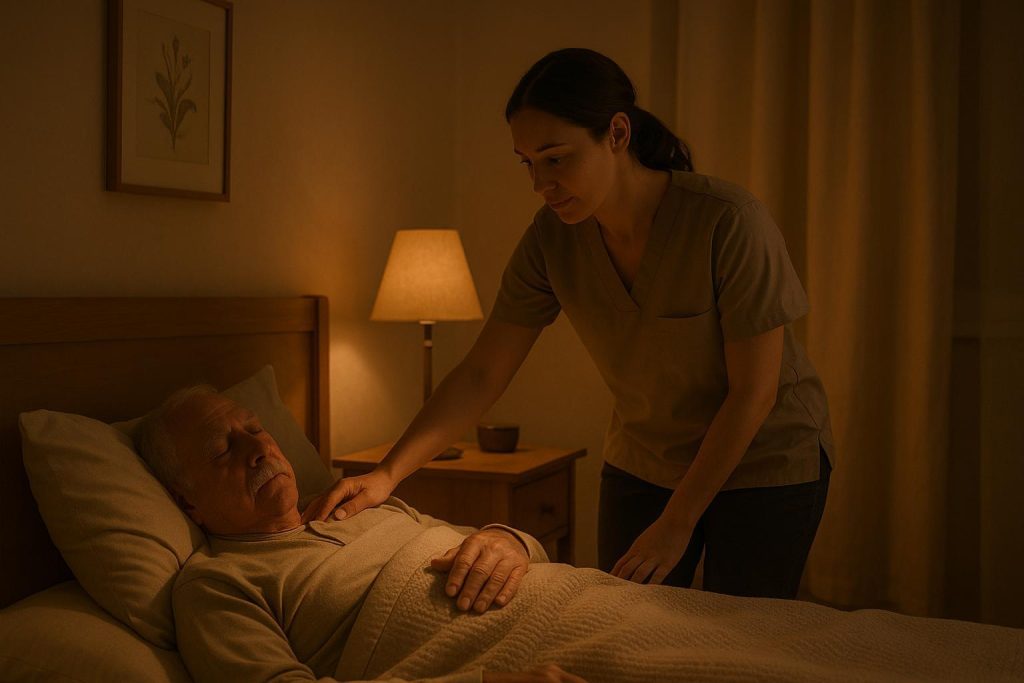
Understanding Overnight Care and Sleep Options
Overnight care is an essential support service for individuals who need assistance and reassurance throughout the night, whether due to age, disability, cognitive conditions, or other health considerations. Families often wonder how overnight carers manage sleep or whether they remain awake the entire time. The answer varies based on the level of assistance required, personal preferences, and care arrangements. Some caregivers are fully alert for waking night shifts to address frequent needs or emergencies in real-time, while others provide sleeping night coverage but are on-call if the individual awakens and requires support.
What Exactly Is Overnight Care?
Overnight care generally refers to any care and supervision provided during the late evening and overnight hours. This includes checking in on individuals, assisting with tasks like repositioning, offering medication reminders, or helping someone get in and out of bed. Overnight care can be set up in different ways and is selected based on a person’s unique needs. For example, older adults who awaken multiple times during the night may need a carer who remains fully awake, ready to help. Others, who typically sleep through the night but want the security of knowing someone is close by if they need assistance, may find that sleeping night coverage works well.
Many older adults or individuals with disabilities prefer to remain at home in surroundings that feel familiar and comfortable. Overnight care, whether waking or sleeping, can enable them to preserve greater independence and dignity. Having an experienced, compassionate caregiver overnight can mean the difference between a restless night marked by fear or worry and a safer, more positive experience. By ensuring someone is always available to help with unexpected challenges, overnight care reduces stress for both the individual and their family members.
Waking Night Care: For Continuous Oversight
A waking night shift involves a caregiver who is awake and actively supervising the client all night long. This form of support is best suited to those who need frequent check-ins, assistance, or monitoring. Common reasons someone might need waking night care include:
- Frequent Bathroom Visits: Some individuals must use the bathroom multiple times, needing help transferring to and from their bed or ensuring they remain safe from falls.
- Medication Management: Certain medical conditions require nighttime medication. A waking caregiver can provide timely reminders and ensure doses are taken correctly.
- Nighttime Anxiety or Wandering: Dementia or cognitive decline can cause confusion, disorientation, or wandering during nighttime hours. Having a fully awake caregiver reduces risks and provides reassurance.
- Chronic Pain or Mobility Issues: Repositioning or adjusting supports may be needed to keep someone comfortable through the night.
Waking night care is often recommended when mobility, safety, or complex health needs present a consistent risk. A fully alert caregiver provides continuous oversight, enabling quick response to any changes in condition. This arrangement can be especially beneficial for families worried about their loved one’s well-being if they wake frequently or exhibit behaviors that require immediate attention.
Sleeping Night Care: On-Call Assistance
Sleeping night care, by contrast, positions a caregiver in the home to rest during overnight hours, but they are available for immediate support if the client needs assistance. This arrangement suits individuals who generally sleep soundly and do not expect frequent help during the night. However, it still provides peace of mind to families and individuals alike. In many cases, a sleeping night caregiver will rest in a nearby bedroom or a designated sleeping area, ready to respond if needed. They might be called upon for:
- Assisting with a trip to the bathroom
- Providing reassurance if someone experiences confusion or anxiety upon waking
- Helping them settle back into bed after a brief disturbance
Given that the caregiving demands at night may be minimal in these scenarios, sleeping night care can be cost-effective while maintaining a sense of security. Families often find relief in knowing that although the caregiver is not awake all night, help is available at a moment’s notice if the individual awakens.
The Role of Overnight Carers in Promoting Independence and Dignity
Overnight carers do more than just remain present; they foster independence, respect, and personal choice for the individual receiving care. Because home is where life happens, providing consistent and reliable in-home support allows for:
- Maintaining Familiar Routines: Whether the person enjoys reading before bed or needs a comforting snack, caregivers tailor support around familiar evening rituals.
- Personalized Care: From preference of sleeping arrangements to the level of assistance needed, overnight care is designed to respect each person’s unique needs.
- Peace of Mind: With a trusted caregiver nearby, individuals can rest more soundly, confident that someone they trust is available to help if needed.
- Safety and Fall Prevention: An overnight caregiver can help keep pathways lit, ensure mobility aids are accessible, and assist with safe repositioning.
By focusing on dignity and independence, overnight care becomes a vital extension of daily in-home support. Instead of feeling vulnerable at night, older adults or individuals with special needs can continue aging on their terms, knowing that assistance is within reach.
What Do Overnight Caregivers Actually Do?
Specific roles and responsibilities vary, but common tasks overnight caregivers take on include:
- Response to Nighttime Calls: If the client consistently wakes or needs help turning, transferring, or using the restroom, the caregiver is there to assist.
- Monitoring Safety: A vigilant caregiver helps prevent wandering, especially if the client experiences disorientation or is prone to falls.
- Medication Reminders: While nighttime medications might be infrequent, many families appreciate having a caregiver confirm the right dosage at the correct time.
- Light Household Tasks: In some arrangements, caregivers may help tidy the home, manage laundry, or do light chores if the client is resting.
- Morning Routines: When morning arrives, caregivers can provide a comforting transition to the new day by assisting with personal hygiene, dressing, breakfast preparation, and any other start-of-day tasks.
These duties ensure that individuals feel supported around the clock, even when they are asleep. The presence of a calming, reassuring support figure fosters trust and security in the home environment, allowing everyone to sleep more restfully.
Who Benefits Most from Overnight Care?
Overnight care can serve a variety of needs. Families who live separately from older relatives may worry about what happens after dark if their loved one is prone to confusion, insomnia, or mobility issues. Individuals recuperating at home after surgery could also benefit from overnight assistance during the recovery process. Moreover, those living with chronic conditions, such as dementia or Parkinson’s disease, may require consistent monitoring. Having someone on-site not only benefits the client but also eases the concern and stress family caregivers may feel, especially if they are balancing jobs or personal responsibilities and cannot stay up all night.
There is equal value for family caregivers who need rest themselves. Providing around-the-clock supervision for a loved one can be extremely taxing and lead to burnout. Overnight caregiving from a trusted provider can allow family members to sleep well, go to work without worry, and replenish their own energy. This arrangement is ultimately about creating a safer, more supportive living situation for everyone involved.
Holistic Care: Combining Overnight Support with Other Services
Overnight care is often complemented by other in-home services. Many families choose to bundle personal care, home support, or respite care to ensure comprehensive coverage. Common daytime services that go hand-in-hand with overnight assistance can include:
- Meal Preparation and Nutrition: Offering balanced meals, snacks, and hydration support during daylight hours.
- Housekeeping and Errands: Helping create a clean, organized environment that reduces risks of falls or accidents.
- Companionship: Spending quality time with older adults or individuals with disabilities, engaging in conversation and shared pastimes.
- Transportation: Assisting with trips to medical appointments or community engagements.
By partnering daytime services with overnight support, families can access a seamless, 24/7 approach that adapts to each person’s changing needs. This allows many individuals to continue living at home in comfort, reflecting the principle of empowering independence and preserving dignity.
Deciding Between Waking and Sleeping Night Support
When weighing which overnight care arrangement is best, consider these questions:
- How Often Do You Need Help During the Night? If the individual frequently calls out for assistance or experiences pain or restlessness, a waking night caregiver may be most beneficial. If nighttime interactions are rare, sleeping night coverage could suffice.
- What Level of Safety Monitoring Is Required? Someone prone to falls, confusion, or wandering might require a fully awake caregiver.
- Are Interruptions or Disturbances Expected? Conditions such as dementia can create patterns of nighttime agitation. If so, a waking carer can offer immediate, hands-on support.
- What Is the Budget? While waking night care can be more intensive, sleeping coverage can be more cost-effective if needs are minimal.
It is always advisable to discuss needs with a qualified in-home care provider. A professional care assessment can highlight any factors that make waking night care either essential or optional. Flexibility is also key—some families start with sleeping coverage to test if that meets their requirements and later shift to a waking night arrangement if the individual’s condition evolves.
Planning for Peace of Mind
Whether someone has difficulty sleeping without reassurance, or needs specialized support through the night, personalized overnight care offers peace of mind. Family members can rest in the knowledge that there is a reliable presence in the home to address concerns or emergencies. For individuals receiving care, knowing they can remain in their own home—often surrounded by familiar keepsakes and routines—supports independence, dignity, and a sense of normality. Meanwhile, many caregivers also provide emotional support, presenting a friendly face throughout the evening, fostering companionship and warmth.
From a practical standpoint, overnight carers can also help set up the bedroom space optimally. They might adjust pillows, curtains, and lighting to create a calming atmosphere that promotes better rest. In the morning, they can assist with hygiene, switching on favorite music or preparing a light breakfast to ease into the day gently.
How to Begin with Overnight Care
Families or individuals interested in this kind of support can start by creating a clear list of overnight care needs. This might include details such as how frequently the person wakes up, any medication schedules, known bedtime routines, and other relevant healthcare considerations. Having these specifics at hand makes it easier for the care provider to recommend an appropriate solution. An effective plan includes:
- Understanding Medical Conditions: If applicable, share medical directives or notes from healthcare professionals that outline potential nighttime issues.
- Assessing Habitual Routines: Is a glass of water kept by the bedside? Does your loved one prefer to read or watch TV at night? Gathering these preferences helps the caregiver personalize their approach.
- Scheduling a Home Care Consultation: This allows you to discuss your needs with trained professionals who can offer guidance on solutions, from comprehensive services to respite care options.
Prioritizing open communication is key to arranging effective care. Families should feel comfortable voicing concerns or changing the schedule if a particular arrangement does not meet a loved one’s evolving needs. Overnight care can be adjusted as an individual’s condition progresses or if care demands lessen over time.
Complementary Services for Long-Term Well-Being
An overnight caregiver is often one piece of a more complete in-home care puzzle. Additional support might encompass:
- Accessible Daytime Assistance: Utilizing a personal care provider for help with bathing, dressing, or errands ensures continuity of support.
- Respite for Family Caregivers: Relieving loved ones who offer day-to-day assistance can prevent burnout and ensure a practical balance between caregiving and personal responsibilities.
- FSCD Care for Children: Households with children who have disabilities may benefit from a combination of daytime and overnight care to maintain stability and routine.
- 24/7 Coverage: Some circumstances warrant round-the-clock coverage, pairing daytime and overnight caregivers so there is always someone present.
By integrating multiple services, families maintain a flexible structure that emphasizes dignity, respect, and personal choice at every hour of the day and night.
A Partner in Overnight Care
Working with an accredited home care provider strengthens the sense of security families feel. With trusted and trained caregivers who uphold rigorous quality standards, families can anticipate compassionate support rooted in client-centered principles. A respectful brand voice and caring ethos should underscore every interaction. Ultimately, the goal is not only to keep individuals safe but also to empower them to thrive. Overnight care is part of the bigger picture of Age Out Loud—supporting independence, physical comfort, and emotional well-being so someone can continue living confidently in their own home.
Overnight care can help individuals remain actively involved in their lives—a crucial point for those who cherish daily routines and personal interests. Rather than seeing nighttime hours as a vulnerable period filled with uncertainty, people can experience a peaceful environment where a caregiver is on hand to offer practical or emotional support when needed. This can have a profound impact on mood, sleep quality, and overall sense of independence in the long run.
Next Steps
If you or a family member is exploring overnight care, consider consulting a professional caregiver or home care provider for a thorough assessment. By discussing the individual’s nighttime habits, medication schedules, mobility requirements, and emotional support needs, you can determine the best setup—whether that is a waking night shift, a sleeping night shift, or a tailored hybrid approach. From there, a personalized plan can be created to ensure safety, comfort, and dignity throughout the night.
Overnight care can look different for every individual, so do not hesitate to seek a solution that meets both medical needs and personal preferences. Some families only need overnight services temporarily while recovering from surgery or transitioning between care environments, while others appreciate it as a long-term safeguard. Whatever your reason, overnight care provided by a caring, understanding professional can deliver peace of mind and help you rest easier.
To learn more about comprehensive options that fit your family’s needs, you may wish to explore our Services page or reach out through our Contact page. This way, you can inquire about the different kinds of overnight, respite, or continuous care that facilitate aging at home safely and comfortably.
Ultimately, the question “Do overnight carers sleep?” depends on the type of overnight support determined by each person’s requirements. Whether the caregiver stays awake all night or rests until needed, overnight care can be a lifeline for those seeking to maintain independence while ensuring help is there if they need it. With a trusted care plan in place, individuals can focus on living fully, day and night.

