
The Role of Palliative Care in Promoting Comfort and Well-Being at Home
Palliative care is an approach dedicated to helping individuals who face serious or advanced health conditions enjoy a better quality of life by addressing symptoms, discomfort, and emotional stress. Unlike exclusive medical treatments that may focus narrowly on specific illnesses, palliative care takes a holistic path—considering not only physical pain but also the emotional, social, and spiritual impact of illness. Increasingly, families and individuals are opting to receive this specialized type of care at home, where familiar surroundings can foster a sense of security and relaxation. By integrating various supportive measures—from pain management to mood-lifting activities—this comfort-focused care aims to bring relief, maintain dignity, and enhance independence wherever possible.
Understanding the Core Principles of Palliative Care
Many people hear the term “palliative care” and assume it is only for individuals at the final stage of life. In reality, it is much broader. While palliative care does encompass end-of-life support, it is suitable for anyone experiencing distressing symptoms or limitations from a chronic or progressive condition—whether it’s cancer, a degenerative disease, or complex cardiac or respiratory challenges. Its central objective is to relieve pain and discomfort while prioritizing a person’s quality of life. Palliative care professionals often work alongside other healthcare providers to coordinate treatments, medications, or therapies, ensuring that individuals can remain as active as they desire—not forced to give up favorite daily routines prematurely.
This approach also covers important elements like education and guidance for family caregivers, mental health support, and help in navigating medical decisions. By providing comprehensive information and emotional reassurance, palliative care can limit confusion or uncertainty about managing a complex health situation. Crucially, because it treats symptoms from a broad perspective, palliative care remains relevant throughout the course of a disease, not just at the final stage.
Why Home Is Often the Best Setting for Palliative Care
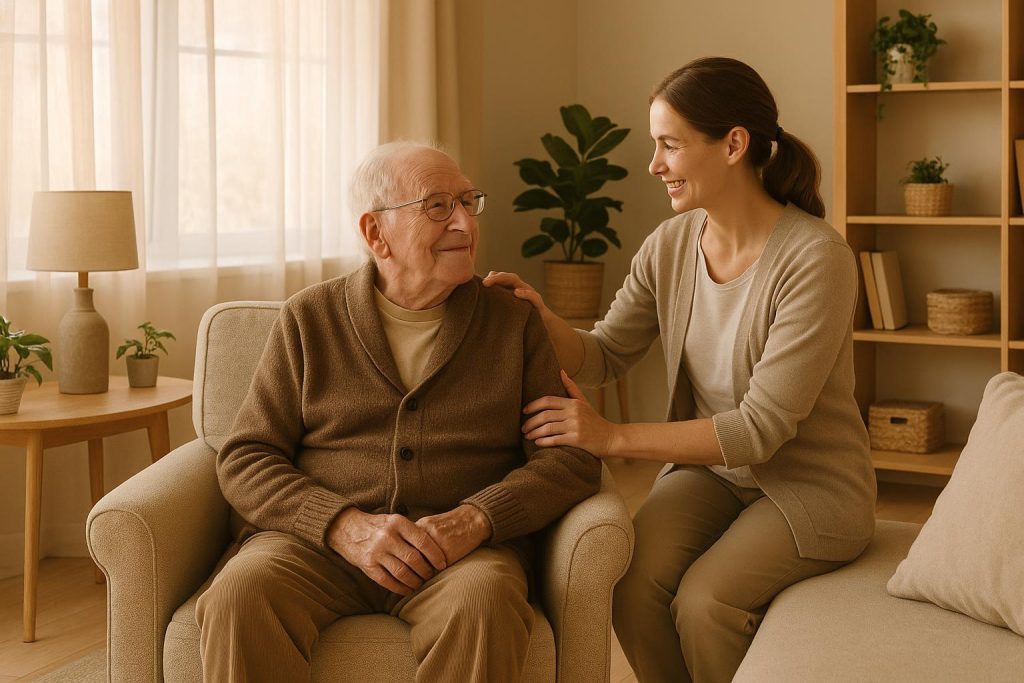
When someone is facing significant health concerns, the place they call home becomes a sanctuary. Being in familiar surroundings can bring solace in stressful times. Home-based palliative care enables individuals to stay in an environment where they feel most at ease, surrounded by personal items, family photos, and memories that boost morale. This comfortable environment can be particularly beneficial if someone’s daily routine has been upended by pain or limited mobility. Unlike clinical settings that may feel impersonal or restrictive, a home care approach can be adapted to each person’s schedule and preferences, empowering them to maintain a sense of independence. Common accommodations include setting up a specialized bed or chair in the area of the house that is easiest to access, adjusting lighting to reduce strain, or creating a quiet, calm zone for rest. These simple modifications can significantly improve a person’s day-to-day experience.
Beyond the physical layout, remaining at home often means closer interaction with friends, neighbors, and community members. This helps maintain social connections, even in the midst of illness. Family members, too, can feel relief knowing that professional support is available in a setting that feels more natural and convenient. Visits from healthcare providers, caregivers, or specialized nurses are scheduled to fit the individual’s lifestyle—minimizing stress and making it easier to address needs promptly.
Targeting Pain and Physical Discomfort
Effective pain management is arguably the most visible hallmark of palliative care. The care team will assess the individual’s pain level—whether it’s sharp, dull, constant, or occasional—and devise a plan that might involve:
- Medication Management: Adjusting prescriptions or balancing dosage schedules to optimize relief while minimizing side effects.
- Non-Medical Therapies: Techniques like light stretching, mild exercise, heat and cold therapy, or gentle massage can help ease aches and muscular tension.
- Relaxation Exercises: Guided meditation, mindful breathing, or visualization strategies are often used to help release tension, soothe nerves, and improve overall comfort.
A palliative care professional routinely collaborates with the primary physician or specialist to refine the approach if symptoms change. Because medications or supportive therapies need to be carefully balanced, having knowledgeable caregivers at home can expedite any necessary adjustments. They can identify side effects or new pain patterns quickly, enabling swift updates to the plan. This constant monitoring helps avoid lapses in symptom control, ensuring a more stable, comforting environment.
Emotional and Social Considerations
Coping with a chronic or advanced illness is as much an emotional and social journey as it is a physical one. Feelings such as anxiety, sadness, or uncertainty can heighten when someone is confined to bed or dealing with physical limitations. One of palliative care’s key strengths is its integrated attention to emotional wellbeing. The care team might recommend regularly speaking with a counselor, joining support groups, or engaging in creative activities that boost mood and self-esteem. In a home setting, this might involve rearranging schedules for relaxing hobbies or inviting friends for low-stress social visits. Having trusted caregivers present means there is always someone to discuss concerns with, whether they stem from pain, loneliness, or the challenges of adjusting to new routines.
Palliative care also extends to family members. Caregiving can be demanding and emotionally draining for loved ones. Providers often offer strategies to handle caregiver fatigue, stress, or burnout. For instance, respite care services—either short-term or for extended intervals—allow those caring for a family member to take a break while ensuring the individual’s needs are still met. This not only safeguards the loved one’s well-being but also supports the family’s capacity to remain a source of positive support and companionship.
Coordinating with Healthcare Teams
While palliative care is not the same as curative treatment, it works alongside existing medical interventions. Many individuals choose to combine palliative care with ongoing chemotherapy, dialysis, or rehabilitation programs. Collaboration ensures that there is a cohesive plan in place. This can look like:
- Frequent consultation with a person’s primary physician to review pain management strategies.
- Regular check-ins with any specialists, such as cardiologists or neurologists, ensuring medications align with broader treatment goals.
- Coordinating home support or personal care to assist with mobility, bathing, or meal preparation, especially on days when medical treatments are more taxing.
In-home care providers often act as a bridge between the individual, the medical team, and the broader support network. By offering consistent communication, they help families stay informed of any changes or new recommendations, creating peace of mind and reducing confusion.
Practical Ways to Reduce Discomfort at Home
Receiving palliative care at home typically includes a wide variety of practical measures that can ease day-to-day discomfort:
- Adaptive Equipment: Installing shower chairs, grab bars, or specialized mattresses. Even small modifications—like ensuring clear walkways—can significantly reduce stress and the risk of falls.
- Routine Adjustments: Shifting meal times or rest periods so they align better with changing energy levels. Balancing gentle exercise with adequate breaks is often key to overall comfort.
- Temperature Control: Maintaining a consistent indoor temperature can help those who are sensitive to the cold or heat. Layering clothing or using heated blankets can additionally soothe stiff muscles or joints.
- Mental Engagement: Activities like puzzles, reading, light gardening (if mobility allows), or guided online learning can improve the sense of purpose and reduce the focus on pain.
Each individual’s circumstance is unique, so palliative caregivers adapt these strategies to match specific needs. Often, they will do an in-home assessment, noting potential hazards, and suggesting changes to furniture arrangements or lighting. Similarly, daily tasks—such as dressing—might be broken down into simpler steps so the individual feels more in control and less overwhelmed.
Combining Palliative Care with Other Home Services
In many situations, palliative care overlaps with other in-home support services. For example, a combined approach might feature scheduled nursing care for medication administration, as well as companion care visits to provide a comforting presence and help with emotional needs. Additionally, families might explore respite care services to allow primary caregivers time to rest without compromising the patient’s comfort.
When a cohesive support plan includes multiple layers—personal care, nursing care, companionship, and palliative oversight—individuals receive more comprehensive, streamlined assistance. The team can coordinate tasks like bathing, medication reminders, and light housekeeping, ensuring that no aspect of daily life falls through the cracks. If mobility changes over time, the plan can be revised accordingly, adding more or fewer care hours. This flexibility is essential for long-term comfort and maintaining independence for as long as possible.
Respecting Individual Preferences and Routines
Preserving dignity and autonomy lies at the heart of palliative care. People with serious health concerns often feel they have lost control over their environment, schedules, and even their overall health journey. A personalized care plan aims to restore some of that sense of control. Caregivers are trained to ask about preferences—like whether the individual feels better in the morning or evening, what music or activities soothe them, and which daily tasks they wish to handle independently. This emphasis on personal choice helps reaffirm that someone’s comfort and personal goals come first.
Likewise, preserving social ties can reinforce a sense of normality. If an individual loves to watch a grandchild’s sports practice, a palliative care provider may arrange comfortable transportation or ensure appropriate medications are ready for the outing. By working creatively around limitations, day-to-day life can still include moments of joy and connection.
The Importance of Thorough Communication
Open dialogue is crucial for successful palliative care at home. Families, caregivers, and healthcare professionals need to share updates, observations, or concerns as soon as they arise. Daily or weekly check-ins help everyone stay aligned on symptom management, emotional needs, and logistical adjustments. This communication also helps identify small changes—like a subtle increase in pain or an emerging side effect of medication—allowing the care team to respond dynamically instead of waiting for a scheduled appointment.
Many families find that daily logs or simple journaling can help track the individual’s mood, appetite, and energy levels. This data becomes invaluable when speaking with nurses, physicians, or other specialists. It provides concrete markers of progress and flags potential areas needing more attention.
When to Consider Home-Based Palliative Care
Palliative care services can begin at any stage of a life-altering condition, regardless of specific prognosis. It is often recommended when:
- Symptom management becomes more challenging, such as increased pain or difficulty sleeping.
- Individuals or their families feel overwhelmed by the emotional and physical demands of the illness.
- Constant hospital visits or frequent medical procedures disrupt quality of life.
- A person wishes to remain at home, surrounded by comfortable and familiar surroundings.
Choosing palliative care does not mean giving up hope. Rather, it shifts focus to maximizing comfort, autonomy, and mental well-being throughout the care journey. For many, this approach synergizes well with curative or ongoing medical treatments, creating a balanced framework that addresses the entire person, not just the disease.
Families also benefit from the broad support palliative care brings. As daily tasks, medication regimens, and symptom monitoring become more predictable, stress levels tend to drop. Relatives can spend less time scrambling to handle crises and more time enjoying meaningful moments with their loved one.
Embracing a More Supportive, Dignified Experience
Ultimately, palliative care at home is designed to reduce pain, address discomfort, and uplift the overall well-being of the individual. By remaining in a familiar space, one can maintain a sense of control over daily life, choosing which activities they participate in and how they spend their time. A core advantage of having a professional care team at hand is that it normalizes the experience of receiving assistance, removing the discomfort or self-consciousness that can arise in more institutional settings.
This style of care emphasizes dignity, respect for personal choices, and constant attention to changes in one’s condition. It draws from a wealth of resources—medical, emotional, and social—to produce a plan centered around maintaining the best possible quality of life. If you or a loved one is facing a serious health challenge and you want to prioritize comfort and adaptability without leaving home, exploring palliative care can be a crucial step toward peace of mind.
Whether it involves careful pain management, coordination with other support services, or simply having someone to call when unexpected symptoms flare up, palliative care is a compassionate layer of security. Ultimately, it eases the burden on families while honoring the individual’s need for independence and a meaningful day-to-day routine. By blending medical knowledge with genuine empathy, home-based palliative care can transform an overwhelming circumstance into a calmer, more dignified experience, helping clients devote their energy to what truly matters most: connection, presence, and living each day with as much comfort and fulfillment as possible.

