
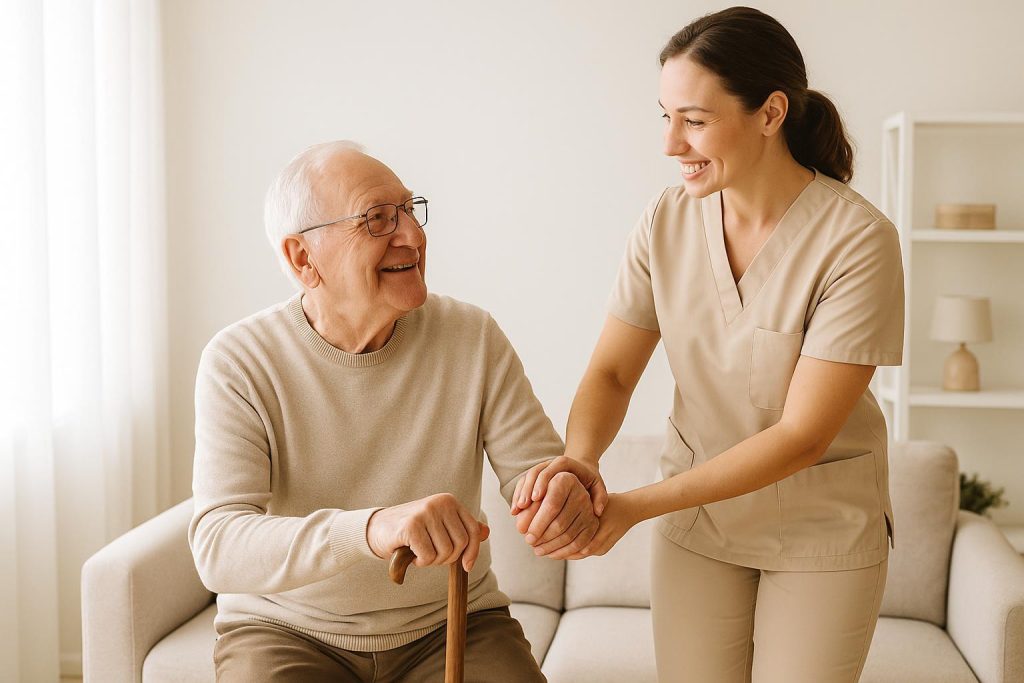
Specialized In-Home Care for Complex Medical Needs
For many families, one of the biggest concerns about receiving support at home is whether caregivers can handle complex or advanced medical needs. The good news is that specialized in-home care is widely available, enabling individuals with serious illnesses, chronic conditions, or post-surgical requirements to remain safely in the place they call home. By entrusting trained and knowledgeable caregivers who partner with healthcare professionals, families can feel reassured that high-quality, consistent, and respectful support is possible without uprooting a person’s daily life.
Why Specialized Training Matters
Specialized training gives caregivers the skills to address a range of medical challenges while placing dignity and independence at the forefront. These caregivers often receive advanced instruction beyond basic home care, equipping them to handle tasks such as:
- Medication Administration Assistance: They can help individuals remain on schedule, follow prescription plans, and watch for potential side effects under the guidance of a registered nurse or physician.
- Use and Maintenance of Adaptive Equipment: Many people who require complex medical assistance rely on ventilators, feeding tubes, or specialized mobility aids. Skilled caregivers are trained to support individuals who use these devices and ensure they are operated correctly for safety and comfort.
- Symptom Monitoring and Documentation: Regularly checking for concerning symptoms is crucial when managing chronic illnesses, post-surgical recovery, or other conditions. By monitoring vitals and overall well-being, specialized caregivers can quickly alert family members or medical personnel to any changes.
- Recognizing Warning Signs: An experienced caregiver who has worked with complex conditions can often spot early signs of complications. This vigilance is vital for preventing hospital readmissions and ensuring an individual receives timely medical attention when needed.
A caregiver who has undergone specialized training blends clinical knowledge with a compassionate, personalized approach. This blend helps foster a positive, empowering atmosphere in the home, allowing individuals to preserve their sense of independence and dignity even when facing medical challenges.
Common Complex Conditions Requiring Specialized Care
People may need specialized in-home care for a variety of reasons, including:
- After Major Medical Procedures: Individuals who return home post-surgery may benefit from extra support. Caregivers trained in handling wound dressings, monitoring pain levels, and spotting infection risks help make the healing process smoother.
- Chronic Heart and Lung Conditions: Heart disease or chronic obstructive pulmonary disease (COPD) often requires monitoring of oxygen levels, respiratory treatments, and close attention to symptom changes. Skilled caregivers play an integral role in helping maintain a stable environment.
- Neurological Disorders: Conditions like Parkinson’s disease, multiple sclerosis, or ALS (amyotrophic lateral sclerosis) demand a high level of expertise. Certified caregivers may assist with daily exercises, positioning techniques, and communication strategies to ease daily challenges.
- Cognitive Impairments or Dementia: While not always classified as a medical condition requiring advanced nursing, dementia can still benefit from specialized approaches. Techniques for communication, stress reduction, and memory support are invaluable in preserving quality of life for individuals with cognitive decline.
- Post-Stroke Care: Recovering from a stroke may mean individuals need help re-learning certain tasks or adjusting to a new physical reality. Caregivers with specialized training can assist with mobility exercises, safe transfers, and strategies that promote independence during stroke recovery.
Regardless of the specific condition, properly trained caregivers adapt to the individual’s routines, personality, and medical directives. They understand that each person is unique and that care plans must be customized, offering both consistency and flexibility as needs change.
Role of the Caregiver in Managing Complex Needs
A caregiver’s main objective is to create a supportive environment that respects personal choice, fosters dignity, and protects health. This includes crucial tasks such as:
- Safe Personal Care: Mobility limitations or specialized medical devices can make everyday tasks more complex. Skilled caregivers provide Personal Care assistance with bathing, dressing, grooming, and incontinence support without sacrificing an individual’s comfort or sense of control.
- Monitoring Meals and Nutrition: Some complex conditions call for specific diets or feeding protocols, such as dietary restrictions after certain surgeries. Caregivers are trained to prepare and serve meals in line with these guidelines, ensuring proper nutrition and helping maintain health.
- Support with Therapies: Many individuals undergo outpatient physical, occupational, or speech therapy after facing medical setbacks. A trained caregiver can remind someone of therapy exercises, support them through daily routines, and offer encouragement to stay consistent.
- Medication Reminders: Adhering to medication schedules can make a significant difference in long-term outcomes. Specialized caregivers keep track of daily doses, ensuring that individuals avoid missed or duplicated medications.
- Household Assistance: Tasks like laundry, cleaning, and grocery shopping can be exhausting or risky for people with advanced medical needs. Caregivers skilled in Home Support keep the environment orderly and safe, reducing preventable hazards.
By blending these responsibilities with open communication, specialized caregivers help individuals maintain their usual lifestyle to the greatest extent possible. When mobility or energy levels vary day to day, caregivers adapt and focus on offering practical, respectful support at every stage.
Collaboration with Healthcare Professionals
Caring for someone with complex medical needs is rarely a solo effort. Registered nurses, physical therapists, pharmacists, and doctors often contribute to the individual’s overall plan of care. In these situations, a specialized caregiver coordinates closely with all involved professionals to ensure that daily tasks align with medical advice. This coordination can include:
- Routine Check-Ins: A caregiver might share updates with a nurse or physician about any new symptoms, mobility changes, or side effects.
- Care Plan Adjustments: If a therapist suggests more frequent practice of certain exercises, the caregiver can incorporate those activities into the daily routine. Making small modifications right away helps maintain consistency in care.
- Planning Follow-Up Appointments: Specialized caregivers offer logistical support for scheduling doctor visits, ensuring transportation is organized and individuals attend critical medical checkups.
Through this team-based approach, caregivers function as the eyes and ears for the extended care team. Their consistent presence in the home provides valuable insights that can inform treatment plans and help prevent complications.
The Benefits of Receiving Specialized Home Care
Opting for in-home specialized care goes far beyond convenience. In many cases, being in a familiar environment benefits emotional well-being, fosters stronger confidence, and can reduce hospital readmissions. Additional advantages include:
- Greater Independence: Receiving help at home, rather than moving to a healthcare facility, allows individuals to keep many of their daily routines in place. From a favorite chair to morning coffee rituals, these small elements of everyday life support comfort and dignity.
- Flexibility in Scheduling: Specialized care can be arranged on a schedule that fits the person’s condition and the family’s needs. Whether someone needs 24/7 oversight or extra support for a few hours a day, custom scheduling is possible.
- Personalized Relationships: Spending time with one dedicated caregiver or a small, consistent team builds trust. Over time, the caregiver learns the person’s favorite activities, communication style, and subtle changes in mood—a level of attentiveness often harder to achieve in a busy facility.
- Emphasis on Dignity: One of the cornerstones of quality in-home care is preserving personal choice. Caregivers who specialize in complex cases know how to handle medical issues delicately, while allowing individuals to lead as much of their routine as possible without feeling dependent or powerless.
This holistic approach to care incorporates both technical expertise and compassionate support. The goal is not only to address medical needs but also to encourage a sense of accomplishment and self-direction at every step.
When to Consider Specialized Care
Families often wonder when it is the right time to seek a caregiver with specialized training. While it ultimately depends on each person’s unique situation, some signals include:
- Increasing frequency of doctor visits or hospital stays.
- A recent surgery that requires in-home rehabilitation and precise medication schedules.
- Progressive conditions, such as heart disease or neurological disorders, that need ongoing daily support.
- Challenges with daily tasks like getting in and out of bed, safely using the restroom, or monitoring complex medication regimens.
- Care needs that exceed what family members can realistically provide due to work, distance, or personal commitments.
If you notice these signs, discussing specialized in-home care can give you clarity and peace of mind. Even starting with a few hours a week can make a significant difference in maintaining a stable routine.
Creating a Personalized Plan of Care
When families reach out for specialized home care services, the process usually starts with an in-depth consultation or assessment. This step gives care coordinators and nurses the chance to learn about a person’s health history, current limitations, personal preferences, and goals for the future. With this information—often gathered in collaboration with doctors, therapists, or social workers—a comprehensive plan can be created. Key elements of developing this plan might include:
- Goal Setting: Care teams work with individuals to define objectives. These goals can range from improving mobility and strength to supporting independent daily living.
- Stakeholder Input: Family members, healthcare providers, and the individual themselves are all essential contributors. Each has a valuable perspective on what the care plan should look like.
- Flexible Scheduling: Because medical conditions can wax and wane, it is important to build in flexibility. The number of hours or tasks may need adjusting over time, and the best care plan anticipates that.
- Regular Evaluation: It is not enough to create a plan once and never look at it again. Continuous evaluations ensure the plan remains current and effective.
Through an organized, respectful partnership, specialized caregivers empower individuals to live life on their own terms—safely and comfortably at home.
The Impact on Families
Family members often act as caregivers themselves to loved ones with complex needs. However, juggling work, personal responsibilities, and advanced caregiving tasks can become overwhelming. Hiring a specialized caregiver provides relief, helps prevent burnout, and allows families to spend more meaningful time together instead of being burdened by stressful medical tasks. In addition, professional support can ease worries about accidents and other potential emergencies. Knowing a trained caregiver is present fosters peace of mind, even when other family members are not available 24/7.
Should you need support while balancing your own responsibilities, consider exploring Respite Care services, designed to offer short-term breaks to family caregivers. This option ensures continuity of care and provides the space for loved ones to rest, recharge, and maintain their own health.
How Specialized Care Benefits Emotional Well-Being
Medical appointments, medication schedules, and changes in routine can take an emotional toll on anyone. Specialized caregivers help create a calmer environment by offering reassurance and consistent attention to details that matter. They can provide encouraging words, help with relaxation techniques if recommended by health professionals, and offer companionship. The emotional bond formed when a caregiver truly understands someone’s condition, preferences, and fears can be a key factor in improving mood and preventing feelings of isolation.
By focusing on preserving dignity, independence, and quality of life, caregivers promote a more positive outlook. This leads not only to a better experience for the individual but also for the wider family, who can see their loved one thriving at home with proper support.
Coordinating Skincare, Hygiene, and Mobility
Many chronic conditions, including diabetes and heart disease, increase the risk of skin issues or infections. Specialized caregivers pay close attention to skincare and hygiene routines, using recommended products and techniques that minimize discomfort or concerns. Furthermore, caregivers evaluate the living space to reduce fall hazards, making simple adaptations to enhance mobility. If advanced interventions are needed, they will consult with a nurse who can provide further guidance.
This vigilance around day-to-day details plays a huge part in reducing complications that can result from lack of consistent, trained oversight. By keeping lines of communication open and acting on small changes right away, caregivers prevent problems from growing into crises.
Working with Skilled Nurses and Therapists
If an individual’s situation requires more intensive clinical care, families can explore Nursing Care options. Skilled nurses can assist with tasks like wound care, injections, IV setup, or advanced monitoring. Working hand in hand with certified nursing staff or visiting therapists, caregivers amplify the support network that helps people remain at home. This model, often called a continuum of care, ensures that no aspect of a person’s on-going medical needs is overlooked. Instead, each professional—be it the caregiver, nurse, therapist, or other specialist—brings unique expertise, forming a unified, holistic team.
Ensuring Peace of Mind
One of the greatest advantages of specialized home care is the reassuring knowledge that your loved one is in safe, capable hands. Trained caregivers are not merely performing tasks; they are building relationships and fine-tuning the environment to support each person’s needs. Over time, this helps promote confidence and reduces stress, leading to a stable and productive atmosphere at home.
For individuals who want to maintain an active lifestyle, specialized caregivers can also assist with social outings, transportation to community events, or walks around the neighborhood. Mobility assistance combined with a caring presence can transform once-challenging activities into continued opportunities for engagement, friendship, and enjoyment of daily life.
Finding the Right Fit
As families search for specialized care providers, they should look for a strong reputation for safety, accreditation, and a commitment to respectful treatment. It is helpful to ask how caregivers are trained, what medical oversight is available, and how suddenly changing needs are handled. Reading reviews and talking to other families who have used these services can also give valuable insights.
If you are in the process of exploring your options, you may want to discuss your concerns or questions directly with a care coordinator. A reliable provider should not shy away from thorough conversations about training, certifications, and the scope of care provided.
How to Get Started
Choosing the ideal specialized caregiver starts with an open, honest conversation about medical history, daily routines, and any worries you may have. This dialogue helps build a customized care plan that honors personal preference, prioritizes safety, and respects each individual’s desire for independence. Families are encouraged to:
- Share relevant medical documents or medication lists so the care team can create accurate schedules.
- Discuss any emotional or social needs, such as companionship, hobbies, or communication preferences.
- Set clear goals for improvement or maintenance as guided by healthcare professionals.
- Ask about scheduling flexibility in case you later need more or fewer hours of support.
When you are ready to begin, you can typically schedule an in-home assessment or consultation. During this time, care professionals meet with you and your loved one to learn more about the environment, existing support systems, and immediate needs that require attention. From there, an appropriate caregiver is matched, ensuring that the skill set and personality line up well with the individual’s requirements.
Moving Forward with Confidence
For individuals and families living with complex medical circumstances, specialized home care can be a life-changing resource that reduces hospital visits, promotes emotional well-being, and supports a path to living life at home with dignity. Whether someone needs help following a surgery, managing a long-term condition, or simply improving day-to-day comfort, skilled caregivers deliver respectful, consistent, and reliable in-home support. By working within a collaborative care model, everyone involved—family members, caregivers, nurses, and other healthcare providers—works together to ensure greater peace of mind for all.
At any stage of aging or recovery, staying at home does not have to mean compromising on medical needs. With the right specialized training, caregivers can manage everything from complex medication regimens to emotional support, giving families a sense of relief and helping individuals maintain control over their routines. If you are considering professional caregiving services but are unsure how to begin, take the time to reach out and learn more. In many cases, a simple initial conversation is all it takes to discover the many ways specialized home care can enhance health, comfort, and independence.
If you would like to explore services that address advanced, complex care needs in the comfort of home, feel free to contact us. You can also review our other support options, such as Respite Care or Personal Care, to determine which approach best suits your family’s goals. You deserve reliable, trusted home care that empowers your loved one to live with independence, dignity, and security, and specialized caregivers play a critical part in making that a reality.

